Business
Ag-Kunst-Kultur: Where Agriculture, Art, and Culture Converge to Transform Communities

Ag-Kunst-Kultur is an innovative concept that bridges agriculture, art, and culture to transform communities holistically. This approach combines traditional farming practices with creative expression and cultural heritage, fostering sustainable development while promoting community engagement. By integrating these three elements, Ag-Kunst-Kultur creates unique spaces where people can experience local traditions, artistic endeavors, and agricultural innovation simultaneously. The combination not only enriches cultural life but also encourages environmentally friendly practices, stimulates local economies, and strengthens social cohesion. Communities that embrace Ag-Kunst-Kultur often witness an increase in tourism, local entrepreneurship, and cultural preservation, demonstrating that agriculture and creativity can coexist in meaningful ways.
The Origins of Ag-Kunst-Kultur
Ag-Kunst-Kultur has its roots in both European community art movements and sustainable agricultural initiatives. Originally inspired by the desire to revitalize rural areas, the concept emerged as a solution to declining agricultural communities struggling with economic and social challenges. Artists and cultural organizations collaborated with farmers to integrate artistic installations, workshops, and cultural events into agricultural settings. This innovative model highlighted the potential for blending creative activities with everyday farming life, encouraging new forms of community participation. Ag-Kunst-Kultur demonstrates that rural spaces can be transformed into vibrant cultural hubs without compromising agricultural productivity.
How Ag-Kunst-Kultur Connects Agriculture and Art
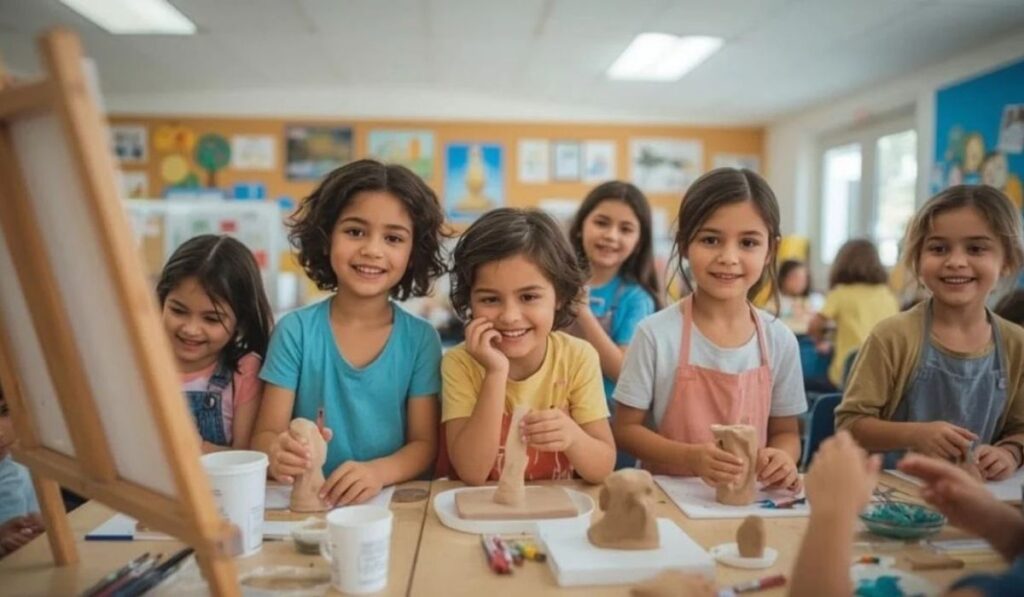
At the core of Ag-Kunst-Kultur is the seamless connection between agriculture and art. Agricultural landscapes serve as a canvas for creative expression, allowing artists to create installations that reflect local heritage and natural beauty. Farmers benefit from this collaboration as it attracts visitors, boosts local awareness of sustainable practices, and generates additional revenue streams. Ag-Kunst-Kultur projects often include interactive art exhibitions, farm-to-table experiences, and participatory workshops where visitors learn about both farming and artistic techniques. This connection transforms the perception of rural areas, showcasing them as spaces of creativity, innovation, and cultural richness.
The Cultural Impact of Ag-Kunst-Kultur
Ag-Kunst-Kultur is more than an artistic or agricultural initiative; it is a powerful tool for cultural preservation. By incorporating local traditions, folklore, and heritage into projects, communities can maintain their identity while adapting to modern trends. Festivals, performances, and exhibitions under the Ag-Kunst-Kultur framework celebrate the unique history and values of rural areas, ensuring that cultural knowledge is passed down through generations. Moreover, Ag-Kunst-Kultur creates opportunities for cross-cultural exchange, allowing urban visitors, tourists, and international artists to engage with rural communities in meaningful ways. This cultural impact strengthens social bonds and fosters mutual understanding between diverse groups.
Environmental Benefits of Ag-Kunst-Kultur

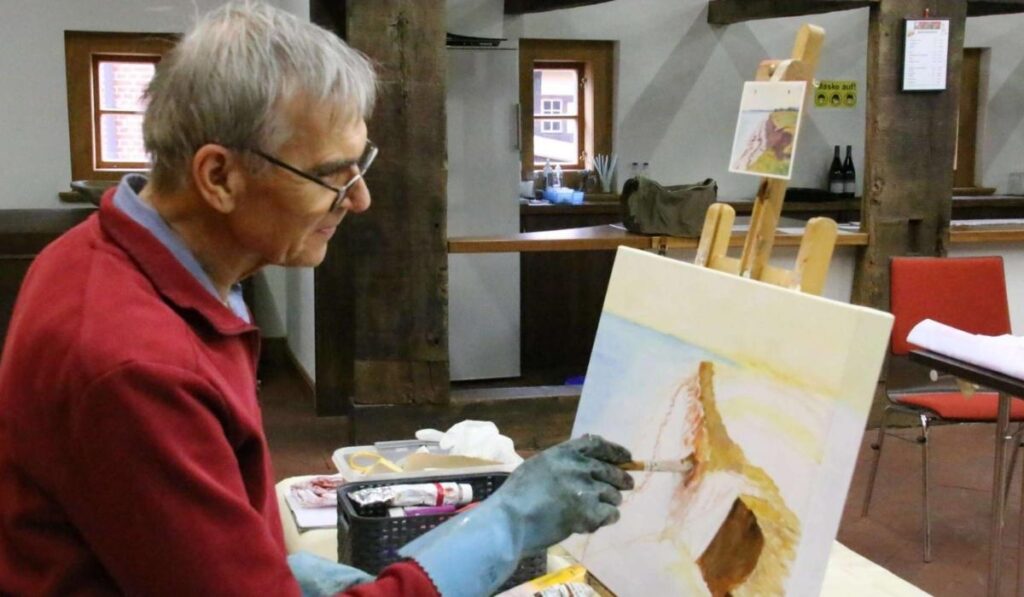
One of the most significant advantages of Ag-Kunst-Kultur lies in its environmental impact. By promoting sustainable farming techniques alongside art projects, communities learn to value ecological conservation. Farms involved in Ag-Kunst-Kultur often adopt organic practices, crop rotation, and soil preservation measures. Artistic installations can also raise awareness about environmental issues, such as climate change, biodiversity, and water conservation. Visitors to these projects gain firsthand experience of sustainable practices, making Ag-Kunst-Kultur an educational tool as well as a cultural and artistic initiative. This approach demonstrates that environmental stewardship can coexist with economic and cultural development.
Economic Opportunities Created by Ag-Kunst-Kultur
Ag-Kunst-Kultur generates economic opportunities in multiple ways. Local farmers can diversify their income by hosting workshops, selling artisanal products, and offering farm-based tourism experiences. Artists benefit from commissions, exhibition opportunities, and collaboration with agricultural enterprises. Communities, in turn, experience increased tourism, which supports local businesses such as restaurants, accommodations, and retail shops. By combining agriculture, art, and culture, Ag-Kunst-Kultur provides a sustainable economic model that benefits all stakeholders while maintaining ecological balance. The model is particularly valuable for rural regions seeking to revitalize their economies without sacrificing cultural and environmental integrity.
Community Engagement and Social Transformation

Ag-Kunst-Kultur thrives on active community participation. Residents often play central roles in project planning, execution, and cultural programming. This participatory approach empowers local populations, encourages skill-sharing, and fosters pride in community achievements. Children, youth, and older generations are equally involved, bridging generational gaps through shared creative and agricultural activities. Social cohesion improves as people collaborate on art projects, cultural festivals, and farm-based initiatives. Ag-Kunst-Kultur not only transforms physical spaces but also strengthens the social fabric, creating resilient communities that are more capable of adapting to economic and environmental challenges.
Education and Knowledge Sharing in Ag-Kunst-Kultur
Education is a key component of Ag-Kunst-Kultur. Workshops, training programs, and hands-on experiences provide learning opportunities for both residents and visitors. Participants gain practical knowledge of sustainable farming, artistic techniques, and cultural history. Schools and universities increasingly collaborate with Ag-Kunst-Kultur projects, using them as living laboratories for experiential learning. By combining education with practical application, Ag-Kunst-Kultur helps develop a new generation of culturally aware, environmentally responsible, and creatively skilled individuals. This approach ensures that knowledge and skills are preserved while inspiring innovation and experimentation.
Technological Integration in Ag-Kunst-Kultur
While rooted in tradition, Ag-Kunst-Kultur also embraces modern technology. Digital tools, social media, and virtual platforms enable wider audiences to engage with projects remotely. Agricultural innovations, such as precision farming, sensor-based irrigation, and renewable energy integration, enhance sustainability and efficiency. Artistic elements can include multimedia installations, augmented reality experiences, and interactive digital exhibits. By blending technology with agriculture and culture, Ag-Kunst-Kultur demonstrates that rural communities can remain relevant in the digital age while maintaining authenticity and ecological awareness. This integration broadens reach, enhances engagement, and increases overall impact.
Future Prospects of Ag-Kunst-Kultur
The future of Ag-Kunst-Kultur looks promising as more communities recognize the benefits of combining agriculture, art, and culture. Expansion into urban-rural partnerships, cross-border collaborations, and global networks is becoming more common. Governments, NGOs, and private investors increasingly support Ag-Kunst-Kultur initiatives due to their ability to promote sustainability, tourism, and cultural preservation simultaneously. The model can adapt to different climates, agricultural practices, and cultural contexts, making it highly versatile. With continued innovation and community-driven participation, Ag-Kunst-Kultur is poised to transform rural and semi-urban landscapes worldwide, creating thriving, culturally vibrant, and environmentally sustainable communities.
Conclusion
Ag-Kunst-Kultur exemplifies how agriculture, art, and culture can converge to create positive social, economic, and environmental change. By fostering collaboration between farmers, artists, and community members, this concept strengthens cultural identity, encourages sustainable practices, and stimulates local economies. Communities that adopt Ag-Kunst-Kultur experience revitalization, social cohesion, and increased engagement from visitors and residents alike. As a model for future development, Ag-Kunst-Kultur proves that integrating creativity with agriculture is not only possible but essential for sustainable, inclusive, and culturally rich communities.
Frequently Asked Questions
1. What is Ag-Kunst-Kultur?
- It is a concept that combines agriculture, art, and culture to transform communities.
2. How does Ag-Kunst-Kultur benefit communities?
- It strengthens social cohesion, boosts local economy, and promotes sustainable practices.
3. Can urban areas implement Ag-Kunst-Kultur?
- Yes, urban-rural collaborations and creative urban farming can apply the model.
4. What kind of projects are part of Ag-Kunst-Kultur?
- Projects include art installations on farms, cultural festivals, workshops, and farm tours.
5. Is Ag-Kunst-Kultur environmentally friendly?
- Yes, it promotes organic farming, soil conservation, and ecological awareness.