Business
Bardoek Explained: From Traditional Roots to Today

Bardoek is a concept that has intrigued historians, cultural scholars, and enthusiasts alike. Its origins trace back centuries, rooted in ancient traditions that sought to explain complex social and spiritual phenomena. Initially, Bardoek was not merely a practice but a philosophy, deeply embedded in the daily lives of communities. Its early significance was often associated with rituals, cultural storytelling, and symbolic representations of societal values. People used Bardoek as a way to convey wisdom across generations, passing knowledge through oral traditions and practical demonstrations. In this way, Bardoek was more than a word—it was an experience, a shared understanding of life and human interaction.
Historical Origins of Bardoek
As civilizations evolved, Bardoek began to take on multiple forms. Scholars have noted that in some regions, Bardoek was intertwined with governance and law, influencing decisions that affected entire communities. The practices surrounding Bardoek reflected the values and priorities of the society at the time. Observing these practices today provides insights into how early societies balanced social cohesion with individual responsibility. The evolution of Bardoek demonstrates that it was never static; instead, it adapted to the cultural, economic, and spiritual needs of the people, ensuring its survival through changing eras.
Bardoek in Education

During its historical development, Bardoek also played a significant role in education and knowledge dissemination. Traditional teachers used Bardoek techniques to engage students, combining storytelling, hands-on experiences, and mentorship. This approach made learning holistic and immersive, emphasizing the importance of understanding context and meaning rather than rote memorization. Today, modern educators recognize the value of these principles, incorporating aspects of Bardoek-inspired methodologies in classrooms and workshops to encourage critical thinking and creativity. The adaptability of Bardoek principles in education highlights its enduring relevance.
Spiritual Significance of Bardoek
The spiritual dimensions of Bardoek cannot be overlooked. Many communities historically viewed Bardoek as a bridge between the tangible and intangible, helping individuals connect with both their inner selves and the larger universe. Rituals, ceremonies, and reflective practices formed an essential part of Bardoek traditions, offering guidance and insight into human behavior and purpose. Even in contemporary settings, spiritual practitioners draw upon the essence of Bardoek to create frameworks for personal growth, mindfulness, and ethical decision-making. This spiritual continuity underscores the timeless nature of Bardoek.
Bardoek in Arts and Culture


Bardoek also had a profound impact on arts and culture. Its symbolism appeared in music, literature, visual arts, and performance, enriching the aesthetic dimensions of human experience. Artists often incorporated Bardoek motifs to convey themes of balance, harmony, and transformation. The cultural imprint of Bardoek can still be observed in modern artistic expressions, where creators reinterpret traditional elements for contemporary audiences. By bridging past and present, Bardoek continues to inspire and challenge perceptions, fostering creativity and innovation across disciplines.
Social Implications of Bardoek
Socially, Bardoek served as a framework for communal interaction and ethical conduct. It promoted values such as cooperation, empathy, and mutual respect, which were critical for maintaining harmony within communities. Anthropologists note that societies practicing Bardoek were able to develop intricate systems of social governance, conflict resolution, and collective responsibility. These principles, embedded in the fabric of daily life, allowed communities to thrive even amidst environmental and political challenges. Modern interpretations of Bardoek still emphasize these social values, illustrating the universal relevance of its teachings.
Economic Influence of Bardoek

Economically, Bardoek influenced trade, craftsmanship, and resource management. Historical records show that communities practicing Bardoek prioritized sustainability, equitable distribution, and skill development. Craftspeople, merchants, and laborers integrated Bardoek principles into their work ethics and business practices, ensuring long-term prosperity and community welfare. Today, the economic insights from Bardoek can inform modern approaches to sustainable development, ethical trade, and community-centered entrepreneurship, demonstrating the practical applications of traditional wisdom in contemporary contexts.
Bardoek in the Modern World
In the modern world, Bardoek has undergone significant reinterpretation. While the core principles remain intact, contemporary society has adapted Bardoek to suit technological, social, and globalized environments. Digital platforms, social networks, and online communities have embraced aspects of Bardoek, using its values to foster collaboration, ethical communication, and shared learning. The adaptability of Bardoek ensures that it remains relevant, bridging the gap between historical wisdom and present-day innovation. This ongoing evolution highlights the resilience and universality of Bardoek concepts.
Comprehensive Understanding of Bardoek
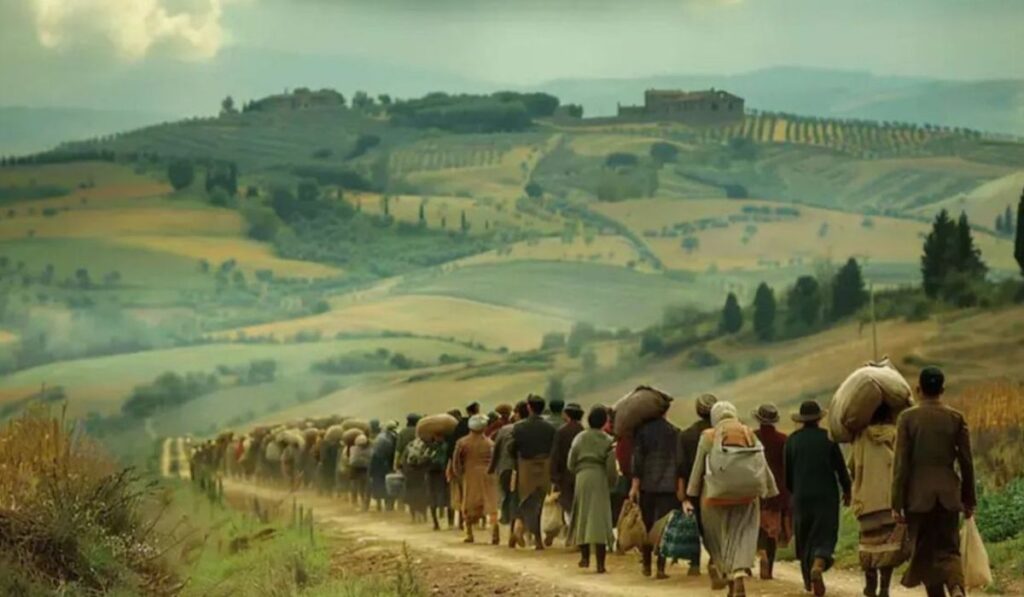
Education, art, spirituality, social structure, and economic life collectively showcase the multifaceted nature of Bardoek. By exploring its diverse applications, one gains a comprehensive understanding of how Bardoek shaped human civilization and continues to influence modern thought. Its interdisciplinary relevance makes Bardoek a valuable subject for researchers, educators, and cultural enthusiasts alike. Recognizing Bardoek as a living tradition allows for continuous reinterpretation, ensuring its principles guide future generations in meaningful ways.
Preserving and Applying Bardoek Today
Finally, the study of Bardoek emphasizes the importance of preserving cultural heritage while embracing progress. Its traditional roots provide a rich source of knowledge and ethical guidance, while its modern applications demonstrate flexibility and innovation. By engaging with Bardoek thoughtfully, individuals and communities can draw lessons on resilience, creativity, and ethical living. The enduring significance of Bardoek lies in its ability to connect past, present, and future, offering insights that are both timeless and practical for a rapidly changing world.
Frequently Asked Questions about Bardoek
1. What is Bardoek?
- Bardoek is a traditional concept encompassing cultural, spiritual, and social practices.
2. Where did Bardoek originate?
- Bardoek originated from ancient communities as a framework for life and society.
3. How is Bardoek relevant today?
- Bardoek principles are adapted in education, art, ethics, and social practices today.
4. Can Bardoek influence personal growth?
- Yes, Bardoek provides spiritual and ethical guidance for personal development.
5. Is Bardoek used in modern communities?
- Yes, modern communities integrate Bardoek values in digital, educational, and social contexts.