Celebrity
The Evolution of Billy Beane in Baseball
Billy Beane is a successful former MLB player turned innovative executive known for his data-driven approach to building winning baseball teams.

Billy Beane, the former Major League Baseball player turned front office executive, has had a fascinating journey in the world of baseball. Known for his unconventional approach to player evaluation and team building, Beane has become a revolutionary figure in the sport.
- Beane was a highly touted prospect coming out of high school and was selected in the first round of the MLB draft by the New York Mets in 1980.
- Despite his potential, Beane’s playing career never quite lived up to expectations, as he bounced around several different teams before eventually retiring in 1990.
- However, it was Beane’s transition to a front office role that truly set him apart from his peers.
- As the General Manager of the Oakland Athletics, Beane implemented a data-driven approach to player evaluation, focusing on statistics that were undervalued by traditional scouts.
- This new strategy, famously documented in Michael Lewis’s book “Moneyball,” revolutionized the way that teams evaluated and constructed their rosters.
- Under Beane’s leadership, the A’s found success despite having one of the lowest payrolls in MLB, showcasing his ability to innovate and think outside the box.
Billy Beane’s evolution in baseball has left an indelible mark on the sport, proving that sometimes the most successful path is the one less traveled.
Quick Bio
| Full Name | Billy Beane |
|---|---|
| Known For | Moneyball |
| Nationality | American |
| Profession | Baseball executive |
| Notable Achievements | Revolutionizing baseball scouting and player evaluation |
| Recognition | Numerous awards and accolades for his work in baseball |
Billy Beane’s Impact on the Oakland Athletics
Billy Beane is a name synonymous with innovation in Major League Baseball, especially when it comes to his time with the Oakland Athletics. As the general manager of the A’s, Beane brought a data-driven approach to building a winning team that revolutionized the way baseball front offices operated.
One of Beane’s most notable contributions to the Athletics was his implementation of the sabermetric principles outlined in Michael Lewis’ book, Moneyball. By focusing on statistics like on-base percentage and slugging percentage rather than traditional metrics like batting average and RBI, Beane was able to assemble competitive teams on a limited budget.
Under Beane’s leadership, the Athletics consistently outperformed expectations and punched above their financial weight. Despite operating in a market with one of the lowest payrolls in baseball, the A’s made the playoffs multiple times under Beane’s tenure and became known for finding undervalued talent that other teams overlooked.
Beane’s impact on the Oakland Athletics extended far beyond just wins and losses. He showed that data analysis and a willingness to think outside the box could level the playing field in a sport dominated by big-market teams with deep pockets. His legacy as a pioneer in the analytics revolution in baseball is cemented in the success he achieved with the A’s and the lasting impact he had on the game as a whole.
Uncovering Billy Beane’s Strategy for Success


Billy Beane, the former General Manager of the Oakland Athletics baseball team, is renowned for his unconventional and data-driven approach to building a winning team. Beane’s strategy for success, which was popularized in Michael Lewis’ book Moneyball, revolutionized the way baseball teams evaluate and acquire players.
Rather than relying on traditional scouting methods and gut instincts, Beane used statistical analysis to identify undervalued players who could help the Athletics compete against teams with much larger budgets. By focusing on key metrics like on-base percentage and slugging percentage, Beane was able to assemble a competitive team at a fraction of the cost of other franchises.
Beane’s approach faced skepticism and resistance from baseball traditionalists, but his results spoke for themselves. The Athletics consistently outperformed their payroll expectations, making playoff appearances and achieving success with a fraction of the budget of teams like the New York Yankees.
One key aspect of Beane’s strategy was his emphasis on exploiting market inefficiencies. By identifying areas where other teams were overlooking valuable players, Beane was able to gain a competitive advantage. This approach not only helped the Athletics compete on the field but also paved the way for a new wave of data-driven decision-making in sports.
Overall, Billy Beane’s strategy for success serves as a testament to the power of innovation and thinking outside the box in the world of sports management. His legacy continues to inspire a new generation of sports executives and analysts to challenge conventional wisdom and find creative ways to achieve success.
Exploring the Mind of Billy Beane
Billy Beane is a fascinating individual to study when it comes to understanding the inner workings of a sports executive’s mind. As the general manager of the Oakland Athletics, Beane gained notoriety for his innovative approach to baseball management, which was highlighted in Michael Lewis’s book, Moneyball.
One key aspect of Beane’s mindset is his willingness to challenge conventional wisdom and think outside the box. Instead of relying solely on traditional scouting methods, Beane emphasized the use of statistical analysis to identify undervalued players and make strategic decisions that would give his team a competitive edge. This approach, which became known as “Moneyball,” revolutionized the way baseball teams evaluate talent and make roster decisions.
Despite facing skepticism and criticism from others in the baseball world, Beane remained steadfast in his beliefs and ultimately found success with the Athletics. His ability to stay true to his vision and navigate through challenges speaks to his strong mental fortitude and unwavering determination.
Overall, exploring the mind of Billy Beane offers valuable insights into the power of thinking differently, taking calculated risks, and trusting in one’s abilities to bring about change in a traditional industry. Beane’s story serves as a reminder that innovation and creativity have a place in even the most entrenched of environments.
Billy Beane: A Trailblazer in Sports Analytics
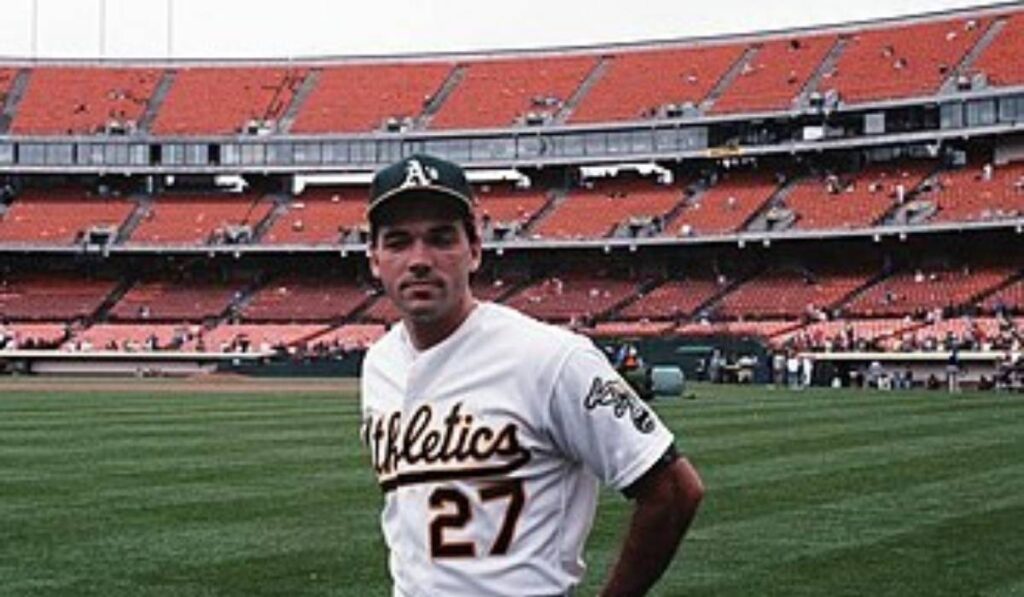
Billy Beane, a former professional baseball player turned general manager, is widely regarded as a trailblazer in the world of sports analytics. Beane is best known for his revolutionary use of statistical analysis to evaluate players and make strategic decisions for the Oakland Athletics. His innovative approach, chronicled in Michael Lewis’ book “Moneyball” and later adapted into a hit film starring Brad Pitt, challenged conventional wisdom in baseball and forever changed the way the game is managed.
Beane’s use of sabermetrics, a data-driven approach to baseball analysis, allowed him to identify undervalued players and assemble competitive teams on a limited budget. This method not only led the Athletics to multiple playoff appearances but also inspired a new era of analytics in sports management across various disciplines.
One of Beane’s most remarkable achievements was the Athletics’ historic 20-game winning streak during the 2002 season, a feat that showcased the power of data-driven decision-making in a traditionally gut-feel industry. By prioritizing statistics and objective metrics over subjective evaluations, Beane demonstrated the potential for innovation and success in sports through a more scientific lens.
Overall, Billy Beane’s impact as a trailblazer in sports analytics extends far beyond the baseball field, influencing how organizations across different sports leverage data and technology to gain a competitive edge. His legacy serves as a testament to the transformative power of analytics in shaping the future of sports management.
The Legacy of Billy Beane in Major League Baseball
One of the most influential figures in Major League Baseball in recent decades, Billy Beane made a lasting impact on the game both on and off the field. As the general manager of the Oakland Athletics from 1997 to 2015, Beane revolutionized the way baseball teams evaluate and build their rosters. His innovative use of sabermetrics, or advanced statistical analysis, helped the small-market A’s compete with big-budget teams despite a limited payroll.
Beane’s approach, chronicled in Michael Lewis’ book “Moneyball” and the subsequent film adaptation starring Brad Pitt, emphasized the importance of on-base percentage and undervalued players. By focusing on players who could get on base and produce runs efficiently, Beane was able to assemble competitive teams on a shoestring budget. This strategy not only transformed the way teams evaluated talent but also forced the rest of the league to adapt to a more data-driven approach.
Aside from his impact on the field, Beane’s legacy extends beyond the baseball diamond. His success with the Athletics inspired other teams to embrace analytics and think outside the box when it comes to roster construction. Beane’s influence can be seen in the increasing use of data analysis and the emphasis on efficiency and value in player acquisition across the league. While he may no longer be a general manager, Billy Beane’s legacy continues to shape the way baseball is played and managed today.
The Genius Behind Billy Beane’s Baseball Philosophy
Billy Beane, the former professional baseball player turned front office executive, is widely recognized for his innovative approach to building successful teams in Major League Baseball. Beane’s baseball philosophy, famously portrayed in the book and film Moneyball, emphasizes the use of advanced statistics and analytics to identify undervalued players and build competitive teams on a limited budget.
One key aspect of Beane’s philosophy is his focus on on-base percentage rather than traditional statistics like batting average or home runs. By targeting players with high on-base percentage, Beane has been able to assemble teams that consistently outperform expectations. This approach has not only revolutionized the way teams evaluate and acquire talent but has also led to sustained success for the Oakland Athletics, the team Beane has been the general manager of since 1997.
Beane’s ability to think outside the box and challenge conventional wisdom has made him a trailblazer in the world of baseball management. His willingness to embrace new technologies and methodologies has set him apart from his peers and earned him a reputation as a visionary in the industry. Despite facing skepticism and resistance from traditionalists, Beane’s results speak for themselves, with the success of the Athletics serving as a testament to the effectiveness of his approach.
Overall, Billy Beane’s baseball philosophy is a testament to the power of innovation and creativity in sports management. By prioritizing data-driven decision-making and focusing on undervalued assets, Beane has achieved remarkable success and cemented his legacy as one of the most influential figures in modern baseball history.
Billy Beane’s Influence on Modern Baseball Strategies
Billy Beane, a former professional baseball player turned front office executive, has had a significant impact on modern baseball strategies. Beane, who currently serves as the executive vice president of the Oakland Athletics, rose to prominence for his innovative approach to building a competitive team on a limited budget. His use of sabermetrics, a data-driven methodology for evaluating players, has revolutionized the way teams assess player performance and make roster decisions.
One of the key components of Beane’s influence on modern baseball strategies is his emphasis on undervalued statistics. While traditional baseball wisdom focused on batting average, runs batted in, and other traditional metrics, Beane looked at on-base percentage and slugging percentage as better indicators of a player’s offensive value. This shift in thinking led to Beane assembling successful teams with lower payroll budgets compared to many of his competitors.
Another aspect of Beane’s influence is his focus on finding inefficiencies in the market for player talent. By identifying skills or metrics that were undervalued by other teams, Beane was able to acquire talented players at a lower cost, giving the Athletics a competitive advantage. This approach, immortalized in the book and film “Moneyball,” has since been adopted by many other teams in Major League Baseball.
Overall, Billy Beane’s impact on modern baseball strategies can be seen in the increased emphasis on data analysis, efficiency in player acquisition, and a shift towards valuing different statistics. His legacy continues to shape the way teams approach building their rosters and competing in a constantly evolving sport.
Frequently Asked Questions
1. Who is Billy Beane?
Billy Beane is a former professional baseball player and current executive vice president of baseball operations for the Oakland Athletics.
2. What is Billy Beane known for?
Billy Beane is known for revolutionizing the way baseball teams evaluate and acquire players through the use of sabermetrics and data analytics, as popularized in the book and film “Moneyball.”
3. What accomplishments has Billy Beane achieved in his career?
Billy Beane has led the Oakland Athletics to multiple playoff appearances and has been named Major League Baseball’s Executive of the Year multiple times.
4. How has Billy Beane influenced the baseball industry?
Billy Beane’s innovative methods of player evaluation and team management have had a profound impact on how baseball teams operate, with many adopting similar strategies to improve their own success.
5. What is Billy Beane’s current role with the Oakland Athletics?
Billy Beane currently serves as the executive vice president of baseball operations for the Oakland Athletics, overseeing player personnel decisions and team strategy.
Read More at Wikinews