Tech
Electronic Vision Technology: A Simple Breakdown for Everyday Users

Electronic Vision is an innovative technology designed to replicate, enhance, or analyze human sight using electronic devices. It bridges the gap between human perception and machine intelligence, allowing systems to interpret visual data in ways previously limited to human eyes. This technology has evolved rapidly in recent years, moving from basic imaging systems to complex applications that integrate artificial intelligence, deep learning, and sensor fusion. Its impact is now visible across various industries, ranging from healthcare and automotive sectors to entertainment and home devices. For everyday users, understanding Electronic Vision can reveal how these technologies improve safety, productivity, and accessibility in daily life.
The Science Behind Electronic Vision
At the core of Electronic Vision are sensors, cameras, and processors that work together to capture, analyze, and display visual information. Cameras act as electronic eyes, detecting light, color, and motion, while sensors gather supplementary data such as depth and orientation. The real intelligence comes from processing units that interpret this data using sophisticated algorithms. Artificial intelligence enhances this capability by identifying patterns, recognizing objects, and even predicting movements. Unlike conventional cameras that only record images, Electronic systems can transform visual information into actionable insights, which is particularly useful for tasks requiring precision and speed.
Everyday Applications of Electronic Vision

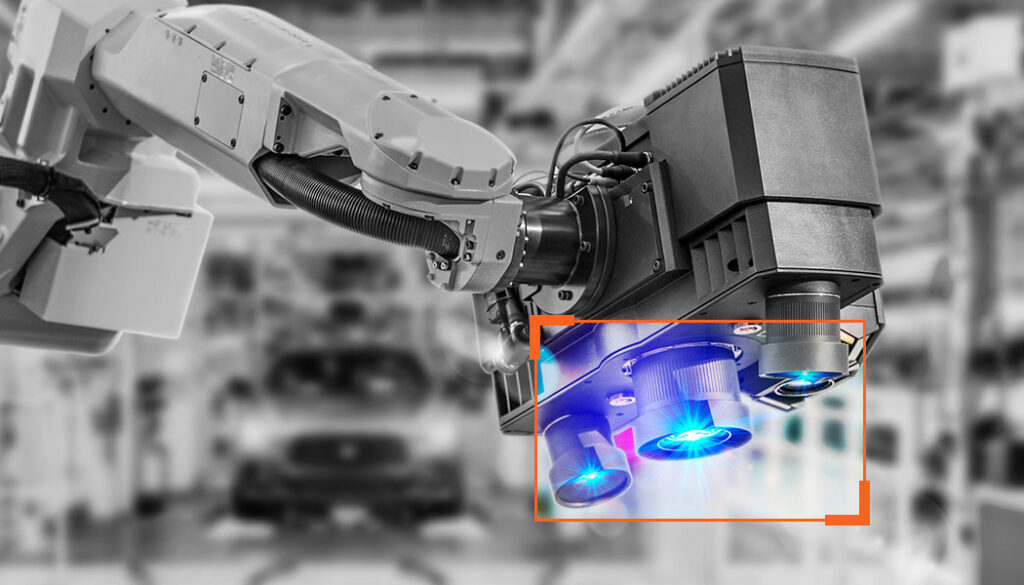
Electronic Vision has found its way into multiple applications that affect daily life in subtle yet significant ways. In healthcare, for instance, Electronic is used in diagnostic imaging, surgical guidance, and patient monitoring systems. In the automotive industry, advanced driver-assistance systems (ADAS) rely on Electronic to detect pedestrians, lane markings, and obstacles, enhancing safety on the road. Home security systems use these technologies to detect unusual movements and alert homeowners instantly. Even in entertainment, Electronic contributes to augmented reality experiences, allowing interactive games and apps to respond to real-world movements accurately. These applications illustrate how Electronic has become an indispensable part of modern life.
Electronic Vision in Healthcare
Healthcare is one of the most impactful areas for Electronic Vision. Imaging technologies such as MRI, CT scans, and digital X-rays rely on precise visual data interpretation. With Electronic, doctors can detect abnormalities faster and more accurately, improving diagnosis and treatment. Surgical robots equipped with Electronic provide surgeons with enhanced visualization of delicate procedures, reducing risks and improving patient outcomes. Additionally, wearable devices use vision-based systems to monitor vital signs and detect potential health issues, allowing timely medical intervention. The integration of Electronic in healthcare is reshaping the way medical professionals understand and respond to patient needs.
Enhancing Safety with Electronic Vision

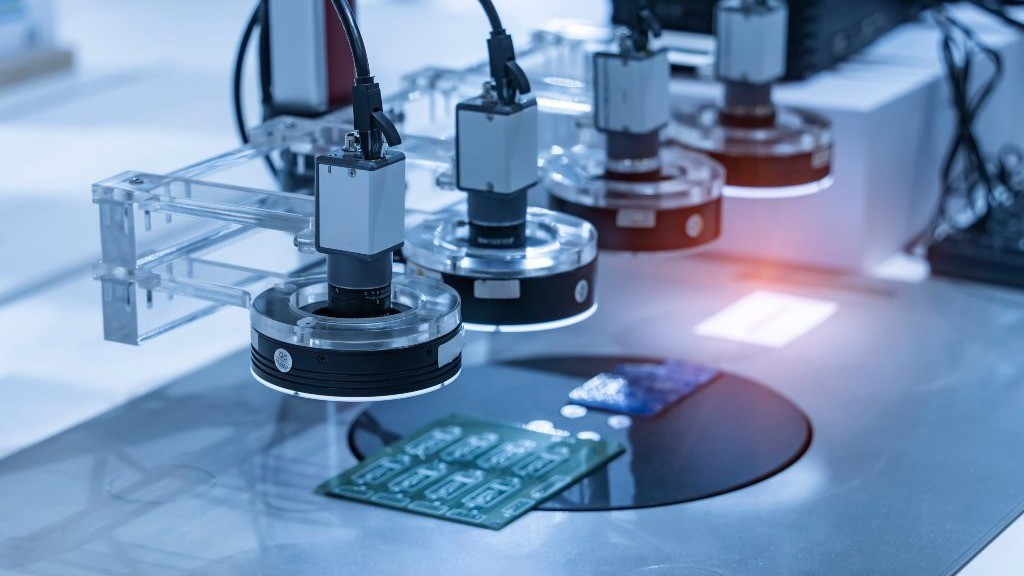
Safety is another domain where Electronic Vision plays a critical role. Advanced driver-assistance systems in vehicles use cameras and sensors to monitor the environment, alert drivers to hazards, and even take corrective actions such as braking or steering adjustments. In industrial environments, Electronic helps monitor machinery, detect potential malfunctions, and ensure workplace safety. Security systems also benefit, as cameras equipped with vision processing can identify unauthorized access, track intruders, and provide real-time alerts. By providing enhanced situational awareness, Electronic Vsion helps prevent accidents and protects both people and property.
The Role of Artificial Intelligence in Electronic Vision
Artificial intelligence is central to the effectiveness of Electronic Vision. Machine learning algorithms enable systems to recognize objects, detect patterns, and adapt to changing environments. For example, AI-powered Electronic in autonomous vehicles allows cars to navigate complex traffic situations by recognizing other vehicles, pedestrians, and traffic signals. Similarly, in retail, Electronic systems can analyze customer behavior, track product interactions, and optimize store layouts. The integration of AI ensures that Electronic systems do not just see the world—they understand it, which significantly expands the technology’s potential applications.
Electronic Vision in Consumer Electronics
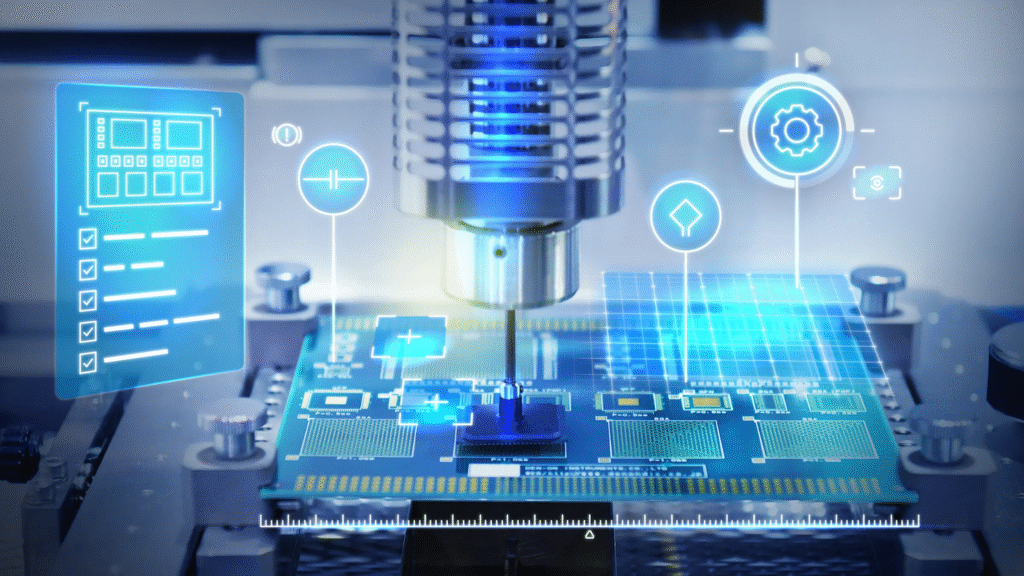
Consumer electronics have embraced Electronic Vision to improve user experience. Smartphones and cameras now use vision systems for facial recognition, augmented reality features, and image stabilization. Smart home devices rely on Electronic to automate lighting, security, and environmental monitoring based on user presence. Gaming consoles and virtual reality systems use these technologies to track player movements and provide immersive experiences. By embedding Electronic into everyday gadgets, technology companies are making life more convenient, interactive, and secure for consumers worldwide.
Challenges and Limitations of Electronic Vision
Despite its advantages, Electronic Vision faces several challenges. One of the main issues is the processing power required to analyze large amounts of visual data in real time. High-resolution imaging and complex algorithms demand substantial computing resources, which can be costly and energy-intensive. Privacy concerns also arise, particularly in applications like surveillance, facial recognition, and data collection. Furthermore, environmental factors such as low light, fog, or extreme weather can reduce the accuracy of vision systems. Addressing these limitations is critical for ensuring that Electronic can continue to expand safely and effectively in both consumer and industrial applications.
Future Trends in Electronic Vision


The future of Electronic Vision looks promising, with ongoing advancements likely to expand its capabilities further. Emerging technologies such as edge computing, neural networks, and quantum computing are expected to enhance processing speed and accuracy. Integration with the Internet of Things (IoT) will allow Electronic systems to communicate seamlessly with other devices, creating smarter homes, cities, and workplaces. Additionally, improvements in miniaturization and energy efficiency will make Electronic more accessible in smaller devices and wearable technologies. As innovation continues, Electronic is poised to become an even more integral part of daily life, transforming how humans interact with the world around them.
Conclusion
Electronic Vision is no longer just a futuristic concept—it is an active part of modern technology that enhances human capabilities and improves daily life. From healthcare to consumer electronics, safety to entertainment, the applications of Electronic are diverse and growing. By combining intelligent sensors, powerful algorithms, and artificial intelligence, this technology transforms the way machines perceive and interpret the world. For everyday users, understanding Electronic offers insight into the tools and devices they interact with daily, highlighting the profound impact this technology has on convenience, safety, and efficiency.
Frequently Asked Questions
1. What is Electronic Vision?
- Electronic Vision is a technology that uses sensors, cameras, and AI to capture, interpret, and respond to visual information, enhancing or replicating human vision.
2. Where is Electronic Vision used?
- Electronic Vision is used in healthcare, automotive safety systems, consumer electronics, security systems, and entertainment applications.
3. How does Artificial Intelligence improve Electronic Vision?
- AI allows Electronic Vision systems to recognize objects, detect patterns, and predict movements, making the technology smarter and more responsive.
4. Can Electronic Vision systems work in low-light conditions?
- Yes, many Electronic Vision systems incorporate infrared sensors and image enhancement algorithms to function effectively in low-light or challenging environments.
5. What are the future trends in Electronic Vision?
- Future trends include integration with IoT, edge computing, miniaturization, and more energy-efficient designs, expanding its use in everyday devices.