Business
How Iceland Sentinel Works: An In-Depth Informational Breakdown

Iceland Sentinel is a modern surveillance and monitoring system designed to provide real-time data for environmental observation and strategic decision-making. Its applications range from climate monitoring to disaster management, offering a unique combination of technology and precision. Unlike traditional monitoring tools, Iceland Sentinel utilizes advanced sensors, satellite integration, and data analysis techniques to ensure accurate and timely information. Its design is built to operate in extreme environmental conditions, making it ideal for regions with challenging terrains or unpredictable weather patterns. Understanding how Iceland works requires examining its key components, data collection methods, and operational principles.
Core Components of Iceland Sentinel
The core components of Iceland Sentinel are its sensors, data processing units, communication modules, and power systems. The sensors are engineered to detect a variety of environmental parameters such as temperature, air quality, seismic activity, and atmospheric pressure. Data processing units analyze incoming signals and convert them into usable formats, allowing researchers and operators to interpret results effectively. Communication modules facilitate data transmission to central servers, ensuring that information is available in real time. Power systems, often incorporating solar or other renewable energy sources, enable Iceland Sentinel to operate autonomously for extended periods. This combination of components creates a resilient and efficient monitoring system.
Data Collection Methods

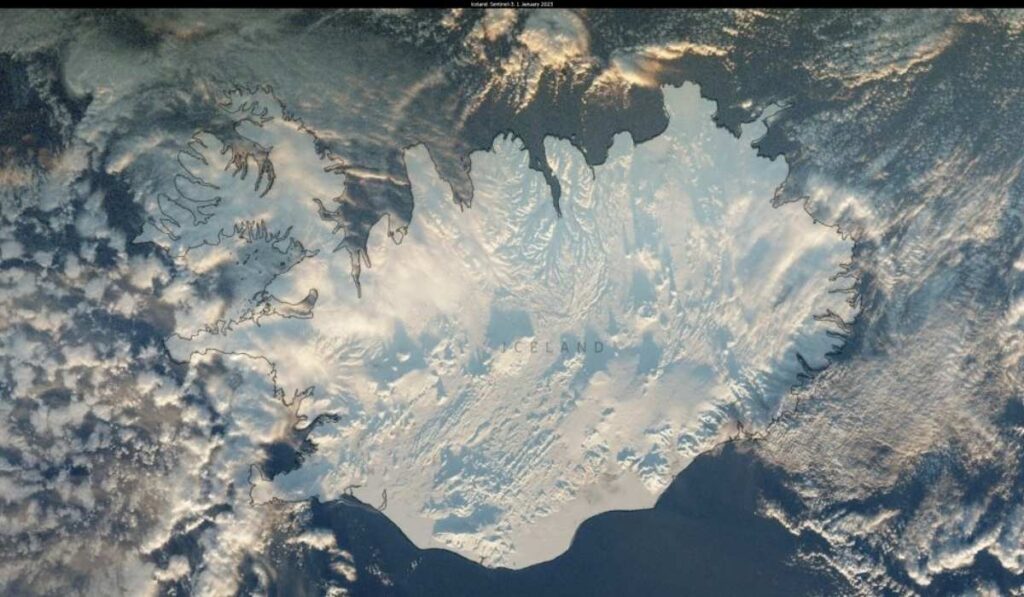
Data collection is a critical aspect of Iceland Sentinel. The system continuously gathers information from its environment using a variety of sensors and detection mechanisms. These sensors are calibrated to ensure precision, even in harsh conditions such as heavy snow, volcanic ash, or strong winds. Data can be collected in both passive and active modes, depending on the type of sensor. Passive sensors capture natural environmental data, while active sensors may emit signals to measure specific conditions, such as radar pulses for atmospheric analysis. The integration of multiple data collection methods ensures comprehensive coverage and enhances the accuracy of predictions.
Real-Time Data Processing
Once data is collected, it undergoes real-time processing to transform raw information into actionable insights. Iceland Sentinel utilizes advanced algorithms that filter, analyze, and interpret the data. Machine learning models are often employed to detect anomalies or predict environmental changes. The system can identify patterns that may indicate potential risks, such as sudden shifts in weather conditions or seismic activity. Real-time processing ensures that operators can respond quickly, reducing the risk of environmental disasters or operational delays.
Communication and Connectivity

A critical feature of Iceland Sentinel is its communication infrastructure. The system is designed to transmit data reliably across vast distances, often relying on satellite networks or high-frequency radio channels. This connectivity allows researchers and authorities to access information remotely, regardless of location. Secure transmission protocols are implemented to protect sensitive data from unauthorized access. By ensuring that data reaches decision-makers promptly, Iceland Sentinel supports informed strategies in environmental management, disaster response, and scientific research.
Applications in Environmental Monitoring
Iceland Sentinel has significant applications in environmental monitoring. It can track changes in air quality, temperature variations, and geological activity, providing valuable insights for climate research. For instance, monitoring volcanic regions or glaciers allows scientists to predict potential hazards and plan mitigation measures. The system’s ability to collect continuous data over long periods makes it a valuable tool for long-term environmental studies. Additionally, Iceland Sentinel contributes to biodiversity monitoring by tracking ecosystems and identifying shifts in species populations caused by climate change.
Role in Disaster Management

In addition to environmental research, Iceland Sentinel plays a crucial role in disaster management. Early warning systems rely on accurate and timely data to anticipate natural disasters such as volcanic eruptions, earthquakes, or severe storms. By providing continuous monitoring and rapid alerts, Iceland Sentinel helps authorities respond quickly, potentially saving lives and reducing property damage. Its integration with emergency response networks ensures that critical information reaches relevant teams without delay, enhancing preparedness and coordination during crises.
Technological Innovations
Iceland Sentinel incorporates several technological innovations that set it apart from traditional monitoring systems. Its use of artificial intelligence for data analysis allows for predictive insights, while its modular design enables easy upgrades and customization. Renewable energy integration ensures sustainability, allowing the system to operate independently for extended periods. Additionally, its robust hardware design enables it to withstand extreme environmental conditions, from sub-zero temperatures to volcanic ash clouds. These innovations make Iceland Sentinel a reliable and forward-looking tool for scientific and operational purposes.
Integration with Research and Policy
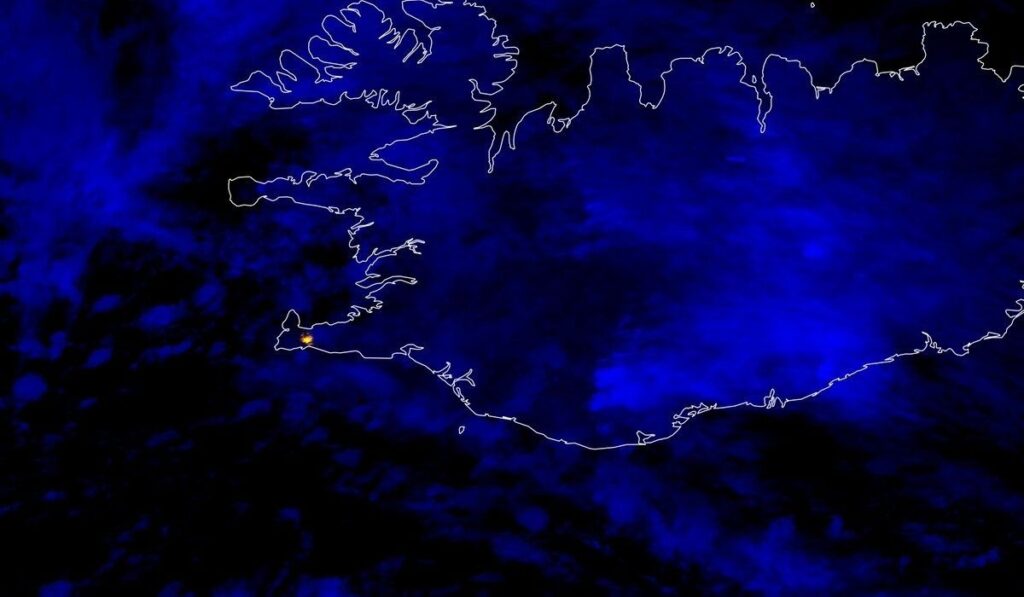
Iceland Sentinel’s data is not only valuable for immediate operational purposes but also contributes to research and policy development. Governments, research institutions, and environmental organizations can utilize the insights generated by the system to make informed decisions. For instance, policymakers can design regulations to protect vulnerable ecosystems, while scientists can study climate trends over decades. The system’s ability to provide accurate, real-time, and historical data bridges the gap between raw information and practical applications.
Future Developments and Expansion
The potential for Iceland Sentinel continues to expand as technology evolves. Future developments may include enhanced sensor capabilities, integration with global monitoring networks, and improved AI-driven predictive models. As environmental challenges grow in complexity, Iceland Sentinel will play a vital role in addressing global issues such as climate change, natural disaster preparedness, and sustainable development. Its adaptability and precision ensure that it remains a relevant and indispensable tool for both research and practical applications.
Conclusion
Iceland Sentinel represents a significant advancement in environmental monitoring and disaster management. By combining advanced sensors, real-time data processing, reliable communication, and innovative technology, the system provides a comprehensive solution for understanding and responding to environmental challenges. Its applications in research, policy development, and disaster response demonstrate its versatility and importance. As the need for accurate environmental data continues to grow, Iceland Sentinel stands as a model for modern monitoring systems, bridging the gap between technology and real-world impact.
Frequently Asked Questions
1. What is Iceland Sentinel used for?
- Iceland Sentinel is primarily used for environmental monitoring, disaster management, and research. It collects real-time data on climate, geological activity, and ecosystem changes.
2. How does Iceland Sentinel collect data?
- The system uses a combination of sensors, including passive and active detection mechanisms, to gather environmental information. These sensors measure variables such as temperature, air quality, and seismic activity.
3. Can Iceland Sentinel operate in extreme conditions?
- Yes, the system is designed to withstand harsh environments, including sub-zero temperatures, volcanic regions, and strong winds, ensuring continuous operation.
4. How is the data from Iceland Sentinel transmitted?
- Data is transmitted using satellite networks, high-frequency radio channels, and secure digital protocols, allowing remote access by researchers and authorities.
5. What makes Iceland Sentinel different from traditional monitoring systems?
- Iceland Sentinel combines real-time processing, artificial intelligence, renewable energy sources, and robust hardware, providing predictive insights and reliable operation in challenging conditions.