Celebrity
Who Is Joanne Schieble? All You Need To Know About Steve Jobs’ Mother

Joanne Schieble was born in 1932 in Green Bay, Wisconsin, into a deeply traditional and religious family of Swiss‑German heritage. Growing up in the conservative culture of the 1930s and 1940s shaped her worldview and instilled in her values of hard work, discipline, and the importance of family. Her formal education continued at the University of Wisconsin, where she studied and eventually pursued a passion in speech pathology — a field not commonly chosen by women of her social circle at the time. This academic drive was a defining element of her character, showing early signs of an independent mind and a desire to break away from strictly conventional life paths.
Despite her ambitions, Joanne Schieble youth was influenced by societal norms that heavily stigmatized unwed mothers and interracial or interfaith relationships. These cultural pressures became one of the defining forces in her personal story and would later deeply influence the course of her life and the lives of her children.
Quick Bio: Joanne Schieble
| Attribute | Details |
|---|---|
| Full Name | Joanne Carole Schieble |
| Also Known As | Joanne Schieble Simpson |
| Date of Birth | August 1, 1932 |
| Place of Birth | Green Bay, Wisconsin, USA |
| Nationality | American |
| Ethnicity | Swiss‑German descent |
| Education | University of Wisconsin |
| Known For | Biological mother of Steve Jobs |
| Children | Steve Jobs, Mona Simpson |
| Occupation | Speech therapist / academic background |
| Death | January 19, 2018 (aged 85) |
Meeting Abdulfattah Jandali and Falling in Love
While attending university, Joanne met Abdulfattah “John” Jandali, a Syrian graduate student studying political science. The two came from very different cultural and religious backgrounds — Joanne was a Catholic from a small American town, and Jandali was a Muslim immigrant. Still, they connected intellectually and emotionally, forming a close relationship amid the energy and free‑thinking environment of college life.
Their relationship was powerful and sincere, but it was also controversial in the context of the 1950s. Joanne’s parents disapproved of her being with someone from a Muslim and Syrian background, largely because of the cultural and religious differences. This disapproval was not just passive — it was a direct force that would ultimately shape Joanne Schieble difficult decision to give up her first child for adoption.
Pregnancy in the 1950s and a Difficult Decision
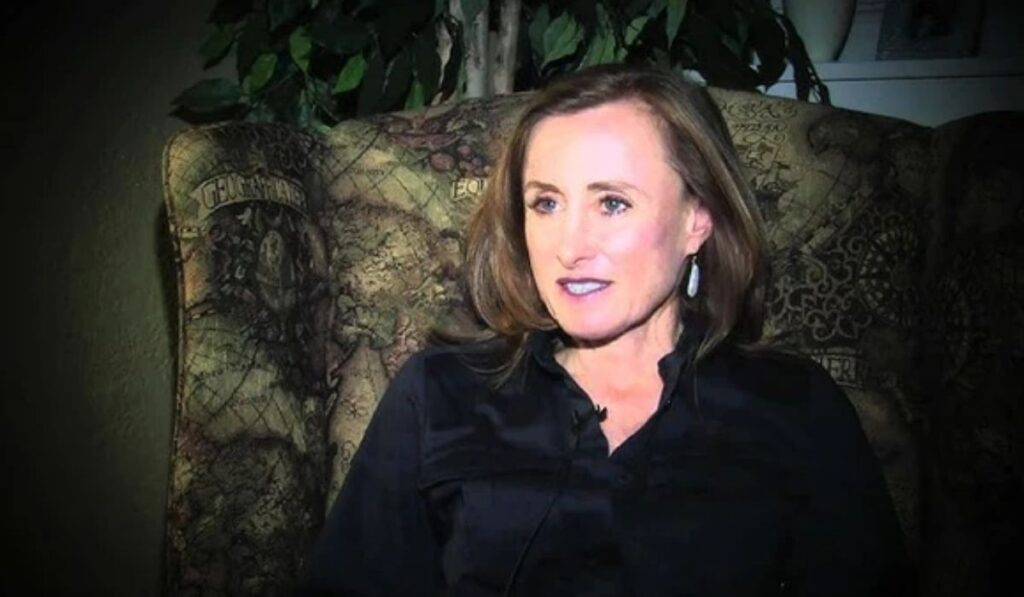
In 1954, at the age of 23, Joanne became pregnant while she and Jandali were still unmarried. The cultural stigma surrounding an unwed pregnancy was severe in that era, and Joanne faced immense emotional pressure both from her family and from broader society. Unmarried motherhood was heavily judged — not just socially, but often economically and legally.
Joanne’s situation became even more complicated because her parents refused to accept Jandali as a suitable partner. In a traditional family that valued religion, conformity, and “proper” conduct, this relationship represented something far outside the norm. With limited options and feeling cornered by social expectations, Joanne Schieble made one of the hardest decisions of her life: she chose to travel to San Francisco for the birth, then place her son into adoption, hoping he would be raised in a stable, supportive environment she could not provide at that moment.
The Birth of Steve Jobs: A Life‑Altering Moment
On February 24, 1955, Joanne gave birth to her son in San Francisco. This child would later become one of the most influential figures in technology — Steve Jobs, co‑founder of Apple Inc. Her decision to place him for adoption was born not from abandonment, but from an effort to ensure he had opportunities she feared she could not offer due to societal and familial pressures.
From the start, Joanne insisted that her baby be adopted by educated parents. The first adoptive couple who agreed to take her baby backed out when they discovered it was a boy, hoping for a girl instead. Eventually, Paul and Clara Jobs, a working‑class couple from California, adopted the infant. Although they didn’t meet Joanne’s education standards, they promised to support his future and ensure he had the chance to pursue college — which influenced Joanne’s reluctant agreement.
This choice fundamentally shaped history. Instead of growing up in Wisconsin, Steve Jobs was raised in the heart of what would become Silicon Valley, surrounded by technology and innovation. His adoptive parents nurtured his curiosity and supported his development, eventually planting the seeds for his future success.
Life After the Adoption

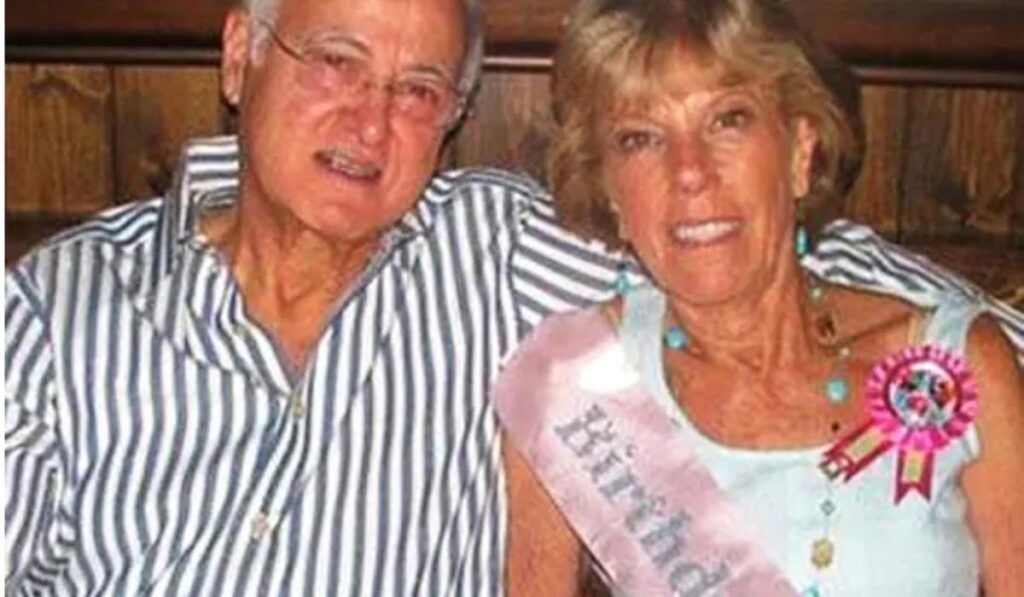
After placing Jobs for adoption, Joanne experienced profound emotional challenges. She returned to Wisconsin, continuing her education and attempting to piece together a new life. Eventually, she married Jandali, though their marriage did not last. Together, they had a daughter, Mona Simpson — a child Joanne raised directly.
Mona would grow up to become a celebrated novelist and academic, known particularly for her book Anywhere But Here. Her work reflects complex emotional themes and relationships that echo her own childhood experiences — including the story of a mother and daughter shaped by events that mirrored those in her own family.
Joanne’s marriage to Jandali ended, and she later married George Simpson, adopting his surname. Her adult life after Steve’s adoption was marked by devotion to her daughter, intellectual pursuits, and a somewhat private professional life. She worked as a speech therapist and preferred to live away from the spotlight, valuing quiet dignity over fame.
Reconnecting With Her Biological Son
Many years after giving him up for adoption, Steve Jobs began seeking information about his origins. It wasn’t until the mid‑1980s, after the death of his adoptive mother Clara, that Jobs reached out to find his birth mother. With the help of records and persistence, he located Joanne Schieble Simpson and made contact. Their reunion was tentative at first, marked by deep emotion, apologies, and the shared understanding that years apart could never erase their biological connection.
Joanne expressed sincere regret for having to give him up, though Steve himself never harbored resentment — seeing her sacrifice as a brave act born of difficult circumstances. Their renewed relationship, though not intensely close, carried mutual respect and closure. It also brought Steve into contact with his biological sister, Mona Simpson, a connection that enriched both their lives in its own way.
Joanne Schieble’s Legacy and Influence

To many, Joanne Schieble might seem like a footnote in the biography of her son, Steve Jobs — someone who made a painful choice in her youth and then faded into the background. But her legacy extends far beyond anonymity. Through her difficult decision to seek the best possible future for her child, she enabled a life story that would shape the global technology landscape.
Her life reminds us of the quiet and often unseen sacrifices mothers make. Although she did not raise Steve herself, her early insistence on securing a hopeful environment for him laid the foundation for everything that followed — from Apple Inc. to the innovations that transformed the personal computing era and beyond.
Joanne also lived a full life beyond that moment. She nurtured and raised Mona Simpson, supported her daughter’s creative journey, and remained rooted in her values of education and emotional resilience. Her story is not just about giving up a child — it’s also about rebuilding, loving, and redefining what family means across time and societal expectations.
The Enduring Lessons From Joanne Schieble’s Story

Today, the story of Joanne Schieble continues to resonate because it reflects universal themes: love, sacrifice, courage, and the complexity of human relationships. In an era when cultural piety and social judgment once limited her options, she made choices that required strength and foresight. Whether viewed through the lens of personal tragedy or quiet heroism, her life offers meaningful insights into the power of decisions, even when they defy easy explanation.
Her role in Steve Jobs’ life was not direct, nor was it defined by presence or publicity. Instead, her impact was woven into the circumstances of his upbringing, his sense of self, and eventually the story he told about his roots. For many, that narrative — that biological roots matter less than the love and opportunity found along the way — stands as part of the complex legacy she helped shape.
Frequently Asked Questions
1. What was Joanne Schieble known for?
- • She was the biological mother of Steve Jobs, best known for placing him for adoption and later reconnecting with him as an adult.
2. Why did Joanne Schieble give Steve up for adoption?
- • She placed him for adoption due to societal pressures, family disapproval, and her desire to ensure he had a stable, educated family.
3. Did Joanne Schieble meet Steve Jobs later in life?
- • Yes — they were reunited in the 1980s after Jobs located her and they maintained intermittent contact.
4. Who is Mona Simpson in relation to Joanne Schieble?
- • Mona Simpson is Joanne’s daughter from her later marriage, and the biological sister of Steve Jobs.
5. What did Joanne Schieble do professionally?
- • She worked primarily as a speech therapist/academic and led a private life away from media attention.