Celebrity
Understanding the Ideal Pomeranian Size for Your Lifestyle
Discover the average size of Pomeranians with our comprehensive guide. Find out if these adorable dogs are the right size for your lifestyle.

Are you considering adding a Pomeranian to your family, but unsure about the ideal size for your lifestyle? It’s essential to understand that Pomeranians come in various sizes, ranging from tiny teacup to standard. Finding the right size for your living situation and activity level is crucial for a happy and healthy pup.
- Teacup Pomeranians weigh less than 3 pounds and are incredibly delicate and prone to health issues. They are best suited for quiet households with minimal physical activity.
- Toy Pomeranians range from 3-7 pounds and are a popular choice for families living in apartments or smaller homes.
- Miniature Pomeranians weigh between 7-12 pounds and are a good fit for active families that enjoy outdoor activities.
- Standard Pomeranians are the largest size, weighing 12-16 pounds. They are energetic and require plenty of exercise and mental stimulation.
When selecting the ideal Pomeranian size for your lifestyle, consider factors such as living space, daily routine, and activity level. Whether you prefer a pocket-sized companion or a larger, more robust pup, finding the right size will ensure a harmonious relationship between you and your furry friend.
Quick Bio
| Pomeranian Size |
|---|
| Full Name: Pomeranian |
| Known For: Small size and fluffy coat |
| Nationality: German |
| Profession: Companion dog |
| Notable Achievements: Popular breed for its charming personality |
| Recognition: American Kennel Club (AKC) recognized breed |
Factors That Influence Pomeranian Size
Pomeranian size is influenced by various factors that play a role in determining how big or small these fluffy dogs will grow to be. One key factor is genetics, as the size of a Pomeranian puppy’s parents can give you a good indication of how big the puppy will ultimately become. If both parents are small in size, the puppy is likely to be on the smaller side as well. Conversely, if one or both parents are larger in size, the puppy may grow to be a bigger Pomeranian.
Another factor that can influence Pomeranian size is nutrition. Providing a balanced diet with the right nutrients is crucial for the proper growth and development of a Pomeranian puppy. Overfeeding can lead to excessive weight gain, while underfeeding can result in stunted growth. It’s important to follow feeding guidelines and consult with a veterinarian to ensure your Pomeranian is receiving the appropriate amount of food for their size and age.
Additionally, the environment can also impact a Pomeranian’s size. Adequate exercise and mental stimulation are essential for overall health and can contribute to a Pomeranian maintaining a healthy weight and size. Proper healthcare, including regular check-ups and vaccinations, can also play a role in ensuring a Pomeranian grows to its full potential.
In conclusion, a combination of genetics, nutrition, environment, and healthcare all contribute to the size of a Pomeranian. By understanding and addressing these factors, you can help your Pomeranian reach its optimal size and lead a happy, healthy life.
Achieving the Perfect Pomeranian Size Through Nutrition
One key factor in achieving the perfect size for your Pomeranian is through proper nutrition. The size of a Pomeranian can vary greatly depending on genetics, but providing the right balance of nutrients can help support healthy growth and development.
When it comes to nutrition, it’s important to feed your Pomeranian a high-quality diet that is specifically formulated for small breed dogs. Look for a dog food that is rich in protein to support muscle development, as well as essential vitamins and minerals for overall health.
Proper portion control is also crucial in managing the size of your Pomeranian. Overfeeding can lead to excessive weight gain, which can put strain on their joints and overall health. On the other hand, underfeeding can result in stunted growth and development.
In addition to their regular diet, it’s important to provide your Pomeranian with healthy treats in moderation. Opt for treats that are low in calories and specifically designed for small breed dogs to avoid unnecessary weight gain.
Regular exercise is also important in maintaining a healthy size for your Pomeranian. Be sure to engage in daily walks and playtime to help keep them active and at a healthy weight.
Overall, by providing a balanced diet, proper portion control, and regular exercise, you can help ensure that your Pomeranian achieves the perfect size for their breed.
Pomeranian Size Guidelines: How Big Should Your Pup Be?
When it comes to Pomeranian size, there are some guidelines to help you gauge how big your pup should be. Pomeranians are a small breed, typically weighing between 3 to 7 pounds and standing around 6 to 7 inches tall at the shoulder. However, some Pomeranians may be larger or smaller depending on their genetics and breeding.
You can expect your Pomeranian puppy to grow rapidly in the first few months of their life. By the time they reach adulthood at around one year old, they should have reached their full height and weight. It’s important to monitor your Pomeranian’s growth to ensure they are staying within a healthy range.
If you’re ever unsure about your Pomeranian’s size, consult with your veterinarian for guidance. They can help assess whether your pup is growing as expected and provide recommendations for their diet and exercise to maintain a healthy weight.
Remember, every Pomeranian is unique, so don’t be too concerned if your pup doesn’t fit exactly within the average size range. As long as they are healthy and happy, that’s what matters most. Enjoy watching your Pomeranian grow and thrive as they become your loyal companion for years to come.
The Impact of Genetics on Pomeranian Size
One of the fascinating aspects of Pomeranian dogs is the wide range of sizes they can come in. While the breed standard calls for a compact dog weighing between 3 to 7 pounds, it’s not uncommon to see Pomeranians outside of this range. The size of a Pomeranian is primarily influenced by genetics, which play a significant role in determining how big or small they will grow to be.
Genetics dictate the potential size range of a Pomeranian, with smaller dogs likely to have parents who are also on the smaller side. Conversely, larger Pomeranians often have parents who are bigger in size. This is due to the fact that certain genes are responsible for controlling the dog’s growth and development, including their overall size.
Factors such as diet, exercise, and overall health can also impact a Pomeranian’s final size, but genetics are the primary determining factor. Breeders carefully select which dogs to mate in order to produce puppies of a desired size, but even then, there can still be variations within a litter.
- Pomeranians can range in size from 3 to 7 pounds.
While Pomeranians may come in different sizes, they all share the same playful and loving personality that has endeared them to dog lovers around the world. Whether you have a petite Pomeranian or a larger one, their size doesn’t diminish their charm and affectionate nature.
How to Determine the Right Pomeranian Size for You

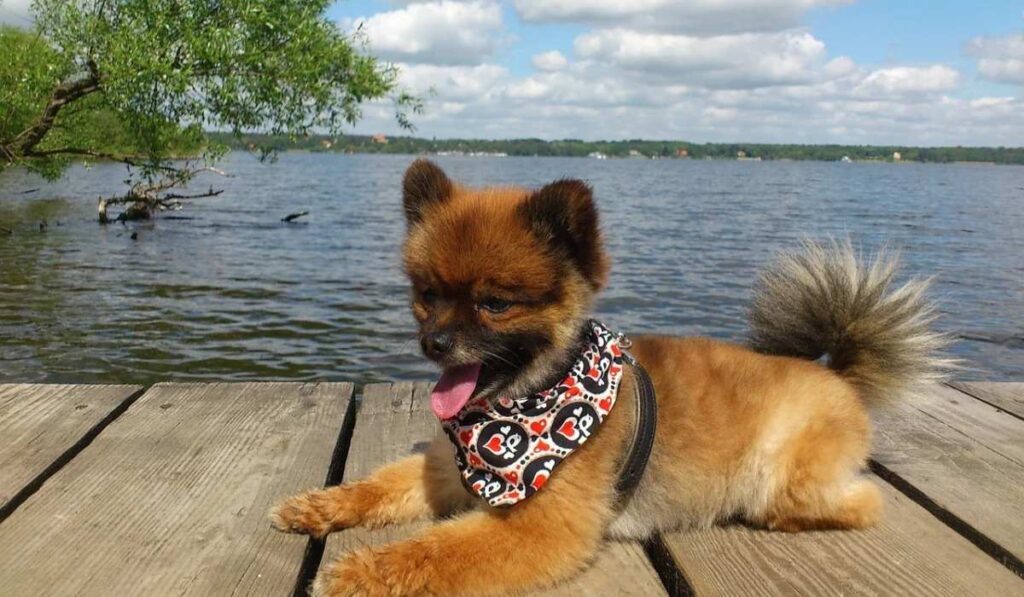
When it comes to choosing the right Pomeranian size for you, there are a few factors to consider. One of the most important things to think about is your living situation. If you live in a small apartment or have limited space, a smaller Pomeranian may be more suitable for you. On the other hand, if you have a larger home with a yard, you may be able to accommodate a larger Pomeranian.
Another consideration is your lifestyle and activity level. Pomeranians come in a range of sizes, from teacup to standard, and each size may have different energy levels. If you are an active person who enjoys going for long walks or runs, a larger Pomeranian may be a better fit for you. However, if you prefer a more laid-back lifestyle, a smaller Pomeranian may be a better match.
It’s also important to consider your ability to care for a larger dog. Larger Pomeranians may require more food, exercise, and grooming than smaller ones. If you are willing and able to provide the necessary care for a larger Pomeranian, then that size may be a good option for you.
Ultimately, the right Pomeranian size for you will depend on your living situation, lifestyle, and ability to care for the dog. Take the time to consider these factors before making a decision, and you’ll be well on your way to finding the perfect Pomeranian for you.
Maintaining a Healthy Pomeranian Size: Exercise and Care Tips
Pomeranians are adorable little furballs that steal the hearts of many with their fluffy coats and charming personalities. As a responsible pet owner, it’s important to ensure that your Pomeranian maintains a healthy size through proper exercise and care.
Regular exercise is key to keeping your Pomeranian in good shape. These small dogs have a lot of energy despite their size, so daily walks or playtime in the backyard are essential for their physical well-being. Incorporating interactive toys or agility training can help keep them mentally stimulated as well.
In addition to exercise, monitoring your Pomeranian’s diet is crucial in maintaining a healthy size. Just like humans, Pomeranians can easily gain weight if they consume too many calories. Make sure to provide them with high-quality food that is appropriate for their age and size, and be mindful of portion control.
Regular visits to the vet are also important for ensuring that your Pomeranian stays at a healthy weight. Your veterinarian can provide guidance on proper nutrition and exercise routines based on your dog’s individual needs.
Remember that every dog is different, so it’s essential to tailor your Pomeranian’s exercise and care routine to suit their specific requirements. By prioritizing their well-being, you can help your Pomeranian live a long, happy, and healthy life.
Common Misconceptions About Pomeranian Size and Growth
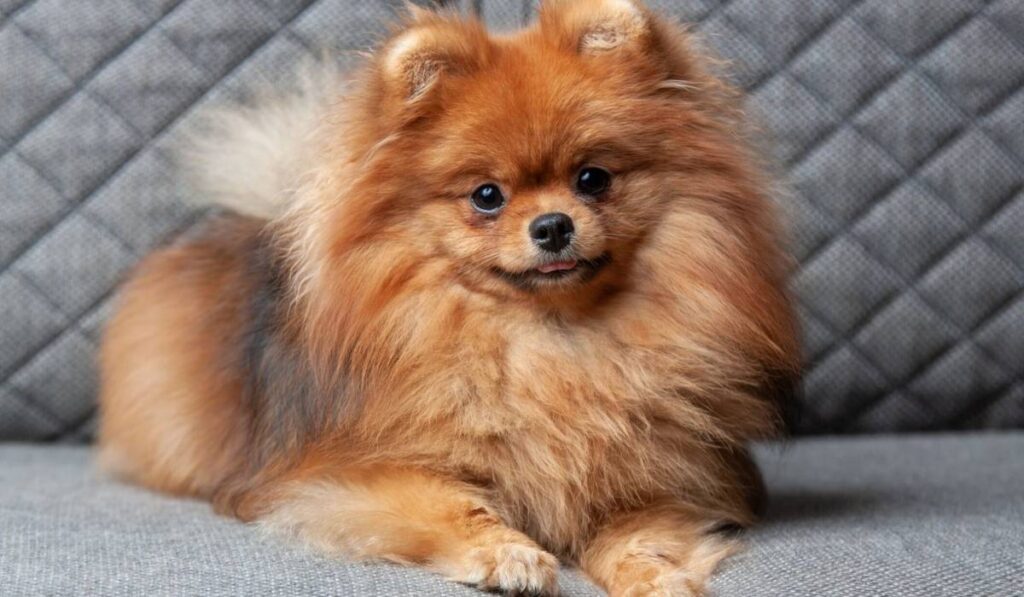
One common misconception about Pomeranians is their size. Many people believe that all Pomeranians are extremely tiny, especially as puppies. While it’s true that Pomeranian puppies are small and adorable, it’s important to note that they will grow and their size as adults can vary. Pomeranians are a toy breed, but they can range in size from just a few pounds to around 7 pounds on average.
There is a misconception that all Pomeranians will stay tiny forever, but this is not the case. Factors such as genetics, diet, exercise, and overall health can influence the size of a Pomeranian as they mature. Some will remain smaller, while others may reach the upper end of the breed standard.
It’s also important to consider that Pomeranians are prone to obesity if not properly cared for. Overfeeding and lack of exercise can lead to weight gain, which can affect their size and overall health. It’s crucial to provide a balanced diet and regular exercise to ensure your Pomeranian stays healthy and within a proper weight range for their size.
In summary, while Pomeranians are known for their small size, it’s important to understand that they can vary in size as adults and may not all stay tiny forever. By providing proper care, including a balanced diet and regular exercise, you can help your Pomeranian maintain a healthy size and weight throughout their life.
Frequently Asked Questions
FAQ: Pomeranian Size
Q: How big do Pomeranians typically get?
A: Pomeranians typically weigh between 3 to 7 pounds and stand about 7 to 12 inches tall at the shoulder.
Q: Are there different sizes of Pomeranians?
A: Pomeranians are generally categorized as either standard or miniature. Standard Pomeranians are larger, while miniature Pomeranians are smaller in size.
Q: How can I predict the size of my Pomeranian puppy?
A: While it’s challenging to predict the exact size of a Pomeranian puppy, looking at the size of their parents can give you an idea of how big they may grow to be. Breeders can also provide guidance based on their experience.
Q: Do Pomeranians tend to be smaller or larger than other breeds?
A: Pomeranians are generally considered small dogs, but size can vary even within the breed. Some Pomeranians may be especially small or large compared to others in the breed.
Q: Are there health concerns associated with Pomeranian size?
A: While Pomeranians are a small breed, they can be prone to certain health issues related to their size, such as dental problems due to their small mouths and luxating patella (a knee condition). Regular veterinary check-ups and proper care can help mitigate these risks.
Read More at Wikinews