Celebrity
What is finishing salt and how is it used in cooking?
Finishing salt adds a final touch of flavor and texture to dishes. Learn how to enhance your meals with the perfect finishing salt for a gourmet experience.

Finishing salt is a type of salt that is sprinkled on to finished dishes just before serving to enhance the flavor and texture of the food. It is generally larger and coarser in texture than regular table salt, which allows it to provide a burst of flavor and a satisfying crunch with each bite.
- Finishing salt is not meant to be used during the cooking process, but rather as a final touch to add a pop of flavor and a bit of visual appeal to your dishes.
- Common types of finishing salts include sea salt, Himalayan salt, Fleur de Sel, and Maldon salt.
- Each type of finishing salt has its own unique flavor profile and texture, which can complement different dishes in various ways.
In cooking, finishing salt is often used to add the perfect finishing touch to a wide variety of dishes, such as grilled meats, roasted vegetables, salads, and even desserts. Its ability to enhance the natural flavors of the food while also providing a pleasing textural contrast makes it a favorite among both professional chefs and home cooks alike. So next time you’re looking to take your dishes to the next level, don’t forget to reach for that trusty jar of finishing salt. Your taste buds will thank you!
Quick Bio
| Full Name | Known For | Nationality | Profession | Notable Achievements | Recognition |
|---|---|---|---|---|---|
| Finishing Salt | Enhancing the flavor of dishes | Various | Seasoning | Adding a final touch to dishes before serving | Widely used by chefs and home cooks |
Exploring the different types of finishing salts
Finishing salt is a type of salt that is used to enhance the flavor and texture of a dish just before serving. Unlike regular table salt, which is typically used during the cooking process, finishing salts are sprinkled on top of the finished dish to add a final burst of flavor and visual appeal.
One of the key characteristics of finishing salts is their texture. They often have larger crystals or flakes compared to table salt or kosher salt, which can provide a pleasing crunch or burst of saltiness when bitten into. This different texture can add a unique element to dishes, especially when used sparingly to highlight the flavors of the other ingredients.
There are many different types of finishing salts available, each with its own distinct flavor profile and origin. Some popular varieties include Himalayan pink salt, which has a subtle mineral flavor and pink hue from trace minerals, and fleur de sel, a French sea salt known for its delicate crunch and briny taste.
Exploring the world of finishing salts can open up a whole new realm of culinary possibilities, allowing you to experiment with different flavors and textures to elevate your cooking to the next level. Whether you’re looking to add a finishing touch to a simple salad or a gourmet dessert, there’s a finishing salt out there to suit your needs.
Enhance your dishes with the perfect finishing salt

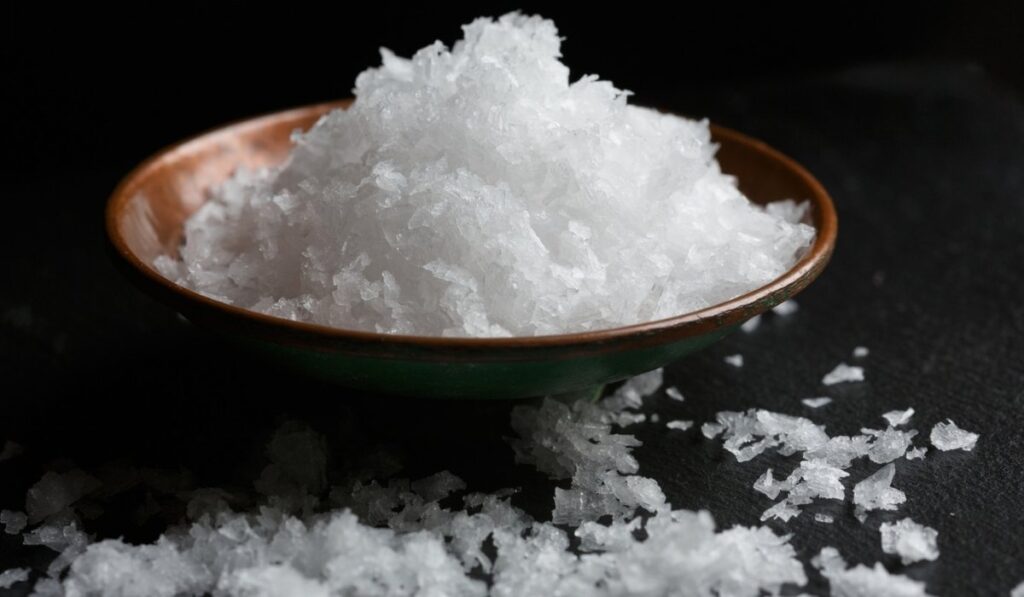
Finishing salt is the final touch that can take your dishes from good to outstanding. It is a high-quality salt that is added to food just before serving to enhance the flavor and texture of a dish. Unlike regular table salt, finishing salt is typically more coarse in texture and has a more pronounced flavor profile.
One of the key benefits of finishing salt is that it adds a satisfying crunch to your dishes, providing a contrast in texture that can elevate the overall eating experience. It also helps to bring out the natural flavors of the ingredients in your dish, making them more vibrant and complex.
There are many different types of finishing salts available, each with its own unique taste and texture. From delicate flakes of Maldon sea salt to smoky Hawaiian black lava salt, the options are endless. Experimenting with different types of finishing salt can add new dimensions to your dishes and inspire creativity in the kitchen.
When using finishing salt, it’s important to remember that a little goes a long way. Because of its intense flavor, you only need to use a small amount to make a big impact. Sprinkle a pinch of finishing salt over a perfectly seared steak, a fresh salad, or even a decadent chocolate dessert to take your culinary creations to the next level.
The art of seasoning with finishing salt
Finishing salt is the final touch that elevates a dish from good to exceptional. It is a high-quality salt typically added right before serving to enhance the flavors of the ingredients. Unlike regular table salt, which is often used during the cooking process for seasoning, finishing salt is meant to be sprinkled on top of a finished dish to add a burst of flavor and texture.
One of the key characteristics of finishing salt is its larger, coarser grains, which provide a satisfying crunch when bitten into. This texture also helps the salt to evenly distribute over the surface of the food, ensuring that each bite is perfectly seasoned. Finishing salt comes in a variety of forms, including flaky sea salt, smoked salt, and flavored salts infused with herbs or spices.
Using finishing salt is an art form that requires a delicate balance. Too little, and the dish may taste under-seasoned; too much, and the flavors can become overpowering. By adding just the right amount of finishing salt, you can enhance the natural flavors of the ingredients and create a more vibrant and complex dish.
Next time you’re preparing a meal, consider adding a sprinkle of finishing salt at the end to take your dish to the next level. It’s a simple yet impactful way to elevate your cooking and impress your guests.
Elevate your culinary creations with finishing salt
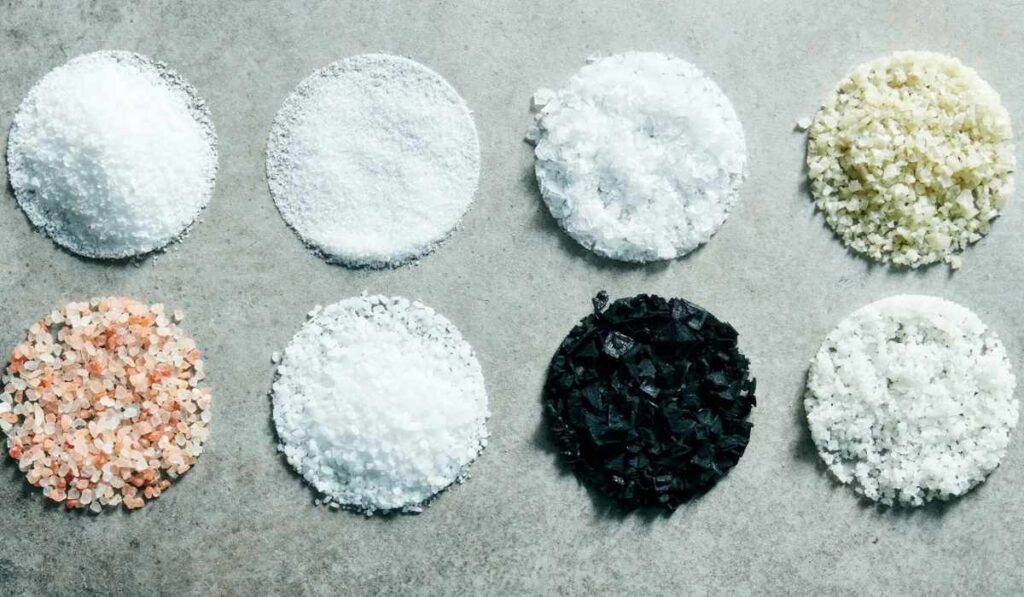
Finishing salt is a type of salt that is specifically designed to be added to food just before serving to enhance its flavor and texture. Unlike table salt, which is typically used during the cooking process, finishing salt is meant to be sprinkled on top of dishes right before they are served. This allows the salt to provide a burst of flavor that is distinct and noticeable.
There are many different types of finishing salts available, each with its own unique flavor profile and texture. For example, flaky sea salt is popular for its delicate texture and mild flavor, while Himalayan pink salt adds a touch of mineral complexity to dishes. Smoked salts can bring a rich, smoky flavor to meats and vegetables, while flavored salts infused with herbs or spices can add an extra layer of complexity to your culinary creations.
Using finishing salt can take your dishes to the next level, elevating the overall taste and presentation. It allows you to control the saltiness of your food more precisely, as you can adjust the amount to suit your personal preferences. Additionally, the texture and crunch of finishing salt can provide a satisfying contrast to softer foods, adding a new dimension to your dining experience.
Understanding the role of finishing salt in the kitchen
Finishing salt is a crucial ingredient that can elevate the flavors of your dishes in ways you never knew possible. Unlike table salt, which is used primarily for seasoning during cooking, finishing salt is exactly what it sounds like – salt that is added as a final touch right before serving.
One of the key characteristics of finishing salt is its texture. Unlike table salt, which is fine and granulated, finishing salt is typically larger in size and has a flakier texture. This unique texture allows the salt to provide a satisfying crunch and burst of flavor with each bite, enhancing the overall dining experience.
Additionally, finishing salt comes in a variety of textures and flavors, depending on the type of salt used and how it is processed. From delicate flakes of Maldon sea salt to the earthy crunch of Himalayan pink salt, each variety of finishing salt brings its own distinctive flavor profile to the table.
Incorporating finishing salt into your cooking routine can truly take your dishes to the next level. Sprinkle a pinch of finishing salt over a perfectly grilled steak, a fresh salad, or even a decadent chocolate dessert to bring out the flavors and add a touch of elegance to your meals. So next time you’re in the kitchen, don’t forget to reach for that finishing salt – your taste buds will thank you.
Choosing the best finishing salt for your dishes
Finishing salt is the final touch that can elevate your dishes from good to exceptional. It is a type of salt that is added to a dish right before serving to enhance the flavors and add a pop of texture. Unlike regular table salt, finishing salt is typically less processed and has larger crystals, which provide a delightful crunch and burst of flavor with each bite.
There are many different types of finishing salts to choose from, each with its own unique characteristics and flavor profiles. Some popular options include Himalayan pink salt, Maldon sea salt, fleur de sel, and smoked salt. Each of these salts has a distinct taste and texture, making it suitable for different types of dishes.
When choosing the best finishing salt for your dishes, consider the flavors of the dish and the intensity of the salt. For delicate dishes, a lighter finishing salt like fleur de sel may be more appropriate, while heartier dishes may benefit from a more robust salt like smoked salt. Experimenting with different types of finishing salts can help you find the perfect match for your dishes and take your cooking to the next level.
Remember, a little bit of finishing salt goes a long way, so be sure to sprinkle it judiciously over your dishes to avoid overpowering the other flavors. The right finishing salt can enhance the overall dining experience and impress your guests with its depth of flavor and texture.
Unlocking the flavors of your meals with finishing salt
Finishing salt is a special type of salt used to enhance the flavors of a dish right before serving. Unlike regular table salt that is used during the cooking process, finishing salt is meant to be sprinkled on top of the food just before it is served. This allows the salt to provide a burst of flavor and texture that elevates the dish to a whole new level.
There are various types of finishing salts available, each with its own unique flavor profile and texture. Some popular varieties include Himalayan pink salt, Maldon sea salt, fleur de sel, and smoked salt. These salts can range from fine to coarse in texture and can come in different colors depending on their mineral content.
The beauty of finishing salt lies in its ability to add a subtle crunch and burst of flavor that enhances the overall taste of the dish. Whether it’s a simple salad, grilled vegetables, or a perfectly cooked piece of steak, finishing salt can take your meal from good to extraordinary.
So next time you’re looking to add a finishing touch to your cooking, don’t forget to reach for that special jar of finishing salt. Experiment with different varieties to unlock a world of flavors that will tantalize your taste buds and impress your guests.
Frequently Asked Questions
FAQs about Finishing Salt
Q: What is finishing salt?
A: Finishing salt is a type of salt that is added to food just before serving to enhance the flavors. It is typically larger in grain size and has a stronger flavor than regular table salt.
Q: How is finishing salt different from regular salt?
A: Finishing salt is often less refined than regular salt, giving it a more distinct flavor and unique texture. It is meant to be sprinkled on top of dishes to provide a final touch of flavor.
Q: What are some common types of finishing salt?
A: Some common types of finishing salt include sea salt, Himalayan pink salt, fleur de sel, and Maldon salt. Each type has its own unique flavor profile and texture.
Q: How should I use finishing salt in my cooking?
A: Finishing salt should be sprinkled on top of dishes just before serving to enhance the flavors. It can be used on meats, vegetables, salads, and even desserts to add a pop of flavor and texture.
Q: Where can I purchase finishing salt?
A: Finishing salt can be found at specialty grocery stores, gourmet food shops, and online retailers. It is also becoming more common in regular grocery stores as its popularity grows.
Read More at Wikinews