Celebrity
Understanding the Importance of Zakat Meaning in Islam
Learn about zakat meaning and its significance in Islam. Find out how zakat is calculated and how it serves as a form of charity and social responsibility.

In Islam, Zakat is an essential pillar of faith that holds immense significance for all believers. This charitable practice involves giving a portion of one’s wealth to those in need, with the aim of purifying one’s wealth and sharing blessings with the less fortunate.
- At its core, Zakat meaning can be understood as an act of worship that demonstrates a Muslim’s commitment to social justice and compassion.
- It is a means of fulfilling the duty of helping those in need and ensuring that wealth is distributed equitably within society.
- Zakat is not just about giving money; it is about giving from the heart and with sincere intention to please Allah.
- By giving Zakat, Muslims purify their wealth and free themselves from the love of material possessions, which can lead to greed and selfishness.
- Moreover, Zakat helps to strengthen the bonds of community and solidarity among believers, fostering a sense of unity and care for one another.
Overall, understanding the importance of Zakat meaning in Islam is crucial for every practicing Muslim, as it serves as a reminder of the importance of charity, compassion, and social responsibility in the faith.
Quick Bio
| Full Name | Known For | Nationality | Profession | Notable Achievements | Recognition |
|---|---|---|---|---|---|
| Zakat Meaning | Charity in Islam | Islamic | Religion | Helping the poor and needy | Important pillar of Islam |
Exploring the Significance of Zakat Meaning in Muslim Practices
Zakat, a term derived from the Arabic root “Z-K-A” which means “to purify” or “to grow,” holds significant meaning in the practices of Muslims around the world. It is one of the Five Pillars of Islam, emphasizing the importance of giving to those in need and maintaining social welfare within the community. Zakat is not just a form of charity; it is a mandatory act of worship that helps purify one’s wealth and soul.
In Islamic teachings, zakat is considered a means of achieving balance and harmony in society by redistributing wealth among individuals. By giving a portion of their wealth to those less fortunate, Muslims fulfill their duty to help those in need and uphold social justice. This act of giving is not just about the tangible benefits for the recipient, but also about the spiritual rewards for the giver.
Zakat is not just limited to monetary wealth; it can also include other forms of assets such as livestock, crops, and business profits. The calculation of zakat is based on specific criteria and guidelines outlined in Islamic jurisprudence. It is a systematic way of ensuring that a portion of one’s wealth is set aside for the less fortunate.
The practice of zakat goes beyond just providing financial assistance; it is a way of fostering compassion, empathy, and solidarity within the Muslim community. It serves as a reminder of the blessings of wealth and the responsibility that comes with it. By giving zakat, Muslims acknowledge their dependence on a higher power and their duty to care for those in need.
Unpacking the Definition and Purpose of Zakat Meaning


Zakat, one of the Five Pillars of Islam, holds great significance in the religion and plays a crucial role in the lives of Muslims. The term “zakat” meaning is often translated as “almsgiving” or “charity,” but its true essence goes beyond just giving away money. Zakat is a form of obligatory charity that serves as a means of purifying one’s wealth and acknowledging that all blessings come from Allah.
The purpose of zakat is not only to assist those in need but also to promote social justice and equality within the Muslim community. By giving a portion of their wealth to the less fortunate, Muslims fulfill their duty to support those who are struggling and ensure that everyone has access to basic necessities. Zakat also serves as a reminder to be grateful for the blessings one has received and to be mindful of those who are less fortunate.
In Islamic teachings, zakat is seen as a way to cleanse one’s wealth and purify their soul. It is a form of worship that demonstrates a Muslim’s commitment to living a righteous and charitable life. Over the centuries, zakat has played a crucial role in helping to alleviate poverty and provide for those in need across the Muslim world.
Overall, the meaning and purpose of zakat go beyond just the act of giving money. It is about recognizing the interconnectedness of all humanity and fulfilling one’s duty to support and care for others. By understanding the true essence of zakat, Muslims can strive to live a more compassionate and charitable life in accordance with their faith.
Delving into the Spiritual and Social Implications of Zakat Meaning
Zakat is a fundamental pillar of Islam, emphasizing the importance of giving back to those in need. The concept of zakat goes beyond just a charitable donation; it is a form of spiritual purification. By giving a portion of their wealth to the less fortunate, Muslims demonstrate their commitment to social responsibility and compassion.
Zakat meaning holds deep spiritual significance in Islam. It is considered a form of worship, as believers are fulfilling a duty prescribed by Allah to help those who are less fortunate. The act of giving zakat not only benefits those in need but also purifies the wealth of the giver, symbolizing a cleansing of the heart from greed and selfishness.
From a social perspective, zakat plays a crucial role in promoting social justice and equity within the Muslim community. It helps to alleviate poverty, reduce economic inequality, and strengthen solidarity among believers. The practice of zakat fosters a sense of community and compassion, encouraging individuals to care for one another and work together to improve the welfare of society as a whole.
In conclusion, delving into the spiritual and social implications of zakat meaning reveals its significance in Islam as a pillar of faith and a tool for promoting social welfare and justice. Muslims are encouraged to give zakat not only as a religious obligation but also as a means to cultivate empathy, generosity, and unity within their community.
The Role of Zakat Meaning in Promoting Social Justice and Economic Equality
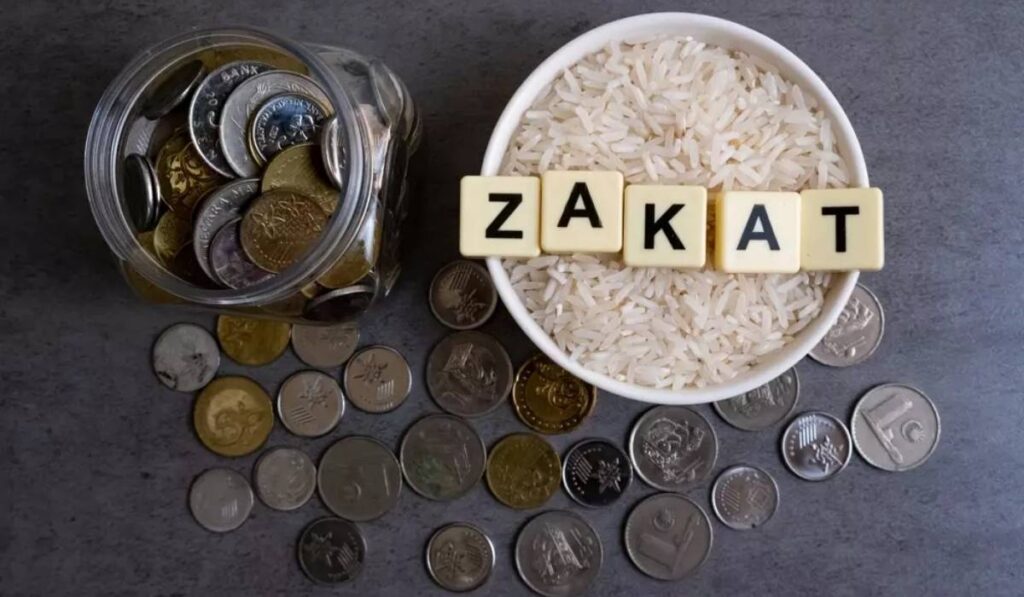
Zakat, often referred to as the “third pillar of Islam,” holds significant importance in promoting social justice and economic equality within Muslim communities. The word Zakat itself comes from the Arabic root ‘Z-K-W,’ which means ‘purification’ or ‘growth.’ This reflects the dual nature of Zakat, as it not only purifies the wealth of the giver but also helps in the growth and development of society as a whole.
In Islamic teachings, Zakat is mandatory for those who possess a certain amount of wealth, and it serves as a way to redistribute resources among the less fortunate members of society. By requiring those who are financially capable to give a portion of their wealth to the poor and needy, Zakat ensures a more equitable distribution of resources and helps alleviate poverty. This practice ultimately fosters a sense of empathy and compassion within the community, promoting social cohesion and solidarity.
Furthermore, Zakat plays a crucial role in reducing economic disparities by bridging the gap between the rich and the poor. By encouraging the redistribution of wealth, Zakat helps address systemic inequalities and ensures that everyone has access to basic necessities such as food, shelter, and healthcare. In this way, Zakat acts as a powerful tool for promoting economic justice and creating a more equitable society for all its members.
Connecting with the True Essence of Zakat Meaning in Islamic Teachings
Zakat, one of the five pillars of Islam, holds immense significance in Islamic teachings. The true essence of zakat lies in its fundamental meaning of purification and growth. In Arabic, zakat means both ‘purification’ and ‘growth’, signifying the dual purpose it serves in the life of a Muslim.
When a person gives zakat, they are not only purifying their wealth by giving a portion of it to those in need but also facilitating the growth and well-being of the community as a whole. Zakat is often described as a form of social solidarity, where those who have been blessed with wealth are encouraged to share it with those less fortunate. This act of charity not only benefits the recipient but also brings spiritual growth and blessings to the giver.
In Islamic teachings, zakat is seen as a means of achieving social justice and equality. It is a way to ensure that wealth is distributed fairly among all members of society, helping to alleviate poverty and create a sense of community and empathy among believers.
Overall, connecting with the true essence of zakat in Islamic teachings means understanding its role in purifying wealth, fostering growth, promoting social justice, and strengthening the bonds of compassion within the community. By practicing zakat sincerely, Muslims can truly embody the teachings of Islam and contribute to a more just and equitable society.
Examining the Relationship Between Zakat Meaning and Charitable Giving
Zakat holds significant meaning in Islam, encompassing the concept of giving back to those in need as a form of purification and social responsibility. The word ‘zakat’ itself means ‘that which purifies’ in Arabic, highlighting its central role in cleansing one’s wealth and soul through charitable giving. It is one of the Five Pillars of Islam, emphasizing its importance in the faith and daily life of Muslims around the world.
At its core, zakat serves as a means of redistributing wealth among the community, ensuring that everyone has access to basic necessities and resources. By fulfilling their zakat obligation, Muslims contribute to the well-being of society and uphold principles of justice and compassion. This act of giving is rooted in empathy and solidarity, fostering a sense of unity and support within the Muslim community.
Zakat goes beyond simple charity; it is a fundamental act of worship and a reflection of one’s faith. Through zakat, individuals acknowledge their interconnectedness with others and their responsibility to uplift those less fortunate. By understanding the true meaning of zakat, Muslims can engage in charitable giving with a sense of purpose and devotion to God. Ultimately, zakat serves as a reminder of the importance of generosity, gratitude, and humility in the practice of Islam.
Embracing the Principles of Zakat Meaning for Personal Growth and Community Development
Zakat, one of the Five Pillars of Islam, holds significant meaning for Muslims around the world. It represents a form of obligatory charity that serves to purify wealth and assist those in need. The literal translation of Zakat is “that which purifies” or “growth”, highlighting its dual purpose of cleansing one’s wealth and fostering personal and communal growth.
By embracing the principles of Zakat, individuals can experience personal growth through the act of giving and selflessness. It encourages a sense of empathy and compassion towards those less fortunate, fostering a mindset of gratitude and generosity. Through the practice of Zakat, individuals learn to detach themselves from the love of material possessions and instead focus on the importance of helping others in need.
Furthermore, Zakat plays a crucial role in community development by redistributing wealth to those who are disadvantaged or marginalized. This system of social welfare promotes economic equality and solidarity within the Muslim community, ensuring that everyone has access to basic necessities and resources.
Overall, understanding the true meaning of Zakat and incorporating its principles into one’s life can lead to personal growth and contribute to the development of a more compassionate and supportive community.
Frequently Asked Questions
What is zakat?
Zakat is a form of almsgiving that is mandatory for Muslims who are able to pay it. It is considered one of the Five Pillars of Islam.
How is zakat calculated?
Zakat is typically calculated as 2.5% of a Muslim’s annual savings and investments.
Who is eligible to receive zakat?
Zakat can be given to a variety of individuals in need, including the poor, the elderly, orphans, and refugees.
What is the purpose of zakat?
Zakat is meant to purify a Muslim’s wealth and help those in need. It is seen as a way to bring social justice and equality within the Muslim community.
Can zakat be given to non-Muslims?
Zakat is traditionally meant to be given to Muslims in need, but scholars differ on whether it can be given to non-Muslims in certain circumstances.
Read More at Wikinews