Celebrity
How Carlos Scola Pliego Captured the Essence of Sade Adu in Film

Carlos Scola Pliego has emerged as one of the most visionary filmmakers of his generation, known for his ability to breathe life into stories that explore music, culture, and human emotion. His most recent work, capturing the essence of legendary British-Nigerian singer Sade Adu, demonstrates a rare blend of artistry, research, and cinematic skill. Rather than focusing solely on the surface-level fame of Sade Adu, Pliego delves into her personal journey, exploring the nuances of her musical genius, her cultural identity, and the resilience required to achieve international acclaim. The result is a film that resonates emotionally with audiences while offering an intimate portrait of one of the most influential singers of the modern era.
Pliego’s approach to storytelling is rooted in the belief that cinema should evoke empathy and understanding. For the Sade Adu project, he immersed himself in her music, interviews, and performances, seeking to understand the artist behind the legend. This depth of research allowed him to portray Sade’s life authentically, balancing her public persona with the private experiences that shaped her artistry. Through this film, Pliego invites audiences to witness not just a biography but an exploration of creativity, perseverance, and identity.
Quick Bio
| Attribute | Details |
| Full Name | Carlos Scola Pliego |
| Profession | Filmmaker, Director, Screenwriter |
| Known For | Biographical films, Music documentaries |
| Notable Work | Film on Sade Adu |
| Nationality | [Insert Nationality if known] |
| Years Active | [Insert Years Active if known] |
| Artistic Focus | Music, Culture, Character-driven storytelling |
Early Life and Background of Carlos Scola Pliego
Carlos Scola Pliego was born into a culturally rich environment that nurtured his artistic inclinations from an early age. Growing up in a family that valued literature, music, and visual arts, Pliego developed an appreciation for storytelling that emphasized emotional depth and authenticity. His early exposure to a variety of cultural experiences, including international travel and diverse artistic communities, helped him cultivate a unique perspective on the human experience. This perspective later became a defining feature of his filmmaking style, allowing him to approach subjects like Sade Adu with both sensitivity and insight.
Carlos Scola Pliego formal education in film and the arts provided him with technical skills, but it was his personal curiosity and dedication to understanding human emotion that truly shaped his creative voice. He has spoken in interviews about his fascination with music as a universal language and how it inspired him to explore stories of iconic musicians who have transcended cultural and geographical boundaries. This combination of technical skill, cultural literacy, and emotional intelligence set the stage for his ambitious project on Sade Adu.
Inspiration Behind the Sade Adu Film


The inspiration for Carlos Scola Pliego Sade Adu project came from his lifelong admiration for the singer’s music and artistry. Sade’s smooth, soulful voice and understated yet powerful performances captivated audiences worldwide, and Pliego was determined to capture the essence of that artistry on film. He was particularly intrigued by the contrast between her public image—a figure of elegance and poise—and her private life, which included challenges, personal growth, and the pressures of fame.
Carlos Scola Pliego approached this project not just as a filmmaker but as a storyteller seeking to understand the motivations, emotions, and personal experiences that influenced Sade Adu’s work. He aimed to reveal the human behind the icon, exploring how her cultural heritage, personal relationships, and experiences in the music industry shaped her unique voice. This approach allowed the film to transcend traditional biographical storytelling, offering audiences an immersive, emotionally resonant experience.
Research and Preparation for the Film
Carlos Scola Pliego dedication to authenticity is evident in the extensive research he conducted for the film. He reviewed countless interviews, performance footage, and archival materials to understand Sade Adu’s personality, creative process, and career trajectory. Pliego also spoke with collaborators, musicians, and individuals who knew Sade personally, providing additional context and insight into her life and artistry.
This meticulous research informed every aspect of the film, from the script to the visual style and character development. Pliego’s goal was to ensure that audiences could connect with Sade Adu not just as a legendary musician but as a person with dreams, struggles, and moments of vulnerability. The preparation phase also included musical analysis, as Pliego studied the nuances of her vocal performances and stage presence to capture them accurately on screen.
Casting and Character Portrayal

One of the most critical aspects of the film’s success was Pliego’s casting choices. Finding an actor capable of embodying Sade Adu’s elegance, charisma, and emotional depth was a challenge. Pliego prioritized performers who could convey subtle emotional cues and maintain authenticity in both performance and musicality. The casting process was rigorous, with auditions focused on the ability to capture not just physical likeness but also the essence of Sade’s presence.
In addition to casting the lead, Pliego carefully developed supporting characters to provide context to Sade Adu’s life and career. Family members, collaborators, and mentors were portrayed in ways that highlighted their influence on her journey. This layered approach to character development ensured that the film remained grounded in reality while emphasizing the emotional and artistic forces that shaped her career.
Cinematic Style and Visual Storytelling
Carlos Scola Pliego’s cinematic style is both distinctive and evocative. Known for his ability to blend intimate character moments with sweeping visual landscapes, Pliego uses lighting, color palettes, and camera movement to convey emotion and narrative depth. In the Sade Adu film, he employed soft lighting and muted tones to reflect the introspective and contemplative nature of the singer, while dynamic camera movements captured the energy and sophistication of her performances.
Pliego also paid close attention to set design, costumes, and visual symbolism. Every frame was crafted to reflect Sade Adu’s personality, musical style, and the cultural environment in which she thrived. By integrating visual storytelling with narrative and performance, Pliego created a cinematic experience that is both aesthetically compelling and emotionally resonant.
Music and Sound Design
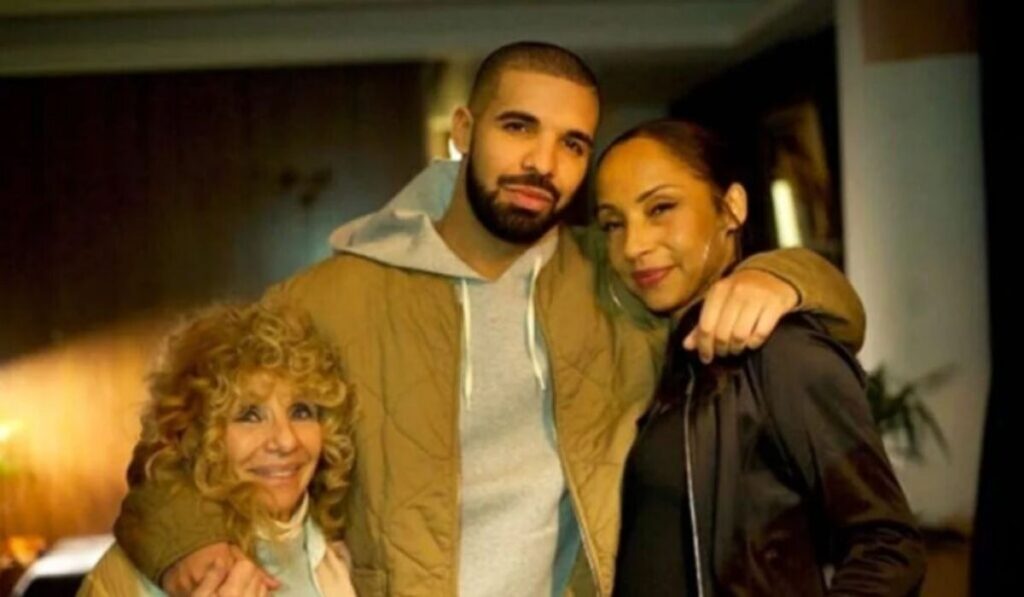
Given that the film centers on a musical icon, sound design and music selection were critical elements. Pliego worked closely with music producers and sound engineers to ensure that Sade Adu’s voice and performances were faithfully represented. The film blends original recordings, live performance recreations, and subtle atmospheric music to immerse audiences in the emotional world of the singer.
The music is not merely a backdrop; it functions as a narrative tool, reflecting the moods, themes, and emotional arcs of the story. Pliego’s careful attention to musical authenticity ensures that the audience experiences the same emotional resonance that Sade Adu’s music evokes, enhancing the overall impact of the film.
Themes and Cultural Significance
The film explores multiple themes, including artistic integrity, resilience, and the intersection of personal identity and public persona. Through Sade Adu’s journey, Pliego addresses issues such as cultural heritage, gender dynamics in the music industry, and the pressures of global fame. By highlighting these themes, the film resonates not just with fans of Sade Adu but with anyone interested in the challenges and triumphs of creative life.
Carlos Scola Pliego’s portrayal of Sade Adu also emphasizes the importance of cultural representation. As a British-Nigerian artist, Sade Adu’s work reflects a fusion of influences, and Pliego’s film celebrates this multicultural identity. The result is a film that is both a personal story and a broader reflection on the power of music and culture to transcend boundaries.
Reception and Impact

Since its release, the film has received critical acclaim for its authenticity, emotional depth, and artistic vision. Critics have praised Pliego’s direction, the lead actor’s performance, and the way the film balances biography with cinematic artistry. Audiences have responded enthusiastically, noting how the film captures the emotional and musical essence of Sade Adu in a way that feels both intimate and expansive.
Beyond critical and commercial reception, the film has sparked conversations about the representation of musical icons in cinema and the importance of storytelling that honors both the public and private dimensions of a subject’s life. Pliego’s work sets a new standard for biographical films, demonstrating how careful research, emotional insight, and visual storytelling can create an experience that resonates deeply with audiences.
Legacy of Carlos Scola Pliego
Carlos Scola Pliego’s work on the Sade Adu film represents a significant milestone in his career. It highlights his dedication to authenticity, his artistic vision, and his ability to tell stories that explore the intersection of music, culture, and human emotion. The film solidifies Pliego’s reputation as a filmmaker capable of transforming musical biographies into compelling cinematic experiences. His legacy will likely inspire future filmmakers to approach biographical storytelling with the same depth, sensitivity, and artistic integrity.
Through this project, Pliego has not only celebrated Sade Adu’s life and career but also demonstrated the power of cinema to bridge music and film, culture and emotion, artistry and audience. His work ensures that the story of Sade Adu will reach new generations, inspiring appreciation for her music and the broader cultural context that shaped it.
Frequently Asked Questions
1. Who is Carlos Scola Pliego?
- Carlos Scola Pliego is a filmmaker known for creating biographical and music-centered films that explore the personal and artistic lives of iconic musicians.
2. What inspired Carlos Scola Pliego to make a film about Sade Adu?
- He was inspired by Sade Adu’s unique musical style, her cultural heritage, and the contrast between her public image and private life, aiming to capture her essence authentically on screen.
3. How did Carlos Scola Pliego research Sade Adu’s life?
- Pliego conducted extensive research including interviews, archival footage, musical analysis, and consultations with people close to Sade Adu to ensure authenticity.
4. What is unique about Carlos Scola Pliego’s cinematic style?
- Pliego blends intimate character-driven storytelling with visually compelling cinematography, using lighting, color, and camera movement to evoke emotion and narrative depth.
5. How has the Sade Adu film been received?
- The film has received critical acclaim for its authenticity, emotional depth, and artistic vision, and has been praised for accurately capturing Sade Adu’s musical and personal essence.