Tech
Top Benefits of Using a Crane Machine for Lifting


A crane machine is a vital piece of equipment used across industries for lifting heavy loads. It operates through various mechanisms, providing an efficient and safe way to transport items from one place to another, often in environments where manual lifting would be impossible or highly dangerous.
What is a Crane Machine?
A crane machine is a large, mechanical device designed to lift, lower, and move heavy loads horizontally. It consists of several components, including a boom, a hoist, and a hook, with the main function of performing lifting tasks efficiently. Cranes can be stationary or mobile, and they are used in a variety of settings, including construction sites, ports, factories, and warehouses.
1. Increased Efficiency
One of the biggest advantages of using a crane machine is the increased efficiency it brings to lifting tasks. Traditional methods, such as manual labor or using simple tools like pulleys, take much more time and effort.
Cranes, on the other hand, are designed to lift and transport loads quickly and smoothly, significantly reducing the amount of time required for a task. This makes cranes essential for large-scale projects where time is crucial.
In a construction setting, for example, cranes can move heavy materials like steel beams, concrete slabs, and construction equipment within seconds, allowing workers to focus on other tasks. Similarly, in ports, cranes can quickly load and unload cargo from ships, ensuring goods reach their destination faster.
2. Enhanced Safety
Lifting heavy objects without proper equipment can be incredibly dangerous. Accidents involving manual lifting can lead to severe injuries, including muscle strains, fractures, and even fatalities. Crane machines, however, are designed with safety features that reduce the risk of such accidents.
For example, most modern cranes are equipped with anti-collision systems, load sensors, and automatic shut-off mechanisms that prevent overloading. These safety features ensure that heavy items are lifted and moved securely, minimizing the chances of accidents on the worksite.
The use of cranes eliminates the need for workers to manually handle heavy objects, reducing the potential for injuries.
3. Ability to Lift Extremely Heavy Loads
Crane machines are specifically built for lifting heavy loads that would be impossible or impractical to move by hand. Many cranes have a lifting capacity ranging from several tons to hundreds of tons, allowing them to handle massive materials such as large steel girders, heavy machinery, and shipping containers.
For instance, tower cranes used in skyscraper construction can lift massive building components to extreme heights.
Similarly, shipping cranes at ports are capable of lifting containers weighing several tons, allowing goods to be loaded and unloaded from ships with ease. Without crane machines, many industries would struggle to move such heavy objects safely and efficiently.
4. Versatility and Adaptability
Another major benefit of crane machines is their versatility. They can be adapted for a variety of lifting tasks across different industries. There are several types of cranes available, each designed for specific purposes.
Some cranes are mounted on trucks or trains for mobility, while others, such as tower cranes, are stationary and used for lifting heavy materials at construction sites.
Cranes can also be customized with different attachments, such as hooks, slings, and grabs, depending on the load being lifted. This makes cranes suitable for use in industries like construction, manufacturing, mining, and shipping, among others.
Whether lifting construction materials, factory equipment, or shipping containers, crane machines provide a versatile solution for handling heavy lifting tasks.
5. Cost-Effectiveness
While purchasing and operating a crane machine can seem costly, the long-term cost benefits often outweigh the initial investment. The primary cost-saving benefit comes from the reduction in labor costs. With cranes, fewer workers are needed to perform heavy lifting tasks, allowing for a more efficient workforce.
Cranes can reduce downtime on construction or manufacturing projects. The ability to move heavy materials quickly and efficiently minimizes delays, leading to more timely project completions. This increased productivity results in lower costs overall.
Moreover, the durability and longevity of cranes make them a good investment. When properly maintained, crane machines can serve for many years, reducing the need for frequent replacements and maintenance costs.
6. Reduced Risk of Damage to Materials
Lifting heavy objects without the proper equipment can lead to damaged materials. Cranes are designed to handle materials with precision, ensuring that the load is lifted and moved without causing any harm. The stability and control offered by crane machines reduce the chances of materials being dropped or mishandled.
For example, when lifting large glass panels or fragile components, crane operators can use special rigging methods to ensure the load is handled delicately. This helps preserve the integrity of the materials, preventing costly damage that could result in project delays or additional expenses.
7. Better Reach and Access
Crane machines are designed to reach high places and hard-to-reach areas where manual lifting would be impossible. Tower cranes, for example, can reach heights of over 200 meters, making them indispensable for high-rise construction projects.
The long boom and lifting capacity of cranes allow them to transport materials to great heights or over large distances.
This extended reach also makes cranes useful for lifting heavy objects in confined spaces. Cranes with specialized attachments, such as crawler cranes or truck-mounted cranes, can maneuver through narrow or cluttered areas, making them ideal for tasks in tight spots where other lifting equipment may not fit.
8. Automation and Technological Advancements
With advancements in technology, crane machines have become more efficient and easier to operate. Many modern cranes are equipped with automated systems that reduce the need for human intervention. These systems can control the crane’s movements with precision, making the lifting process faster and more accurate.
For instance, cranes used in ports often feature automated loading and unloading systems that require minimal human input. This automation not only speeds up the process but also reduces the potential for errors that can occur during manual operation.
The integration of GPS and load monitoring technology also allows for real-time tracking of crane performance and load conditions, further enhancing safety and efficiency.


The tools industry is highly competitive, Sealey B2B Trade Portal and for dealers and distributors, efficient procurement is essential to maintain profitability and meet customer demands. Traditional methods of ordering, inventory management, and trade communication often involve a lot of manual work, delays, and potential errors. Sealey, a renowned supplier of tools and equipment, has addressed these challenges with the sealey b2b trade portal, an online platform designed to simplify and streamline procurement processes for trade customers. This portal provides an innovative solution that saves time, reduces errors, and ensures dealers and distributors have access to the products they need, when they need them.
Understanding the Sealey B2B Trade Portal
The sealey b2b trade portal is a secure online system that allows trade customers to access Sealey’s wide range of tools and equipment in a single, user-friendly platform. Unlike conventional procurement methods that rely on phone calls or email orders, the portal provides real-time access to product availability, pricing, and promotions. This ensures that dealers and distributors can make informed decisions quickly. The portal is designed with the specific needs of trade customers in mind, offering features such as order tracking, bulk ordering, and account management, which significantly improve operational efficiency.
Features and Benefits of the Sealey B2B Trade Portal
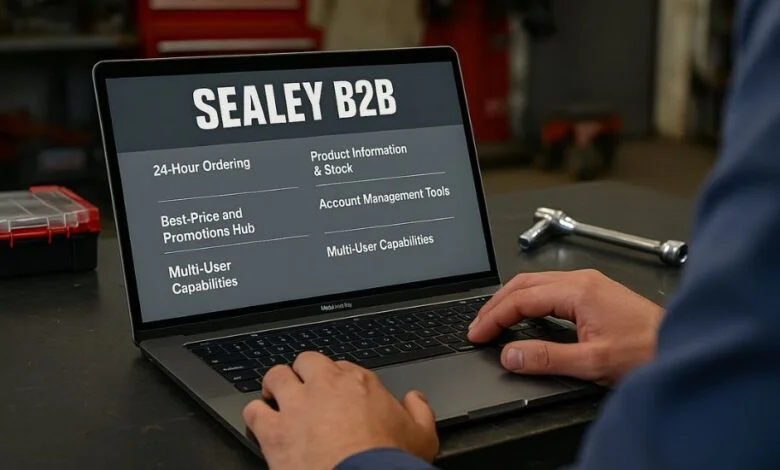
One of the main advantages of the sealey b2b trade portal is its comprehensive feature set. Users can view the complete product catalogue, filter items by category, and access detailed specifications, all from a single interface. The platform also allows for bulk ordering, which is particularly useful for distributors managing multiple locations or large orders. Additionally, the portal provides an automated system for checking stock levels and lead times, ensuring that customers do not face unexpected delays. By centralizing all trade-related activities, the portal reduces administrative workload and improves order accuracy, which is critical in a fast-paced tools industry.
Improving Efficiency in Procurement Processes
Efficiency is at the heart of the sealey b2b trade portal. For dealers and distributors, time is money, and minimizing delays in procurement can have a direct impact on profitability. By providing a single point of access to product information and order management tools, the portal eliminates the need for multiple phone calls or emails with sales representatives. Orders can be placed quickly, confirmed instantly, and tracked through the delivery process. This level of efficiency helps trade customers maintain optimal stock levels, reduce downtime, and respond promptly to their own clients’ needs.
Enhancing Communication Between Sealey and Trade Customers
The sealey b2b trade portal also strengthens communication between Sealey and its trade partners. The portal allows for direct notifications regarding new product launches, special promotions, and updates on order status. This ensures that dealers and distributors are always informed about the latest offerings and can take advantage of discounts or limited-time deals. In an industry where timely information is crucial, having a centralized communication channel reduces misunderstandings and improves overall collaboration between Sealey and its trade customers.
Streamlining Bulk Orders for Dealers
For distributors handling multiple retail outlets, bulk ordering is a routine yet complex task. The sealey b2b trade portal simplifies this process by allowing users to place large orders efficiently. The portal supports features such as order templates, saved shopping lists, and quick reorder options. This eliminates repetitive data entry and reduces the chances of human error, which is especially important when managing high-volume orders. By making bulk ordering seamless, the platform ensures that dealers can meet demand consistently and maintain a competitive edge in their markets.
Real-Time Access to Stock and Pricing
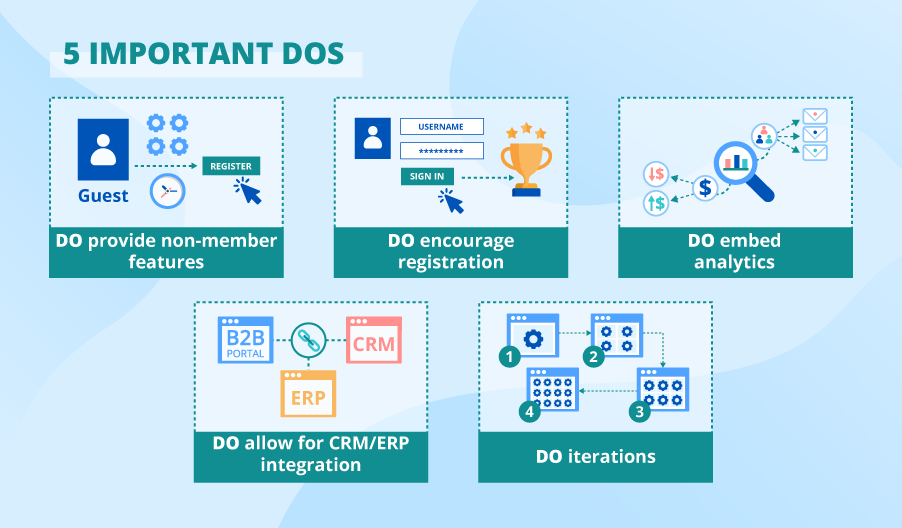
One of the key benefits of the sealey b2b trade portal is its real-time visibility into stock levels and pricing. Trade customers no longer need to wait for confirmation emails or phone calls to know whether a product is available. The portal updates product availability continuously, providing accurate information at the time of order. This transparency helps dealers plan their purchases more effectively, avoid overstocking or understocking, and optimize their inventory management strategies. Real-time pricing information also allows distributors to calculate margins and plan promotions with greater confidence.
Simplifying Account Management
Account management can be time-consuming for trade customers, especially when dealing with multiple invoices, delivery addresses, and payment terms. The sealey b2b trade portal centralizes all account-related tasks, making it easier for dealers and distributors to manage their trade accounts. Users can view past orders, track outstanding invoices, update contact details, and manage delivery preferences all in one place. This streamlined approach reduces administrative burden and provides trade customers with greater control over their business operations.
Supporting Growth for Dealers and Distributors
The sealey b2b trade portal is not just a tool for improving operational efficiency; it also supports growth for dealers and distributors. By enabling faster procurement, better inventory control, and access to a wider range of products, the portal helps trade customers expand their offerings and meet the needs of a larger customer base. Additionally, the platform provides insights into ordering patterns and product popularity, allowing dealers to make data-driven decisions about stock and promotions. This capability is particularly valuable for small and medium-sized distributors looking to compete with larger players in the tools industry.
Ensuring Security and Reliability
Security is a top priority for trade customers using the sealey b2b trade portal. The platform is designed with robust security measures to protect sensitive business information, including payment details, customer data, and order history. Additionally, the portal is reliable and built to handle high volumes of orders without downtime, ensuring that dealers and distributors can rely on it as a critical part of their procurement process. Knowing that their transactions and data are secure gives trade customers peace of mind and allows them to focus on growing their businesses.
Future Innovations and Expansion
Sealey continues to invest in the sealey b2b trade portal to meet the evolving needs of the tools industry. Future enhancements may include advanced analytics, predictive stock recommendations, and integration with third-party inventory management systems. By continuously improving the platform, Sealey ensures that dealers and distributors remain competitive and can leverage the latest technology to optimize their operations. The portal represents not just a digital ordering system, but a long-term solution for building stronger trade partnerships and enhancing supply chain efficiency.
FAQ
1. What is the Sealey B2B trade portal?
- The Sealey B2B trade portal is an online platform that allows dealers and distributors to access Sealey’s products, pricing, and stock information in real-time. It streamlines procurement, bulk ordering, and account management for trade customers.
2. Who can use the Sealey B2B trade portal?
The portal is designed for registered trade customers, including dealers, distributors, and resellers who work with Sealey. It is not intended for individual retail consumers.
3. How does the portal improve order efficiency?
By providing real-time product information, bulk ordering capabilities, and automated account management, the portal reduces the need for manual communication and minimizes errors, enabling faster and more accurate order processing.
4. Can I track my orders through the Sealey B2B trade portal?
Yes, the portal allows users to track the status of their orders from placement to delivery, ensuring transparency and improved planning for inventory management.
5. Is the Sealey B2B trade portal secure?
Absolutely. The portal is built with strong security measures to protect sensitive business information, including payment details and customer data, making it a reliable platform for trade transactions.

Electronic Vision is an innovative technology designed to replicate, enhance, or analyze human sight using electronic devices. It bridges the gap between human perception and machine intelligence, allowing systems to interpret visual data in ways previously limited to human eyes. This technology has evolved rapidly in recent years, moving from basic imaging systems to complex applications that integrate artificial intelligence, deep learning, and sensor fusion. Its impact is now visible across various industries, ranging from healthcare and automotive sectors to entertainment and home devices. For everyday users, understanding Electronic Vision can reveal how these technologies improve safety, productivity, and accessibility in daily life.
The Science Behind Electronic Vision
At the core of Electronic Vision are sensors, cameras, and processors that work together to capture, analyze, and display visual information. Cameras act as electronic eyes, detecting light, color, and motion, while sensors gather supplementary data such as depth and orientation. The real intelligence comes from processing units that interpret this data using sophisticated algorithms. Artificial intelligence enhances this capability by identifying patterns, recognizing objects, and even predicting movements. Unlike conventional cameras that only record images, Electronic systems can transform visual information into actionable insights, which is particularly useful for tasks requiring precision and speed.
Everyday Applications of Electronic Vision
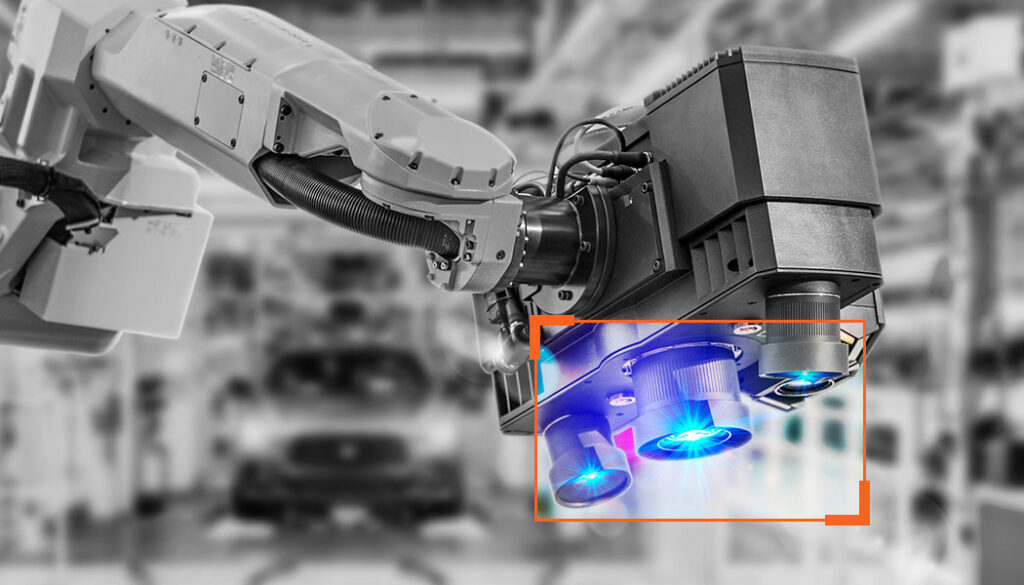
Electronic Vision has found its way into multiple applications that affect daily life in subtle yet significant ways. In healthcare, for instance, Electronic is used in diagnostic imaging, surgical guidance, and patient monitoring systems. In the automotive industry, advanced driver-assistance systems (ADAS) rely on Electronic to detect pedestrians, lane markings, and obstacles, enhancing safety on the road. Home security systems use these technologies to detect unusual movements and alert homeowners instantly. Even in entertainment, Electronic contributes to augmented reality experiences, allowing interactive games and apps to respond to real-world movements accurately. These applications illustrate how Electronic has become an indispensable part of modern life.
Electronic Vision in Healthcare
Healthcare is one of the most impactful areas for Electronic Vision. Imaging technologies such as MRI, CT scans, and digital X-rays rely on precise visual data interpretation. With Electronic, doctors can detect abnormalities faster and more accurately, improving diagnosis and treatment. Surgical robots equipped with Electronic provide surgeons with enhanced visualization of delicate procedures, reducing risks and improving patient outcomes. Additionally, wearable devices use vision-based systems to monitor vital signs and detect potential health issues, allowing timely medical intervention. The integration of Electronic in healthcare is reshaping the way medical professionals understand and respond to patient needs.
Enhancing Safety with Electronic Vision
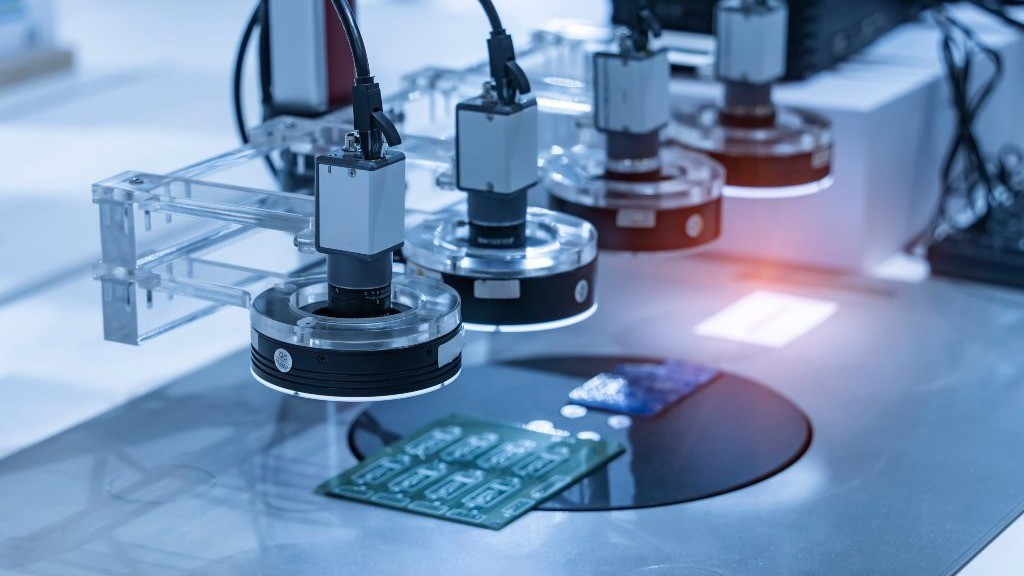
Safety is another domain where Electronic Vision plays a critical role. Advanced driver-assistance systems in vehicles use cameras and sensors to monitor the environment, alert drivers to hazards, and even take corrective actions such as braking or steering adjustments. In industrial environments, Electronic helps monitor machinery, detect potential malfunctions, and ensure workplace safety. Security systems also benefit, as cameras equipped with vision processing can identify unauthorized access, track intruders, and provide real-time alerts. By providing enhanced situational awareness, Electronic Vsion helps prevent accidents and protects both people and property.
The Role of Artificial Intelligence in Electronic Vision
Artificial intelligence is central to the effectiveness of Electronic Vision. Machine learning algorithms enable systems to recognize objects, detect patterns, and adapt to changing environments. For example, AI-powered Electronic in autonomous vehicles allows cars to navigate complex traffic situations by recognizing other vehicles, pedestrians, and traffic signals. Similarly, in retail, Electronic systems can analyze customer behavior, track product interactions, and optimize store layouts. The integration of AI ensures that Electronic systems do not just see the world—they understand it, which significantly expands the technology’s potential applications.
Electronic Vision in Consumer Electronics
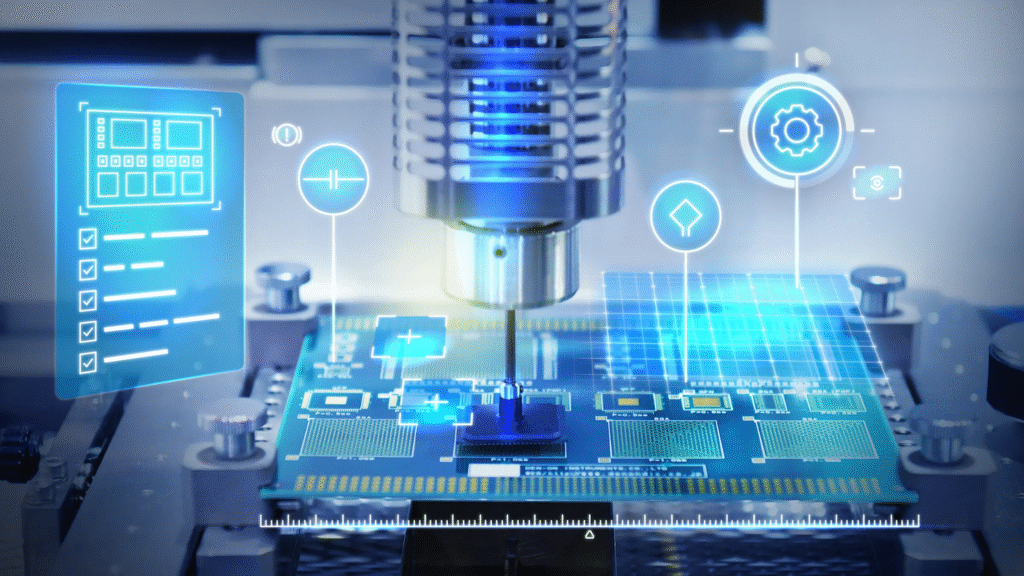
Consumer electronics have embraced Electronic Vision to improve user experience. Smartphones and cameras now use vision systems for facial recognition, augmented reality features, and image stabilization. Smart home devices rely on Electronic to automate lighting, security, and environmental monitoring based on user presence. Gaming consoles and virtual reality systems use these technologies to track player movements and provide immersive experiences. By embedding Electronic into everyday gadgets, technology companies are making life more convenient, interactive, and secure for consumers worldwide.
Challenges and Limitations of Electronic Vision
Despite its advantages, Electronic Vision faces several challenges. One of the main issues is the processing power required to analyze large amounts of visual data in real time. High-resolution imaging and complex algorithms demand substantial computing resources, which can be costly and energy-intensive. Privacy concerns also arise, particularly in applications like surveillance, facial recognition, and data collection. Furthermore, environmental factors such as low light, fog, or extreme weather can reduce the accuracy of vision systems. Addressing these limitations is critical for ensuring that Electronic can continue to expand safely and effectively in both consumer and industrial applications.
Future Trends in Electronic Vision
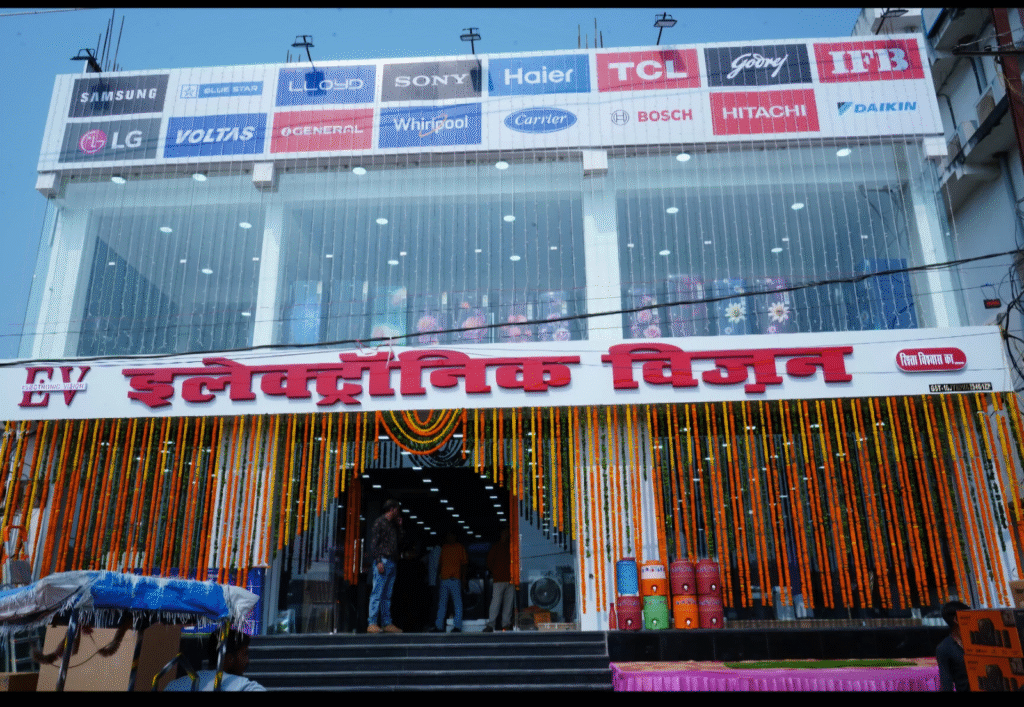
The future of Electronic Vision looks promising, with ongoing advancements likely to expand its capabilities further. Emerging technologies such as edge computing, neural networks, and quantum computing are expected to enhance processing speed and accuracy. Integration with the Internet of Things (IoT) will allow Electronic systems to communicate seamlessly with other devices, creating smarter homes, cities, and workplaces. Additionally, improvements in miniaturization and energy efficiency will make Electronic more accessible in smaller devices and wearable technologies. As innovation continues, Electronic is poised to become an even more integral part of daily life, transforming how humans interact with the world around them.
Conclusion
Electronic Vision is no longer just a futuristic concept—it is an active part of modern technology that enhances human capabilities and improves daily life. From healthcare to consumer electronics, safety to entertainment, the applications of Electronic are diverse and growing. By combining intelligent sensors, powerful algorithms, and artificial intelligence, this technology transforms the way machines perceive and interpret the world. For everyday users, understanding Electronic offers insight into the tools and devices they interact with daily, highlighting the profound impact this technology has on convenience, safety, and efficiency.
Frequently Asked Questions
1. What is Electronic Vision?
- Electronic Vision is a technology that uses sensors, cameras, and AI to capture, interpret, and respond to visual information, enhancing or replicating human vision.
2. Where is Electronic Vision used?
- Electronic Vision is used in healthcare, automotive safety systems, consumer electronics, security systems, and entertainment applications.
3. How does Artificial Intelligence improve Electronic Vision?
- AI allows Electronic Vision systems to recognize objects, detect patterns, and predict movements, making the technology smarter and more responsive.
4. Can Electronic Vision systems work in low-light conditions?
- Yes, many Electronic Vision systems incorporate infrared sensors and image enhancement algorithms to function effectively in low-light or challenging environments.
5. What are the future trends in Electronic Vision?
- Future trends include integration with IoT, edge computing, miniaturization, and more energy-efficient designs, expanding its use in everyday devices.
Renting out a property can be a complex and time-consuming process for landlords, especially in competitive markets. From attracting the right tenants to ensuring all legal requirements are met, the tasks can quickly become overwhelming. A Mietmakler, or rental agent, is a professional who specializes in assisting property owners in renting out their properties efficiently and effectively. By utilizing their knowledge of the rental market, marketing expertise, and legal know-how, Mietmaklers make it possible for landlords to secure tenants faster while minimizing stress and reducing potential risks associated with renting property. Mietmakler They act as a bridge between landlords and prospective tenants, streamlining communication and ensuring a smoother rental experience for both parties.
Understanding the Role of a Mietmakler

The role of a Mietmakler extends far beyond simply finding a tenant. Mietmaklers provide a full spectrum of services that include advertising properties, conducting viewings, screening applicants, handling rental agreements, and advising landlords on market trends and pricing strategies. Their goal is to match landlords with tenants who are reliable, financially stable, and a good fit for the property. Mietmaklers are also familiar with local regulations regarding rental properties, ensuring that all contracts and agreements are legally sound. By managing these complex aspects, Mietmaklers save landlords valuable time and help avoid common pitfalls that can occur when renting a property independently.
How a Mietmakler Saves Time for Landlords
One of the most immediate benefits of hiring a Mietmakler is the significant amount of time saved during the rental process. Marketing a property, coordinating viewings, vetting potential tenants, and negotiating rental terms can be overwhelming for someone who is also managing other responsibilities. A Mietmakler takes over these tasks entirely, from drafting advertisements and scheduling appointments to communicating with prospective tenants and processing applications. By outsourcing these duties to a professional, landlords can focus on other priorities while still ensuring their property is rented quickly and efficiently. This time-saving advantage is particularly valuable in high-demand areas where the speed of renting a property can make a substantial financial difference.
Effective Marketing Techniques by Mietmaklers

Marketing is a crucial component in renting out a property successfully, and Mietmaklers are experts in this area. They employ a range of strategies designed to maximize visibility and appeal to suitable tenants. This includes professional photography, detailed and compelling property descriptions, targeted online listings, and the use of social media platforms to reach a wider audience. Mietmaklers understand the importance of presenting a property in the best possible light, highlighting unique features that can make it stand out among competing rentals. Additionally, they can advise on minor improvements or staging techniques that may increase the property’s attractiveness and speed up the rental process.
Tenant Screening and Selection Process
One of the most critical services a Mietmakler provides is thorough tenant screening. Securing reliable tenants is essential to maintaining the property and ensuring consistent rental income. Mietmaklers typically conduct background checks, credit assessments, employment verification, and reference checks to evaluate each applicant’s suitability. They look for tenants who demonstrate financial stability, reliability, and responsibility, reducing the risk of late payments, property damage, or tenancy disputes. By handling this screening process professionally, Mietmaklers provide landlords with peace of mind, ensuring the property is occupied by tenants who are likely to maintain the property and adhere to rental agreements.
Legal Expertise and Handling Rental Contracts

Rental agreements involve various legal requirements and obligations that landlords must follow. A Mietmakler possesses expertise in local and national rental laws, ensuring that contracts are compliant and protect the landlord’s interests. They can advise on security deposits, notice periods, tenant rights, and clauses that may prevent potential disputes. By managing these legal aspects, Mietmaklers reduce the likelihood of misunderstandings or conflicts between landlords and tenants. This expertise is particularly valuable for first-time property owners or those unfamiliar with the legal complexities of rental agreements, as it allows them to avoid costly mistakes and potential legal challenges.
Reducing Vacancy Periods
Vacancy periods can lead to significant financial losses for property owners. A Mietmakler focuses on minimizing these periods by quickly matching properties with suitable tenants. Their market knowledge, advertising strategies, and efficient tenant screening processes help ensure that a property does not remain unoccupied for long. By reducing vacancy periods, Mietmaklers enable landlords to maintain steady cash flow and maximize the profitability of their property. In competitive rental markets, the ability to rent a property quickly can be a decisive factor in overall investment success, making Mietmaklers an essential partner for property owners.
Pricing Strategy and Market Insights

Setting the right rental price is key to attracting tenants while optimizing income. Mietmaklers use their experience and knowledge of local rental trends to recommend competitive rental rates. They consider factors such as property location, size, condition, and demand in the area to determine an optimal price. Overpricing can lead to extended vacancy periods, while underpricing may reduce potential income. A Mietmakler ensures that properties are priced appropriately to attract tenants quickly while maximizing revenue. These insights are especially beneficial for landlords who may be unfamiliar with the dynamics of their local rental market.
Ongoing Support and Property Management
Many Mietmaklers provide ongoing support beyond the initial rental process. This can include coordinating property maintenance, handling tenant communications, managing rent collection, and conducting regular inspections. By offering these services, Mietmaklers help landlords maintain their properties in good condition and ensure tenant satisfaction. This comprehensive support reduces stress and frees landlords from day-to-day management responsibilities, making property ownership a more passive and manageable investment. For landlords with multiple properties, this level of professional support can be invaluable in keeping their portfolio well-maintained and profitable.
Conclusion
Hiring a Mietmakler offers numerous advantages for landlords seeking to rent out their properties efficiently. From marketing and tenant screening to legal expertise and ongoing support, Mietmaklers provide a comprehensive service that ensures properties are rented quickly and securely. By leveraging their knowledge and skills, landlords can reduce vacancy periods, attract reliable tenants, and optimize rental income. Whether you are a first-time property owner or an experienced investor, partnering with a Miet-makler is a smart strategy for a stress-free, profitable rental experience. The professional guidance and market insights provided by Miet-maklers make them an indispensable resource in today’s competitive rental market.
FAQ – Miet-makler
1. What is a Miet-makler?
- A Miet-makler is a professional rental agent who assists landlords in renting out their properties by managing marketing, tenant selection, and legal aspects of rental agreements.
2. How can a Miet-makler help me rent my property faster?
- By using professional marketing strategies, tenant screening, and market insights, a Miet-makler increases visibility, attracts suitable tenants quickly, and reduces vacancy periods.
3. Are Miet-makler services expensive?
- Fees vary depending on the service and location, but the time saved, reduced vacancies, and professional expertise often make hiring a Miet-makler cost-effective.
4. Can a Miet-makler handle legal rental agreements?
- Yes, Miet-maklers are knowledgeable about rental laws and ensure that contracts comply with legal requirements, protecting both landlords and tenants.
5. Does a Miet-makler manage property maintenance?
- Many Miet-maklers offer ongoing support including maintenance coordination, inspections, and tenant communication to keep properties well-maintained.

Zooey Deschanel’s Amazing Journey: 10 Inspiring Career Facts, Movies, Music, Family & Success Story

Danielle Olivera Age: Amazing Biography, Career Success & Inspiring Life Story 2026

Darrell Britt-Gibson Biography: Career, Movies, TV Shows & Success Story 2026

The Untold Story of Pamela Schein Murphy: Life with Chef Marc Murphy

Where to Buy the Best Cheata Online
