
Celebrity
Who is América Guinart? The Untold Story of Alejandro Fernández’s Ex-Wife


Human lives often unfold in layers, and the public rarely sees the full picture. América Guinart is widely recognized due to her connection with the celebrated Mexican singer Alejandro Fernández, yet her identity stretches far beyond that association. She is a mother, an individual with her own journey, and a private person who chose to live away from constant media attention.
The narrative surrounding América Guinart has often focused on her relationship with Fernández, but such a limited perspective does not do justice to her life. Like many individuals connected to famous personalities, she experienced public curiosity, assumptions, and speculation. However, the essence of her story lies in understanding who she is beyond headlines—her values, her role as a parent, and her quiet resilience.
This article explores her background, relationship history, and life after separation, offering an informative and humanized perspective. Rather than relying on rumors, we focus on facts and meaningful insights.
Quick Bio
| Attribute | Details |
|---|---|
| Full Name | América Guinart |
| Known For | Relationship with Alejandro Fernández |
| Profession | Private individual, business interests |
| Nationality | Mexican |
| Children | Yes |
| Public Presence | Limited |
The Early Life of América Guinart
América Guinart was born and raised in Mexico, growing up in a culturally rich environment that shaped her worldview. While specific details about her early years remain private, it is evident that family and personal growth were central to her upbringing. Many individuals who later enter public conversations prefer to keep their formative experiences away from media scrutiny, and Guinart is no exception.
Her background helped cultivate independence and strength—qualities that would later support her in navigating the complexities of public life. Unlike many celebrities or public figures, she did not actively pursue fame. Instead, she focused on living authentically and prioritizing meaningful relationships.
Understanding her early life is important because it provides context. People are shaped by their experiences, and Guinart’s journey reflects a balance between private aspirations and the realities of being associated with a well-known figure.
Meeting Alejandro Fernández and Their Relationship

The relationship between América Guinart and Alejandro Fernández attracted attention due to Fernández’s growing reputation as a musical artist. At the time, he was establishing himself as one of Mexico’s most recognized singers, celebrated for his contributions to traditional and contemporary Latin music.
Romantic relationships often evolve in ways that outsiders cannot fully comprehend. While their marriage symbolized love and commitment, it also came with unique challenges. Public interest in Fernández’s career meant that their personal lives occasionally became topics of discussion.
Despite these circumstances, their relationship produced significant moments of joy and family bonding. They became parents, sharing responsibilities and experiences that shaped their lives. Parenthood often creates a strong foundation, and for Guinart, raising her children remained a central priority.
Marriage to a public figure can be demanding. Media attention, expectations, and external opinions sometimes influence personal dynamics. However, the details of their relationship are ultimately private, and understanding it requires respect for boundaries.
Motherhood and Family Life
One of the most meaningful aspects of América Guinart’s life is motherhood. She has consistently prioritized her children, ensuring they grow up with stability and emotional support. Parenting in any circumstance requires dedication, but doing so while connected to public life adds additional complexities.
Her approach to motherhood reflects her values. Rather than seeking constant public recognition, she focused on nurturing a supportive environment for her family. This decision demonstrates emotional strength and commitment.
Children often shape a parent’s perspective, and Guinart’s experiences as a mother likely influenced her outlook on life. The responsibilities of parenting encourage growth, patience, and resilience—qualities that define her journey.
Family remains a cornerstone of her identity. Even after her separation from Fernández, she maintained close relationships with her children, emphasizing the importance of love and guidance.
Life After Separation
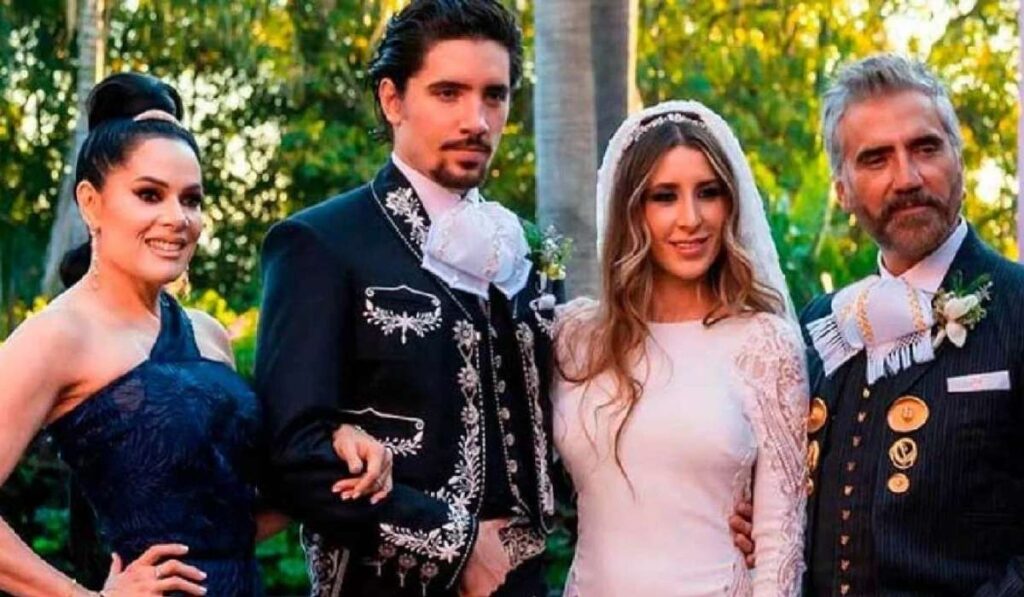
Separations are rarely simple. They involve emotional adjustments and new beginnings. When América Guinart and Alejandro Fernández decided to part ways, both individuals faced changes in their personal lives.
Public separations often attract attention, but the individuals involved deserve privacy and understanding. Relationships evolve, and decisions are made based on circumstances that outsiders may not fully grasp.
For Guinart, life after separation became an opportunity for personal growth. She continued to focus on her family and private endeavors, choosing a path that aligned with her values. Rather than seeking media attention, she embraced a quieter existence.
This decision highlights an important lesson: fulfillment does not depend on public validation. Many people find meaning in personal achievements and relationships rather than external recognition.
Public Perception and Media Narratives
The way public figures are portrayed in media can influence perception. In the case of América Guinart, much of the conversation surrounding her has centered on her past relationship with Fernández. However, reducing her identity to that single aspect overlooks her individuality.
Media narratives often simplify complex lives. People are more than their relationships or public associations. Guinart’s story includes motherhood, personal growth, and experiences that deserve recognition.
Understanding this perspective encourages empathy. Rather than focusing on speculation, it is valuable to appreciate individuals as whole human beings with unique journeys.
Her Life Away from the Spotlight

Unlike many individuals connected to celebrity culture, América Guinart chose to live away from constant public attention. This decision reflects a preference for privacy and normalcy.
Living outside the spotlight allows for personal freedom. It enables individuals to focus on family, personal interests, and meaningful relationships without external pressures. Guinart’s choice demonstrates that a fulfilling life does not require fame.
Many people admire public figures from a distance, but it is equally important to respect their boundaries. Privacy is a fundamental right, and individuals should have control over how their stories are shared.
Lessons from América Guinart’s Journey
The story of América Guinart offers valuable insights. It reminds us that human lives are multifaceted and cannot be defined by a single relationship or public association. She represents resilience, motherhood, and the pursuit of personal authenticity.
Her journey also highlights the importance of empathy. Public narratives often simplify complex experiences, but understanding requires looking beyond surface-level assumptions.
Every individual has a story worth acknowledging. Guinart’s life demonstrates that strength and purpose can be found in private moments as well as public achievements.
The Importance of Respect and Understanding
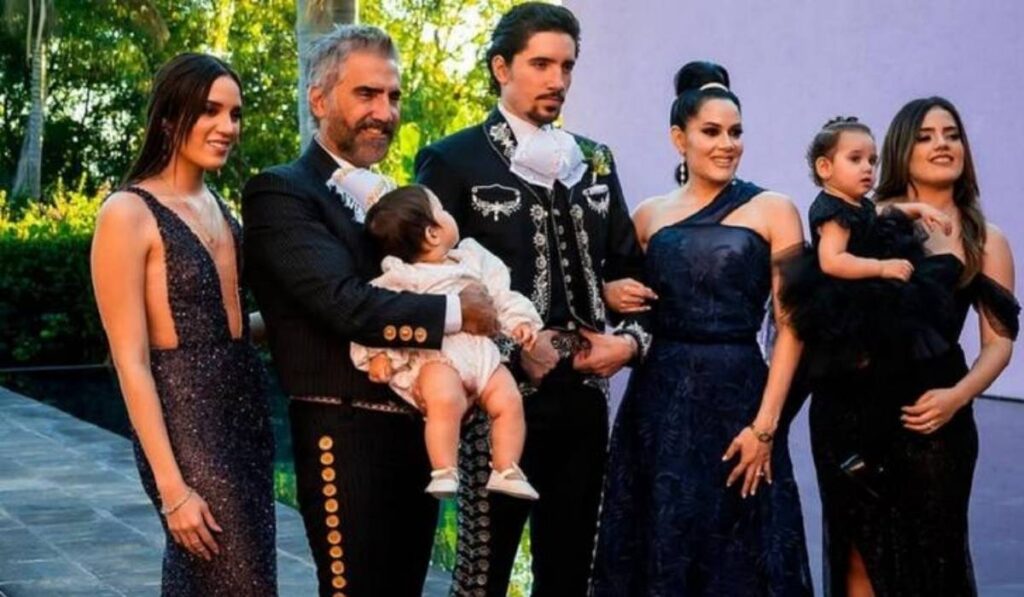
When discussing public figures, it is essential to approach conversations with respect. Speculation and judgment rarely contribute to meaningful understanding. Instead, focusing on facts and human experiences fosters empathy.
América Guinart has chosen a life that prioritizes family and privacy. This decision deserves recognition. Not everyone seeks constant visibility, and personal happiness often comes from quieter, more intimate experiences.
By appreciating diverse paths in life, we develop a broader perspective. People define success in different ways, and there is value in all authentic journeys.
Conclusion
The life of América Guinart illustrates the complexity of human experiences. While her association with Alejandro Fernández brought public attention, her identity extends far beyond that connection. She is a mother, an individual with personal growth, and a private person who values authenticity.
Understanding her story encourages empathy and deeper reflection. Public narratives often capture only fragments of reality, but true understanding requires looking at the whole picture.
FAQs
1 What is América Guinart known for?
América Guinart is known for her past relationship with singer Alejandro Fernández and her role as a mother.
2 Is América Guinart a public figure?
She is not a traditional public figure and prefers a private life.
3 Did América Guinart and Alejandro Fernández have children?
Yes, they have children together.
4 What does América Guinart do now?
She maintains a private life and focuses on personal and family matters.
5 Why is América Guinart often discussed?
Her association with a famous musician brought public interest, but her life extends beyond that narrative.
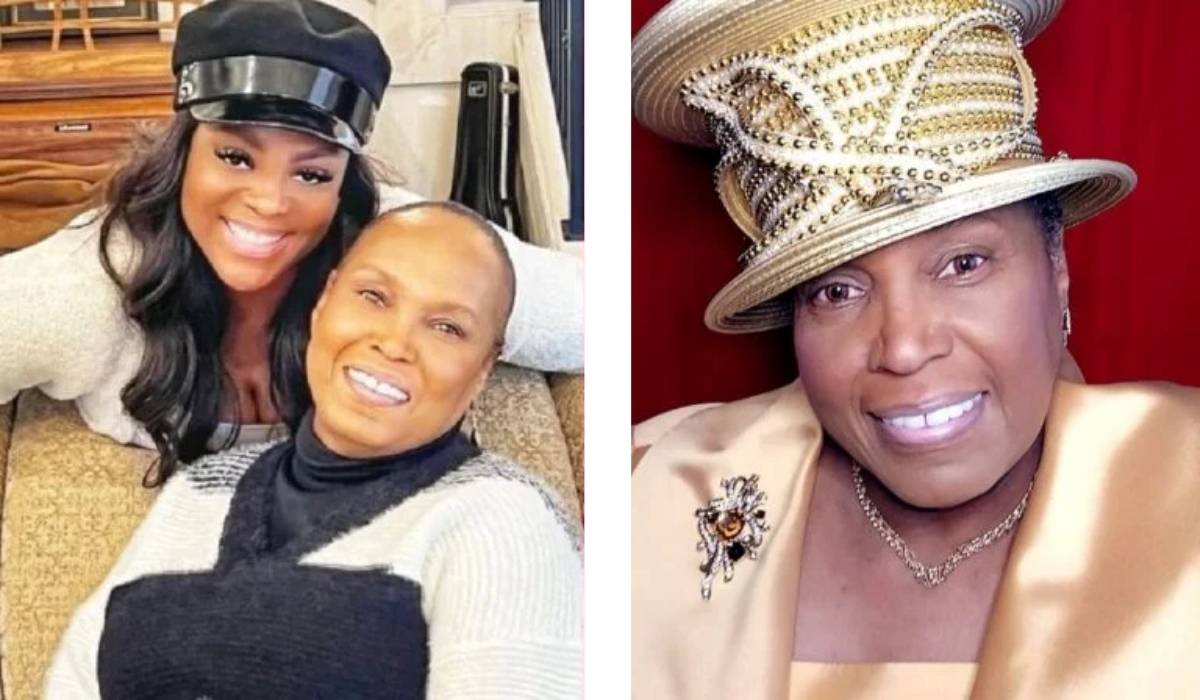
Shirley Kyles is a name that often surfaces in conversations about the legendary soul music era because of her connection to one of the most iconic voices in music history. Yet, beyond that association, her life remains largely private and misunderstood. Many people know her only as the former spouse of Al Green, but there is far more to her story than headlines and rumors.
Shirley Kyles lived a life that intersected with fame but was not defined by it. While her marriage brought public attention, she remained a person with her own experiences, struggles, and personal growth. This article explores her background, her time with Al Green, and what is known about her life beyond the spotlight.
Quick Bio
| Detail | Information |
|---|---|
| Name | Shirley Kyles |
| Known For | Marriage to Al Green |
| Public Life | Private |
| Profession | Not publicly documented |
| Current Status | Private individual |
Early Life and Background of Shirley Kyles
Shirley Kyles was born into a world far removed from the glitz and glamour of celebrity culture. Details about her early years remain scarce because she has always valued privacy. Unlike many individuals associated with famous personalities, she never actively sought public recognition.
Her upbringing shaped the person she became—someone who valued personal dignity and discretion. While much of her life remains undocumented, it is clear that she navigated challenges and opportunities like anyone else. The absence of extensive public records about her early life suggests that she preferred to stay out of the media’s constant attention.
This choice reflects a broader reality about individuals linked to celebrities: not everyone desires fame, and some prefer to lead quiet lives. Shirley Kyles exemplifies this perspective, demonstrating that a person’s worth is not determined by public visibility.
Meeting Al Green and Their Relationship

The relationship between Shirley Kyles and Al Green became a significant chapter in her life. Al Green, known for timeless hits and a profound influence on soul music, was already a major public figure when they met.
Their relationship eventually led to marriage, a union that brought both joy and challenges. Being married to a celebrity often means living under constant scrutiny, and Shirley Kyles experienced that reality firsthand. Media coverage and public interest in their relationship placed pressure on their personal lives.
Despite these challenges, their marriage represented a meaningful period for both individuals. Relationships involving public figures are often complicated by external expectations, and theirs was no exception. However, it is important to recognize that marriages are personal journeys, not just subjects of public discussion.
Life as Al Green’s Wife
Being married to a world-renowned musician came with unique experiences. Shirley Kyles was often seen at public events and within the music industry’s social circles. However, she maintained a relatively low profile, avoiding excessive media exposure.
This choice highlights an important aspect of her character: she prioritized personal privacy. While some individuals embrace public attention, others prefer to live away from constant scrutiny. Shirley Kyles belonged to the latter group.
Her life during this period was shaped by both opportunities and difficulties. Navigating a relationship with a famous artist involves complexities that outsiders may not fully understand. Public perception often simplifies such relationships, but reality is far more nuanced.
The End of Their Marriage

Eventually, the marriage between Shirley Kyles and Al Green came to an end. Like many relationships, it faced challenges that could not be resolved. Divorce is a difficult experience for anyone, and it marked a turning point in her life.
After the separation, Shirley Kyles continued to live privately. She did not pursue media attention or public commentary about her former marriage. This decision reflects her preference for a life away from public debate.
Divorce does not define a person’s entire story. For Shirley Kyles, it was one chapter among many. Her experiences demonstrate resilience and the ability to move forward despite personal challenges.
Life After the Spotlight
Following her marriage, Shirley Kyles remained largely out of the public eye. Unlike some individuals connected to famous personalities, she did not seek opportunities in entertainment or media. Instead, she focused on her personal life.
This choice underscores an important truth: not everyone desires fame. While public attention can bring opportunities, it also comes with pressures and limitations. Shirley Kyles chose a different path, emphasizing personal fulfillment over public recognition.
Her post-marriage life remains private, which is consistent with her overall approach to fame. Respecting this privacy is essential when discussing individuals whose lives intersect with public figures.
Misconceptions and Public Perception

Because information about Shirley Kyles is limited, misconceptions often arise. Some people reduce her identity to her relationship with Al Green, ignoring her individuality. This perspective overlooks the complexity of human lives.
Public perception can be influenced by incomplete information. Media narratives often focus on dramatic aspects of relationships rather than personal realities. Shirley Kyles’ story reminds us that individuals deserve to be understood beyond simplified labels.
Recognizing her humanity means acknowledging that she is more than a historical footnote. Like everyone, she has a unique story shaped by experiences, choices, and personal growth.
The Importance of Privacy
One of the defining aspects of Shirley Kyles’ life is her commitment to privacy. In an era where personal information is often widely shared, her discretion stands out. She has chosen to live without constant public exposure.
Privacy is a fundamental right, and not everyone wishes to be in the spotlight. Shirley Kyles’ decision to maintain a low profile deserves respect. Her life demonstrates that personal fulfillment does not require public validation.
This perspective is increasingly relevant in modern society. Many individuals value boundaries and the ability to control their own narratives. Shirley Kyles exemplifies this approach.
Legacy and Significance
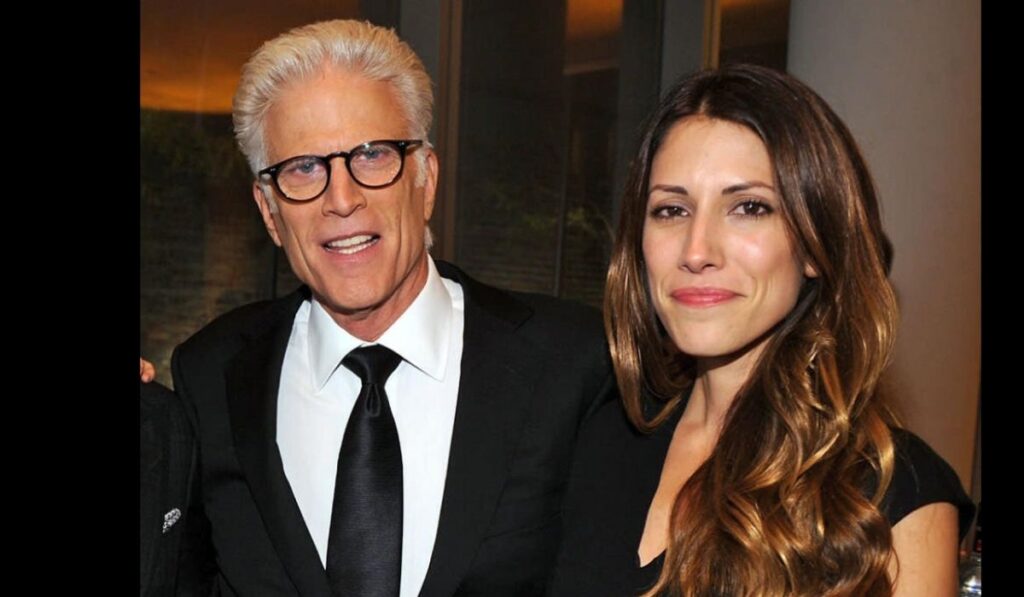
While Shirley Kyles may not be a household name, her life holds significance. She represents the experiences of individuals connected to public figures who navigate unique challenges. Their stories often remain untold, yet they contribute to broader cultural understanding.
Her relationship with Al Green is part of music history, but her personal journey is equally important. Recognizing this balance allows for a more complete perspective.
Legacy is not solely about public achievements. It also includes the ways individuals impact those around them and live according to their values. Shirley Kyles’ legacy reflects dignity and personal strength.
Conclusion
Shirley Kyles remains a private figure whose life intersected with fame but was not defined by it. Her story illustrates the complexities of relationships with public figures and the importance of respecting personal boundaries.
While much about her life remains unknown, what is clear is that she valued privacy and personal growth. Her experiences remind us that every individual has a story worth understanding beyond surface-level assumptions.
FAQs
1. What is Shirley Kyles known for?
She is known for being the former wife of Al Green and maintaining a private life away from public attention.
2. Did Shirley Kyles remain in the public eye?
No, she chose to live a private life after her marriage ended.
3. How long was Shirley Kyles married to Al Green?
Their marriage lasted several years before ending in divorce.
4. What is Shirley Kyles doing now?
Her current life remains private, and little public information is available.
5. Why is Shirley Kyles’ story significant?
Her story highlights the experiences of individuals connected to public figures and the importance of personal privacy.
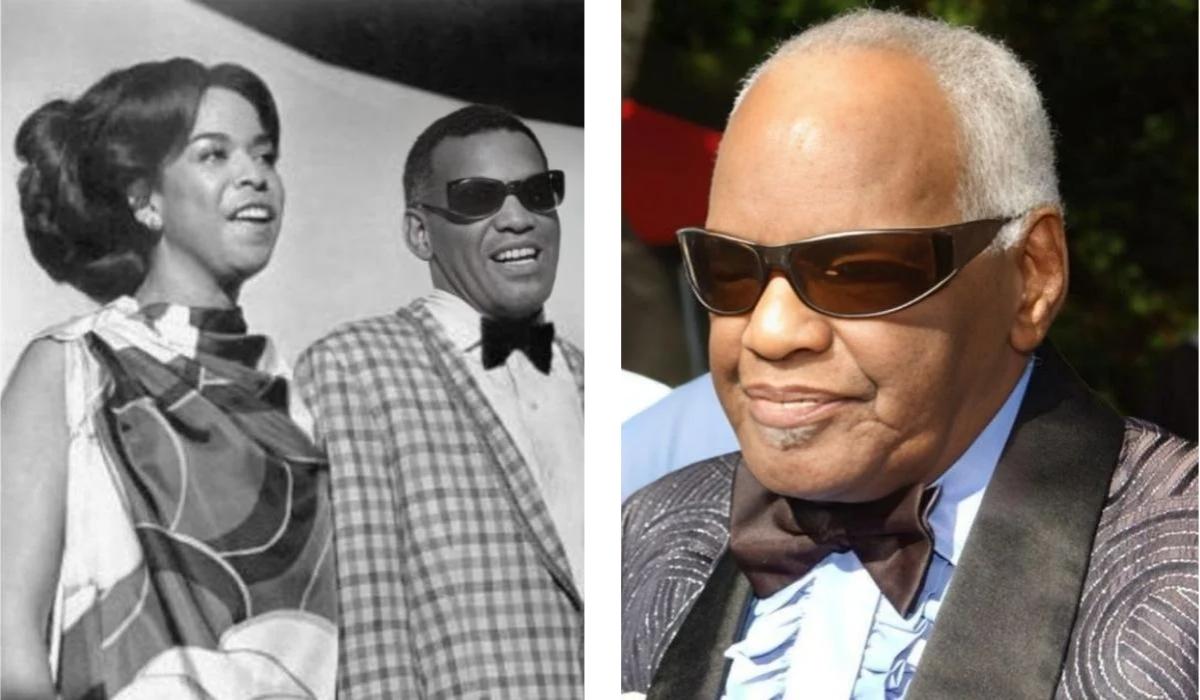
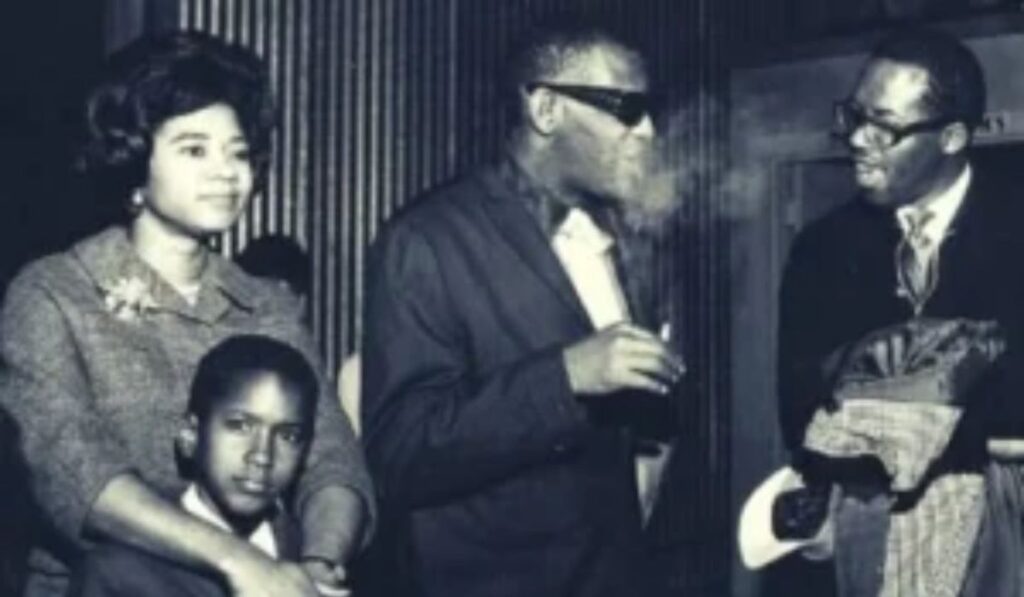
The life of Della Beatrice Howard Robinson remains one of the lesser-discussed chapters in music history, despite her deep connection to one of the most iconic musicians of the twentieth century. While much of the public attention has historically centered on her former husband’s legendary career, the story of Della Beatrice Howard Robinson herself is filled with resilience, quiet dignity, and the complexities of life beside fame. She was more than just the ex-wife of a superstar—she was a woman with her own journey, emotions, and experiences that shaped her identity.
Born in an era when opportunities for women—especially African American women—were limited, Della Beatrice Howard Robinson navigated life with strength. Her marriage to Ray Charles brought both joy and hardship, a reality shared by many who find themselves in relationships with public figures. This article explores her background, marriage, challenges, and legacy, shedding light on a life that deserves recognition beyond the shadow of fame.
The Early Life of Della Beatrice Howard Robinson
Della Beatrice Howard Robinson’s early years were marked by the social and cultural conditions of the time. Growing up in the United States during a period of racial segregation and limited civil rights, she experienced challenges that shaped her worldview. Life for African American families in the mid-twentieth century required perseverance and determination, qualities that Della Beatrice Howard Robinson embodied throughout her life.
Her upbringing instilled in her a sense of responsibility and strength. Like many women of her generation, she focused on family and personal values, prioritizing stability and emotional connection. These traits later influenced her role as a wife and mother, as she sought to build a meaningful life despite external pressures.
Although historical records about her childhood remain limited, it is clear that Della Beatrice Howard Robinson developed a grounded and resilient character. Her story reflects the experiences of countless women who navigated societal expectations while striving for personal fulfillment.
Meeting Ray Charles and the Beginning of a Complex Relationship
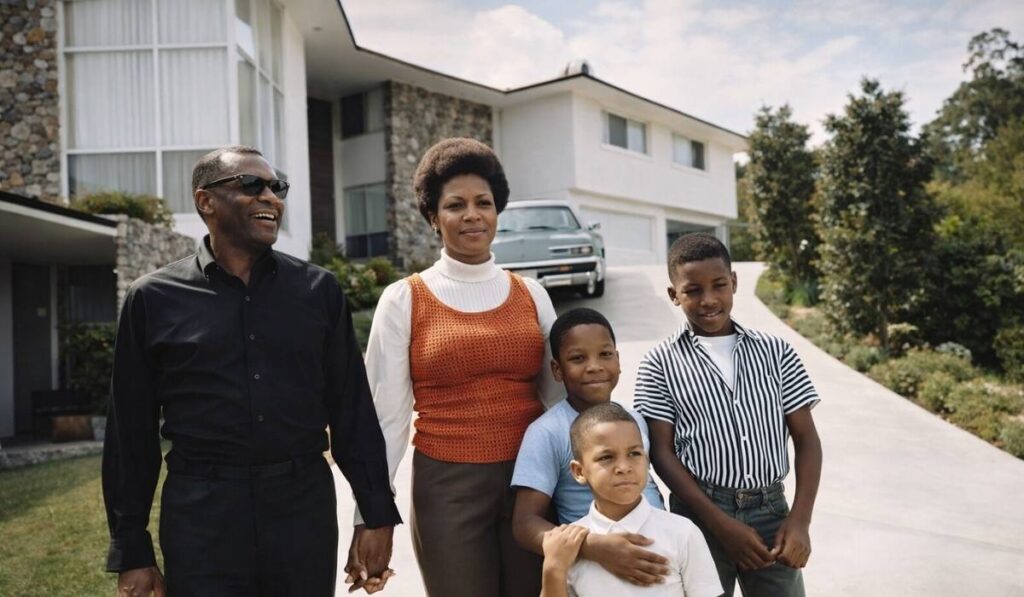
The romance between Della Beatrice Howard Robinson and the legendary musician developed during a time when Ray Charles was rising to prominence. Their connection was built on shared experiences and mutual attraction, but life with a musical genius came with unique challenges. Charles’s demanding career and lifestyle placed strain on their relationship, a reality faced by many partners of celebrities.
Marriage to a public figure often requires sacrifices and adjustments. For Della Beatrice Howard Robinson , this meant balancing her personal aspirations with the responsibilities of family life. The pressures of fame, combined with Charles’s struggles with addiction and infidelity, created difficulties that tested their bond.
Despite these challenges, the relationship also brought moments of happiness and growth. Della Beatrice Howard Robinson became a mother, and her role in raising their children reflected her dedication to family. While the marriage ultimately ended, it remains an important chapter in both their lives.
Life as the Wife of a Music Icon
Being married to a global music icon was both rewarding and demanding. Ray Charles’s career required constant travel and public attention, leaving Della Beatrice Howard Robinson to manage household responsibilities and emotional challenges. The lifestyle of a celebrity spouse is often misunderstood, as it involves navigating the complexities of public scrutiny and personal sacrifice.
Della Beatrice Howard Robinson experience highlights the emotional realities faced by many partners of famous individuals. While the world celebrated Charles’s achievements, she dealt with the quieter aspects of their relationship—moments of joy, frustration, and personal growth. Her story reminds us that behind every public figure, there are individuals whose contributions and experiences deserve recognition.
Marriage to a musician also brought exposure to the entertainment industry’s unique culture. The demands of fame and success can create tension within relationships, requiring communication and understanding. Della Beatrice Howard Robinson journey reflects the strength required to navigate such circumstances.
Challenges and Personal Growth
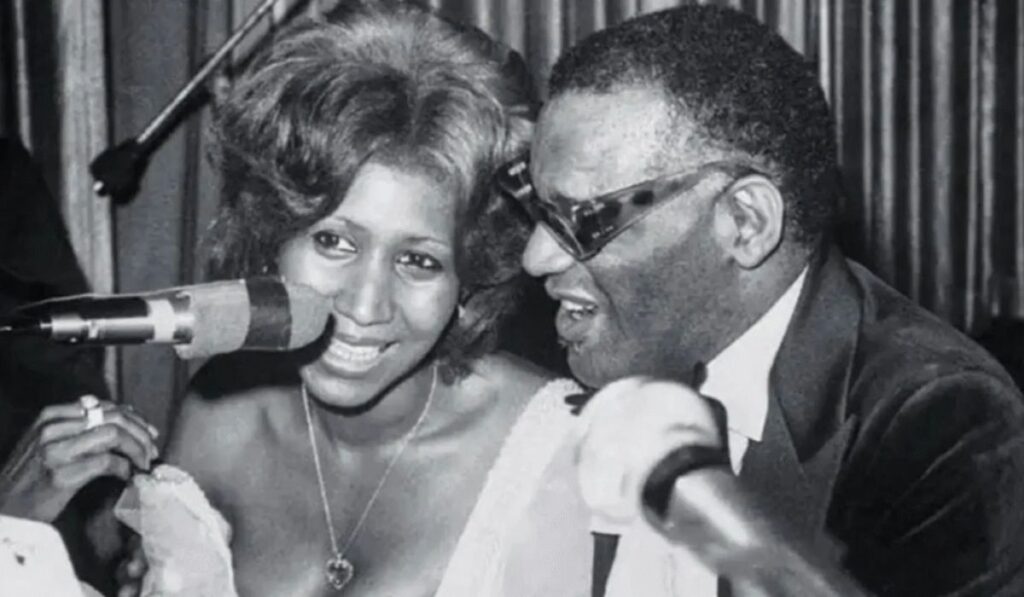
The relationship between Howard Robinson and Charles faced numerous difficulties, including issues related to addiction and infidelity. These challenges ultimately led to their separation, a decision that underscored the importance of self-respect and personal well-being. Ending a marriage is never easy, but it can represent a step toward healing and independence.
For Howard Robinson, life after the marriage involved personal growth and reflection. She embraced the opportunity to focus on herself and her family, moving forward with resilience. Her story demonstrates that strength often emerges from adversity, and personal fulfillment can be achieved in different ways.
Many individuals who experience similar situations find inspiration in Howard Robinson’s journey. Her ability to navigate difficult circumstances and prioritize her well-being serves as a powerful example of emotional strength.
The Role of Women in Supporting Creative Legacies
Women like Howard Robinson have historically played vital roles in supporting the careers of creative individuals. Behind many successful artists and public figures are partners who contribute emotional and practical support. These contributions, though often overlooked, are essential to personal and professional success.
Howard Robinson’s life exemplifies this dynamic. While Ray Charles achieved global recognition, she provided stability and companionship during significant periods of his career. Her role reflects the broader contributions of women who support their partners’ ambitions while managing their own responsibilities.
Recognizing these contributions is important for understanding the full scope of historical and cultural narratives. The stories of partners and families enrich our appreciation of creative achievements and human relationships.
Legacy and Recognition
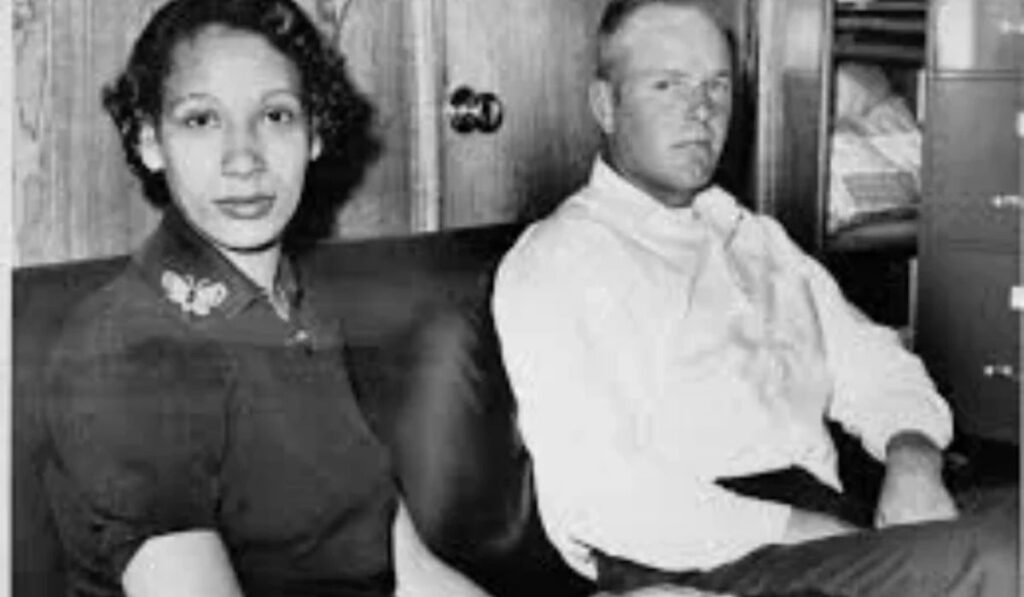
Although Howard Robinson is not as widely known as her former husband, her legacy remains significant. She represents the experiences of individuals who navigate life alongside public figures, balancing personal identity with external expectations. Her story encourages a more comprehensive understanding of historical narratives.
Legacy is not solely defined by public recognition. It also encompasses personal values, relationships, and the impact individuals have on those around them. Howard Robinson’s life reflects these principles, demonstrating that every story holds meaning and importance.
By exploring her journey, we gain insight into the human dimensions of fame and relationships. Her experiences remind us that behind every well-known name are individuals with their own stories and contributions.
The Importance of Sharing Untold Stories
Untold stories enrich our understanding of history and culture. While public attention often focuses on famous individuals, the experiences of those connected to them provide valuable perspectives. Howard Robinson’s life offers lessons about resilience, self-respect, and personal growth.
Sharing these narratives fosters empathy and appreciation for diverse experiences. It also challenges simplistic portrayals of historical figures, encouraging a more nuanced understanding of their lives. Howard Robinson’s story is a reminder that every individual’s journey deserves recognition.
Lessons From Her Life
The life of Howard Robinson teaches important lessons about strength and independence. Her ability to navigate challenges and prioritize her well-being demonstrates the value of self-respect. Relationships can shape our experiences, but personal growth remains essential.
Her story also highlights the complexities of human relationships. Marriage and partnership require effort and understanding, but they are not without difficulties. Howard Robinson’s journey encourages reflection on the importance of emotional health and personal boundaries.
These lessons resonate with many people, offering inspiration and guidance. Life’s challenges can be opportunities for growth, and Howard Robinson’s experiences exemplify this truth.
Conclusion
The story of Della Beatrice Howard Robinson is one of resilience and quiet strength. While her connection to a music legend brought public attention, her life contains lessons that extend beyond fame. She navigated challenges with dignity, embracing personal growth and self-respect.
Understanding her journey enriches our appreciation of historical narratives and human experiences. It reminds us that every individual has a story worth telling—one shaped by unique circumstances and personal choices.
Howard Robinson’s legacy encourages empathy and recognition of the diverse contributions people make to society. Her life is a testament to the strength of the human spirit and the importance of honoring untold stories.
Quick Bio
| Detail | Information |
|---|---|
| Full Name | Della Beatrice Howard Robinson |
| Known As | Former wife of Ray Charles |
| Occupation | Homemaker and supportive partner |
| Children | Yes |
| Legacy | Symbol of resilience and personal strength |
Frequently Asked Questions (FAQs)
1. Who is Della Beatrice Howard Robinson?
- She is the former wife of Ray Charles and a figure known for her quiet resilience.
2. What was her role in Ray Charles’s life?
- She supported his personal life while managing family responsibilities.
3. Did she remarry after divorce?
- Information about her later personal life remains limited.
4. Why is her story important?
- It highlights the experiences of individuals connected to public figures.
5. What lessons can be learned from her life?
- Her journey teaches resilience, self-respect, and the importance of personal growth.
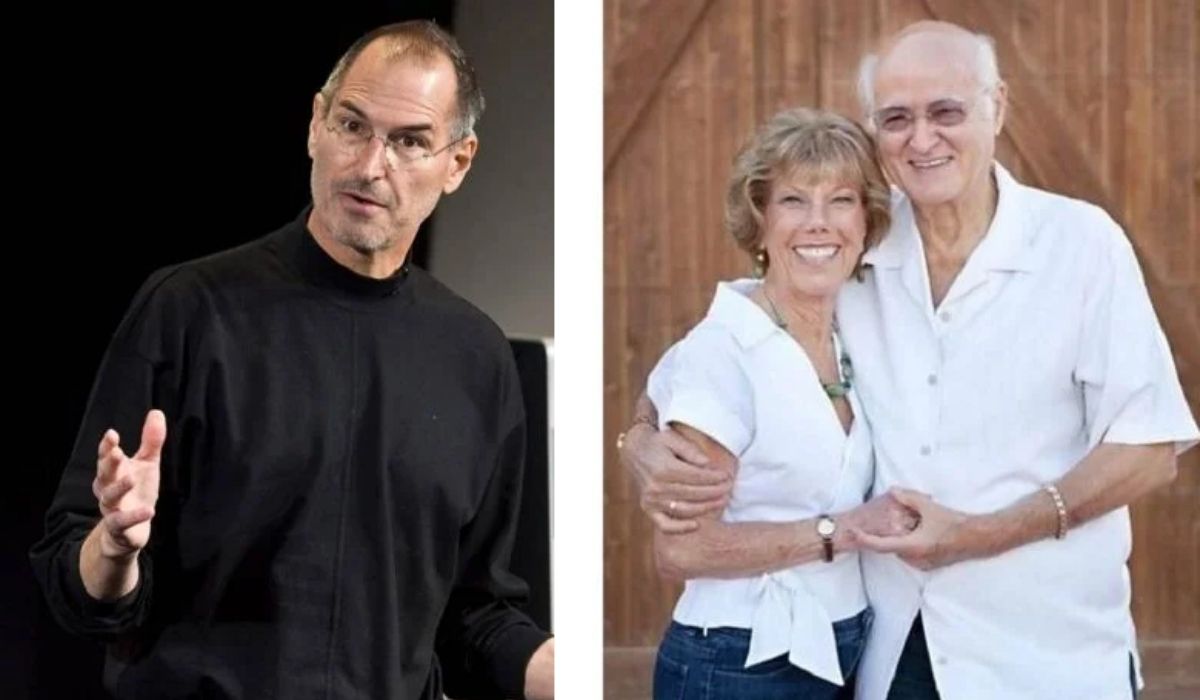
Joanne Schieble was born in 1932 in Green Bay, Wisconsin, into a deeply traditional and religious family of Swiss‑German heritage. Growing up in the conservative culture of the 1930s and 1940s shaped her worldview and instilled in her values of hard work, discipline, and the importance of family. Her formal education continued at the University of Wisconsin, where she studied and eventually pursued a passion in speech pathology — a field not commonly chosen by women of her social circle at the time. This academic drive was a defining element of her character, showing early signs of an independent mind and a desire to break away from strictly conventional life paths.
Despite her ambitions, Joanne Schieble youth was influenced by societal norms that heavily stigmatized unwed mothers and interracial or interfaith relationships. These cultural pressures became one of the defining forces in her personal story and would later deeply influence the course of her life and the lives of her children.
Quick Bio: Joanne Schieble
| Attribute | Details |
|---|---|
| Full Name | Joanne Carole Schieble |
| Also Known As | Joanne Schieble Simpson |
| Date of Birth | August 1, 1932 |
| Place of Birth | Green Bay, Wisconsin, USA |
| Nationality | American |
| Ethnicity | Swiss‑German descent |
| Education | University of Wisconsin |
| Known For | Biological mother of Steve Jobs |
| Children | Steve Jobs, Mona Simpson |
| Occupation | Speech therapist / academic background |
| Death | January 19, 2018 (aged 85) |
Meeting Abdulfattah Jandali and Falling in Love
While attending university, Joanne met Abdulfattah “John” Jandali, a Syrian graduate student studying political science. The two came from very different cultural and religious backgrounds — Joanne was a Catholic from a small American town, and Jandali was a Muslim immigrant. Still, they connected intellectually and emotionally, forming a close relationship amid the energy and free‑thinking environment of college life.
Their relationship was powerful and sincere, but it was also controversial in the context of the 1950s. Joanne’s parents disapproved of her being with someone from a Muslim and Syrian background, largely because of the cultural and religious differences. This disapproval was not just passive — it was a direct force that would ultimately shape Joanne Schieble difficult decision to give up her first child for adoption.
Pregnancy in the 1950s and a Difficult Decision
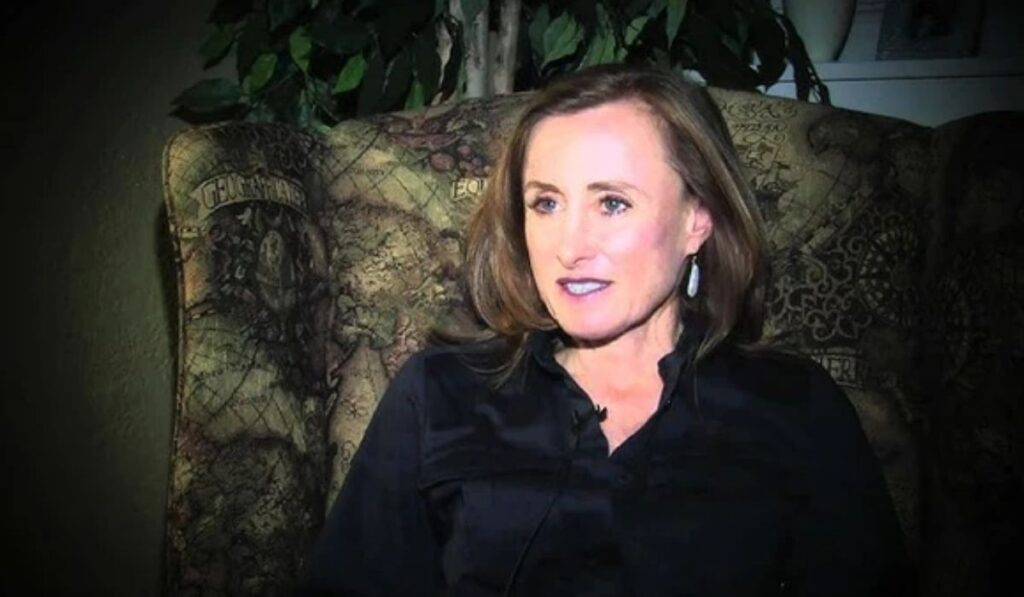
In 1954, at the age of 23, Joanne became pregnant while she and Jandali were still unmarried. The cultural stigma surrounding an unwed pregnancy was severe in that era, and Joanne faced immense emotional pressure both from her family and from broader society. Unmarried motherhood was heavily judged — not just socially, but often economically and legally.
Joanne’s situation became even more complicated because her parents refused to accept Jandali as a suitable partner. In a traditional family that valued religion, conformity, and “proper” conduct, this relationship represented something far outside the norm. With limited options and feeling cornered by social expectations, Joanne Schieble made one of the hardest decisions of her life: she chose to travel to San Francisco for the birth, then place her son into adoption, hoping he would be raised in a stable, supportive environment she could not provide at that moment.
The Birth of Steve Jobs: A Life‑Altering Moment
On February 24, 1955, Joanne gave birth to her son in San Francisco. This child would later become one of the most influential figures in technology — Steve Jobs, co‑founder of Apple Inc. Her decision to place him for adoption was born not from abandonment, but from an effort to ensure he had opportunities she feared she could not offer due to societal and familial pressures.
From the start, Joanne insisted that her baby be adopted by educated parents. The first adoptive couple who agreed to take her baby backed out when they discovered it was a boy, hoping for a girl instead. Eventually, Paul and Clara Jobs, a working‑class couple from California, adopted the infant. Although they didn’t meet Joanne’s education standards, they promised to support his future and ensure he had the chance to pursue college — which influenced Joanne’s reluctant agreement.
This choice fundamentally shaped history. Instead of growing up in Wisconsin, Steve Jobs was raised in the heart of what would become Silicon Valley, surrounded by technology and innovation. His adoptive parents nurtured his curiosity and supported his development, eventually planting the seeds for his future success.
Life After the Adoption

After placing Jobs for adoption, Joanne experienced profound emotional challenges. She returned to Wisconsin, continuing her education and attempting to piece together a new life. Eventually, she married Jandali, though their marriage did not last. Together, they had a daughter, Mona Simpson — a child Joanne raised directly.
Mona would grow up to become a celebrated novelist and academic, known particularly for her book Anywhere But Here. Her work reflects complex emotional themes and relationships that echo her own childhood experiences — including the story of a mother and daughter shaped by events that mirrored those in her own family.
Joanne’s marriage to Jandali ended, and she later married George Simpson, adopting his surname. Her adult life after Steve’s adoption was marked by devotion to her daughter, intellectual pursuits, and a somewhat private professional life. She worked as a speech therapist and preferred to live away from the spotlight, valuing quiet dignity over fame.
Reconnecting With Her Biological Son
Many years after giving him up for adoption, Steve Jobs began seeking information about his origins. It wasn’t until the mid‑1980s, after the death of his adoptive mother Clara, that Jobs reached out to find his birth mother. With the help of records and persistence, he located Joanne Schieble Simpson and made contact. Their reunion was tentative at first, marked by deep emotion, apologies, and the shared understanding that years apart could never erase their biological connection.
Joanne expressed sincere regret for having to give him up, though Steve himself never harbored resentment — seeing her sacrifice as a brave act born of difficult circumstances. Their renewed relationship, though not intensely close, carried mutual respect and closure. It also brought Steve into contact with his biological sister, Mona Simpson, a connection that enriched both their lives in its own way.
Joanne Schieble’s Legacy and Influence

To many, Joanne Schieble might seem like a footnote in the biography of her son, Steve Jobs — someone who made a painful choice in her youth and then faded into the background. But her legacy extends far beyond anonymity. Through her difficult decision to seek the best possible future for her child, she enabled a life story that would shape the global technology landscape.
Her life reminds us of the quiet and often unseen sacrifices mothers make. Although she did not raise Steve herself, her early insistence on securing a hopeful environment for him laid the foundation for everything that followed — from Apple Inc. to the innovations that transformed the personal computing era and beyond.
Joanne also lived a full life beyond that moment. She nurtured and raised Mona Simpson, supported her daughter’s creative journey, and remained rooted in her values of education and emotional resilience. Her story is not just about giving up a child — it’s also about rebuilding, loving, and redefining what family means across time and societal expectations.
The Enduring Lessons From Joanne Schieble’s Story

Today, the story of Joanne Schieble continues to resonate because it reflects universal themes: love, sacrifice, courage, and the complexity of human relationships. In an era when cultural piety and social judgment once limited her options, she made choices that required strength and foresight. Whether viewed through the lens of personal tragedy or quiet heroism, her life offers meaningful insights into the power of decisions, even when they defy easy explanation.
Her role in Steve Jobs’ life was not direct, nor was it defined by presence or publicity. Instead, her impact was woven into the circumstances of his upbringing, his sense of self, and eventually the story he told about his roots. For many, that narrative — that biological roots matter less than the love and opportunity found along the way — stands as part of the complex legacy she helped shape.
Frequently Asked Questions
1. What was Joanne Schieble known for?
- • She was the biological mother of Steve Jobs, best known for placing him for adoption and later reconnecting with him as an adult.
2. Why did Joanne Schieble give Steve up for adoption?
- • She placed him for adoption due to societal pressures, family disapproval, and her desire to ensure he had a stable, educated family.
3. Did Joanne Schieble meet Steve Jobs later in life?
- • Yes — they were reunited in the 1980s after Jobs located her and they maintained intermittent contact.
4. Who is Mona Simpson in relation to Joanne Schieble?
- • Mona Simpson is Joanne’s daughter from her later marriage, and the biological sister of Steve Jobs.
5. What did Joanne Schieble do professionally?
- • She worked primarily as a speech therapist/academic and led a private life away from media attention.

Who Is Shirley Kyles? The Untold Story Of Al Green’s Ex-Wife

Who is América Guinart? The Untold Story of Alejandro Fernández’s Ex-Wife

Who Is Della Beatrice Howard Robinson? The Untold Story Of Ray Charles’s Ex-Wife

5StarsStocks.com Military: The Future of Strategic Military Investments

Sharon Summerall and Don Henley: A Rock and Romance Story

Lillian Jean Cornell: Age, Family, & Bio
-

 Celebrity20 hours ago
Who Is Holly Bankemper? The Untold Story of Holly Bankemper
-

 Celebrity20 hours ago
Who is Donte Phillip Spector? All About the Life of Ronnie Spector’s Adopted Son
-

 Celebrity20 hours ago
Who Is Joanne Schieble? All You Need To Know About Steve Jobs’ Mother
-
 Celebrity3 hours ago
Who Is Della Beatrice Howard Robinson? The Untold Story Of Ray Charles’s Ex-Wife
-
 Celebrity3 hours ago
Who Is Shirley Kyles? The Untold Story Of Al Green’s Ex-Wife