
Celebrity
Collin Gosselin: Amazing Biography, Family & Life Journey 2026


Collin Gosselin Biography:
Collin Gosselin became widely recognized through reality television and his family’s public journey. Born into a famous household, he experienced both opportunities and challenges while growing up in front of audiences. His life attracted attention because of his appearance on the popular reality series featuring his large family. Over the years, his story has included moments of fame, personal struggles, family changes, and efforts to build an independent identity. This article explores his biography, childhood, television experience, relationships, education, career interests, and the journey that shaped him beyond reality TV.
| Category | Details |
|---|---|
| Full Name | Collin Thomas Gosselin |
| Known For | Reality Television Personality |
| Birth Year | 2004 |
| Famous Show | Jon & Kate Plus 8 |
| Parents | Jon Gosselin and Kate Gosselin |
| Siblings | Seven siblings |
| Nationality | American |
| Profession Interests | Television Personality, Personal Development |
Early Childhood and Family Background
Collin Gosselin was born into a family that later became one of the most recognizable families on reality television. His childhood was shared with his twin sister and sextuplet siblings, creating a unique family environment. Growing up with many brothers and sisters brought both memorable experiences and difficulties. His early years were documented publicly, allowing viewers to see his family routines, celebrations, and everyday moments. However, being raised in the spotlight also created challenges that influenced his personal development and future choices.
Growing Up as Part of a Famous Family

Being part of a large and famous family brought unusual experiences during childhood. The family gained attention because of their size and lifestyle, which attracted viewers from around the world. Collin Gosselin spent his early years adjusting to cameras, public attention, and the responsibilities that came with appearing on television. While many children experience private childhoods, his upbringing happened under public observation. This exposure played an important role in shaping his personality and his understanding of privacy.
Reality Television Appearance and Public Recognition
The family became famous through the reality show Jon & Kate Plus 8, where audiences followed their daily lives. The program introduced viewers to the challenges of raising multiple children and managing family responsibilities. Collin appeared alongside his parents and siblings during the show’s early years. His presence helped audiences connect with the family story, making him a familiar face among reality television viewers.
Experience on Jon & Kate Plus 8
The television series provided a platform that showed many aspects of family life, including celebrations, parenting moments, and sibling relationships. For Collin Gosselin, appearing on the show meant that many childhood memories were recorded and shared publicly. Although the program brought recognition, it also meant that personal family situations received significant public attention. His experience demonstrates how reality television can create both opportunities and emotional challenges for young participants.
Changes Within the Gosselin Family
Over time, the family experienced major changes that affected everyone involved. The separation of his parents became a significant moment in the family’s public story. As the family structure changed, each child had to adjust to new circumstances. Collin Gosselin’s experiences during these years received attention because viewers had followed his childhood journey. Family changes often influence personal growth, and his story reflects the difficulties many young people face when dealing with major transitions.
Relationship With His Parents
Family relationships have been an important part of Collin’s public story. His relationship with his parents became a topic discussed by fans and media outlets. Growing up through difficult family situations influenced how he viewed independence and personal identity. Over the years, he has shared limited details about his experiences, choosing to maintain some privacy. His journey highlights the importance of understanding family situations from multiple perspectives rather than relying only on public opinions.
Personal Challenges During Adolescence
Adolescence can be challenging for anyone, but growing up in a famous family created additional pressures. Collin Gosselin faced personal difficulties while transitioning from childhood into teenage years. Public attention, family changes, and personal struggles all contributed to a complicated period of development. Despite these challenges, he continued working toward building confidence and finding his own direction. His experiences show the importance of personal growth and resilience during difficult stages of life.
Time Away From the Public Spotlight

After years of being featured on television, Collin stepped away from regular public appearances. This period allowed him to focus more on personal development and creating an identity separate from reality TV. Many former child television personalities choose privacy as they grow older, and his decision reflects a desire for independence. Away from cameras, he explored education, personal interests, and future opportunities while focusing on his own goals.
Education and Personal Development Journey
Education played an important role in helping Collin Gosselin create a future beyond reality television. After spending much of his childhood in the public eye, he focused on personal improvement and developing skills for adulthood. His educational experiences helped him gain confidence and discover interests outside entertainment. Like many young adults, he faced the challenge of finding his own path while carrying the attention connected to his early fame. His journey reflects the importance of growth, learning, and building a personal identity separate from childhood experiences.
Military Interest and Career Direction
As he moved into adulthood, Collin developed an interest in military service and personal discipline. He explored opportunities that focused on responsibility, teamwork, and leadership. This direction represented a major change from his childhood television background. Military involvement appealed to him because it offered structure, challenges, and a chance to create a meaningful future. His career interests demonstrate his desire to establish himself through dedication and hard work rather than depending only on his early public recognition.
Developing Independence After Fame
Building independence became a significant part of Collin Gosselin’s transition into adulthood. Growing up with cameras around him meant many personal moments were publicly documented. As he became older, creating a private life became increasingly important. He worked toward making decisions based on his own goals and values. His journey shows how former child celebrities often need time and space to discover who they are beyond the image audiences remember from television.
Public Attention and Media Coverage
Because of his connection to reality television, Collin continued receiving attention from media outlets even after leaving the spotlight. Stories about his family relationships and personal experiences often attracted public interest. However, he has generally preferred a quieter lifestyle compared with his earlier years. Managing public attention requires maturity and understanding, especially for individuals who became famous before reaching adulthood. His experience highlights the challenges faced by people whose childhoods were shared with millions of viewers.
Relationship With His Siblings
Growing up with seven siblings created a unique family dynamic for Collin. Being part of a large household meant experiencing both strong connections and complicated relationships. Each sibling developed their own personality and life path after growing up together. Public interest in their family often focused on their interactions and individual experiences. Like many families, their relationships changed over time as everyone entered different stages of life and developed separate identities.
Life Away From Reality Television
Leaving reality television allowed Collin to focus on experiences that were not connected to cameras or public expectations. This change gave him an opportunity to explore personal interests and make choices without constant attention. Many viewers who watched his childhood wanted to know how he would develop as an adult. His decision to live a more private life reflects his effort to create balance between his past experiences and his future ambitions.
Challenges of Growing Up Publicly
Growing up publicly can create unique emotional challenges. Collin Gosselin experienced situations that many people never encounter, including having childhood memories recorded and viewed by strangers. Public exposure can influence personal relationships, confidence, and decision-making. Learning to manage those pressures requires strength and self-awareness. His story provides insight into the effects of childhood fame and the importance of allowing young people space to develop naturally.
Building a New Identity
A major part of Collin’s adulthood has involved creating an identity beyond his television background. Instead of being known only as a child from a famous family, he has worked toward becoming recognized for his own choices and achievements. Personal identity develops through experiences, education, relationships, and goals. His journey demonstrates how people can move forward from early circumstances and create new chapters in their lives.
Public Statements and Personal Perspective
Over the years, Collin has occasionally shared his perspective about his childhood experiences and family situation. His comments attracted attention because audiences had followed his story for many years. However, he has also maintained boundaries regarding personal details. Sharing selected parts of his life while keeping other areas private allows him to control his own narrative. This approach is common among people who experienced fame at a young age.
Influence of Reality Television Fame
Reality television changed the way many families became known worldwide. For Collin, being part of a popular program created opportunities but also brought challenges. The experience introduced him to entertainment, public communication, and media attention at a young age. At the same time, it created situations where personal matters became topics of discussion. His story represents both sides of reality television: the opportunities it provides and the responsibilities it creates.
Transition From Childhood Celebrity to Adult Life
The transition from child celebrity to adulthood can be complicated. Many young personalities struggle with expectations created by early fame. Collin Gosselin’s journey reflects this transition as he moved away from being recognized primarily through television. Adult life allowed him to focus on personal goals, career interests, and individual growth. His experience shows that childhood recognition does not define a person’s entire future.
Handling Personal Difficulties With Strength
Throughout his life, Collin faced difficult situations that required patience and resilience. Personal challenges can influence someone’s character and perspective. Instead of allowing past experiences to completely define him, he continued looking toward future opportunities. His story highlights the importance of perseverance and the ability to adapt during challenging periods. Growth often comes through overcoming obstacles and learning from difficult moments.
Interest in Privacy and Normal Life
Privacy became increasingly valuable as Collin became older. After years of public exposure, having control over personal information became an important part of his life. Many people who grow up in entertainment choose quieter lifestyles because they want normal experiences away from public judgment. His preference for privacy reflects a desire to focus on real-life goals rather than remaining connected only to childhood fame.
Future Goals and Career Possibilities
As an adult, Collin continues exploring opportunities that align with his interests and abilities. His future remains separate from the reality television world that introduced him to audiences. Whether through professional development, personal achievements, or new experiences, he has the opportunity to define success in his own way. His journey continues to evolve as he builds a life based on personal choices and ambition.
Achievements and Personal Growth Over the Years
Throughout his life, Collin Gosselin has experienced a unique journey filled with public recognition, personal challenges, and opportunities for growth. His greatest achievements are connected not only to his early television appearance but also to his ability to continue developing as an individual. Moving from childhood fame toward adulthood required patience, determination, and self-awareness. His experiences demonstrate that success is not always measured by popularity but also by personal progress, resilience, and the ability to create a meaningful future.
Impact of Childhood Fame on His Life
Childhood fame influenced many areas of Collin’s life, from relationships to personal development. Being recognized by audiences at a young age created experiences that shaped his understanding of privacy and independence. While fame provided unique opportunities, it also introduced challenges that required emotional strength. His story shows how early public attention can have long-lasting effects on personal growth. Learning to manage those experiences helped him develop a stronger understanding of himself and his future goals.
The Importance of Family Experiences
Family experiences played a major role in shaping Collin’s personality and outlook. Growing up in a large household taught him lessons about communication, responsibility, and relationships. Even when families face difficult moments, those experiences can contribute to personal development. His childhood environment created memories that influenced his views on trust, independence, and personal choices. Family remains an important part of his background, even as he continues creating his own adult identity.
Lessons Learned From Public Life
Living under public attention taught Collin valuable lessons about handling criticism, expectations, and personal boundaries. Many people who experience fame at an early age must learn how to separate public opinions from personal reality. His journey highlights the importance of confidence and self-belief. Instead of allowing outside attention to define him, he has focused on developing his own direction. These lessons have helped him navigate adulthood with greater awareness.
Social Media and Modern Public Image
In today’s digital world, maintaining a public image can be challenging. Collin has experienced how quickly personal stories can spread through online platforms. Unlike traditional celebrities, reality television personalities often become famous through personal experiences rather than professional achievements alone. Managing online attention requires careful decisions about privacy and communication. His approach reflects a growing trend among young adults who prefer controlling their own digital presence.
Relationship Between Fame and Personal Identity
Fame can influence how others see a person, but personal identity develops through individual experiences and choices. Collin’s journey represents the process of moving beyond a childhood reputation and building a separate adult identity. Being known from a television program became only one part of his story. His personal goals, interests, and decisions continue shaping who he is today.
How Reality Television Changed Family Entertainment
Reality television changed how audiences viewed family stories. Programs featuring real-life families created emotional connections between viewers and participants. The Gosselin family became part of this television trend, showing everyday challenges and memorable moments. However, reality programming also raised discussions about privacy, childhood exposure, and the responsibilities of featuring young people on television. Collin’s experience remains connected to these broader conversations about family entertainment.
Public Interest in His Personal Journey
Many viewers who followed his childhood remain interested in his adult life. Public curiosity often continues when audiences feel connected to television personalities they watched growing up. However, personal journeys are constantly changing, and individuals deserve opportunities to grow beyond their public beginnings. Collin’s story continues attracting attention because it reflects themes of family, independence, and overcoming challenges.
Comparing Childhood Fame and Adult Success
Childhood fame does not automatically determine adult success. Many former young television personalities create different paths after leaving entertainment. For Collin, adulthood represents a chance to pursue goals based on his own interests rather than public expectations. His development shows that success can come from personal achievements, career choices, and emotional growth. Building a fulfilling life often requires moving beyond earlier experiences and embracing new opportunities.
Maintaining Privacy in a Digital Era
Privacy has become increasingly valuable in a world where information spreads quickly. For someone who experienced fame during childhood, protecting personal boundaries can be especially important. Collin’s preference for a quieter lifestyle demonstrates the importance of having control over personal information. Maintaining privacy allows individuals to focus on real relationships, personal goals, and future plans without constant public evaluation.
Future Possibilities and New Chapters
The future offers many possibilities for Collin as he continues building his adult life. His experiences have provided lessons that can guide future decisions and opportunities. Whether through career development, personal interests, or new achievements, he has the ability to define his own success. His journey remains a reminder that people can continue growing and changing regardless of how they became known.
Why His Story Continues to Interest Audiences
The reason Collin’s story remains interesting is because it combines themes that many people understand: family changes, personal struggles, growth, and finding independence. Audiences who watched his childhood journey often wonder how young television personalities develop after leaving the spotlight. His life represents a transition from being part of a famous family story to becoming an individual with personal goals.
Influence on Discussions About Child Celebrities
Collin’s experiences have contributed to broader discussions about children appearing on reality programs. Questions about privacy, emotional support, and long-term effects of fame have become important topics in entertainment. His story encourages conversations about protecting young people while allowing them opportunities to participate in media. The challenges connected to childhood fame continue influencing how audiences view reality television.
Personal Strength and Resilience
One of the strongest themes in Collin’s journey is resilience. Facing difficult experiences while growing up publicly requires patience and determination. His ability to continue moving forward demonstrates personal strength. Resilience does not mean avoiding challenges but learning how to handle them and continue developing. His story reflects the importance of growth through life experiences.
Legacy Beyond Reality Television
Although many people first knew him through television, Collin’s legacy can extend beyond entertainment. His experiences represent important conversations about family life, childhood fame, and personal development. As he continues creating his own future, his identity becomes connected to more than a television appearance. His journey shows that individuals can redefine themselves and create new paths.
Final Thoughts on His Life Journey
The story of Collin Gosselin is one of childhood recognition, family experiences, challenges, and personal transformation. From appearing on reality television to pursuing independence, his journey reflects the complexities of growing up publicly. His life demonstrates the importance of resilience, self-discovery, and creating a future based on personal choices. Readers can learn more about related background information through Wikipedia’s page on Wikipedia and related family television topics.
FAQs About Collin Gosselin
1. Who is Collin Gosselin?
- He is an American reality television personality known for appearing on the family show Jon & Kate Plus 8.
2. When was Collin Gosselin born?
- He was born in 2004 and became known to audiences during his childhood years.
3. Why is Collin Gosselin famous?
- He became famous through his family’s reality television series and public appearances.
4. What career interests does Collin Gosselin have?
- He has explored interests focused on personal development, discipline, and future career opportunities.
5. Does Collin Gosselin still appear on television?
- He has mostly chosen a more private lifestyle away from regular reality television appearances.
Related: Milania Giudice 2026: Biography, Age, Family, Net Worth, Education, Career Plans, Lifestyle, Success Story & Facts, Gael Cameron and Nathan Gallagher: 23 Amazing Facts About Their Inspiring Family Story, Personal Life, Background & Legacy (2026), Sophia Grace and Rosie: The Amazing and Inspiring Journey of Internet Stars, Music Success, TV Fame, Family Life, Career Growth, and Lasting Legacy in 2026

Some people enter public life through one famous connection, and then spend years showing that there was always much more to their story, and that is certainly true of Lisa Moorish. She is widely known as the mother of model Molly Moorish Gallagher, but long before that connection made headlines she had already built a music career that began in her teens, crossed acid house, pop, Britpop and indie rock, and then returned, decades later, with new songs. Her life is a reminder that a mother in the news is also a person with her own tastes, work and history, and that history deserves attention on its own terms.
What makes the story of Lisa Moorish so compelling is its range, because few British singers have moved so freely between scenes that are usually kept apart. She recorded club music with Detroit techno pioneers, sang pop under a shortened name, provided backing vocals for some of the biggest Britpop bands, and then fronted her own electro-punk band, each time bringing a distinctive voice and attitude. She did so without becoming a household name in the way some of her collaborators did, yet musicians who worked with her have remembered her contribution, and her later return to recording suggests a creative drive that never fully left her.
Table of Contents
The public focus on Lisa Moorish as a mother is understandable, because her daughter Molly, born in 1998, has become a successful model in her own right, and the story of their family has been covered widely. But reducing her to that role alone would miss the point of her career, and it would also miss the way she raised her children while keeping music close, even during years when recording took second place to family life. This article therefore looks first at her own work, her early years in South London, and her later return, before turning to the family story that brought her wider attention.
Growing Up in Brixton and Finding Music Early
The early life of Lisa Moorish began in Walworth, London, where she was born on 16 January 1972, and she grew up in Brixton, South London, a neighbourhood with a rich musical culture. Her father Henry Watt was Black Jamaican, described as mixed with Irish, Scottish and Asian heritage, while her mother Iris was English, from Middlesbrough, and she was raised by her mother and aunt after her father left the family. Brixton in those years was full of sound systems, record shops and community music, and for a child with a natural interest in singing, that environment was an education in itself, even before any formal training.
Music came early for Lisa Moorish, who knew by the age of seven that she wanted to sing, and who was introduced to live gigs through her mother’s partner, a lighting technician for the reggae band Steel Pulse. At twelve she toured the United States with the band while they supported Herbie Hancock, an experience that would be extraordinary for any young teenager, and one that gave her a first taste of life on the road. Those early encounters with professional musicians taught her how a show is put together, how a band works as a team, and how an audience responds to confidence, lessons that stayed with her when she began recording herself.

A teenage breakthrough followed, and Lisa Moorish began her musical career in 1989, aged seventeen, when she signed to Jive Records, after an agent connected with the pop group Bros helped her secure the deal. Her first exposure to club music came through Detroit techno pioneers Juan Atkins and Kevin Saunderson, with whom she recorded Rock to the Beat, a track that fed into the UK acid house explosion of the time. For a seventeen-year-old from Brixton, working with American electronic pioneers was a remarkable start, and it placed her at the centre of a youth culture that was changing British music, even if mainstream fame did not follow immediately.
Solo Singles, Pop Years and Backing Vocals
The early solo career of Lisa Moorish moved through several labels and styles, reflecting both her versatility and the fast-changing music industry of the early 1990s. After Jive, she signed to Polydor in the early 1990s under the name Lisa M, and later moved to Go! Discs, where she released tracks that brought her wider attention, including Mr Friday Night. She also recorded I’m Your Man, a duet with George Michael, a collaboration that showed how highly she was regarded by established stars, even when chart success was modest, and that gave her a place in pop history that many singers never achieve.
During the Britpop years, Lisa Moorish became a valued backing vocalist, singing on tracks by Oasis, Blur and Ash, three bands that defined British guitar music in the mid-1990s. Her work on an acoustic version of Oasis’s Fade Away is often cited in profiles of her career, and it illustrates how session and backing work can shape famous records without the singer becoming famous herself. Backing vocals demand precision, blend and musical judgement, because the singer must support the lead without overshadowing it, and her repeated hiring by major bands suggests she was trusted in studios where time and reputation mattered greatly.

A spell as a singer in the public eye also brought Lisa Moorish into contact with modelling and image work, which is why some profiles describe her as a model as well as a singer, although music remains the best-documented part of her career. In the 1990s, pop singers were expected to look as well as sound the part, appearing in videos, photographs and press shoots that shaped how audiences saw them, and she navigated that world with a distinctive style.
Rather than claiming a separate modelling career in detail, it is fair to say that her visual presence, like her voice, was part of her professional identity, and that she carried herself as a performer who understood both sound and image.
Kill City and an Indie Band of Her Own
The most distinctive chapter in the music of Lisa Moorish came in the early 2000s, when she formed and fronted the indie electro-punk band Kill City, with Pete Jones. Kill City released the White Boys, Brown Girl EP and album, and were signed by Alan McGee’s Poptones label, a home that suited their raw, independent spirit. The band’s sound mixed punk energy, electronic textures and direct lyrics, giving her a chance to lead a group rather than support others, and to write and perform songs that reflected her own point of view after years of working for other artists.
Fronting Kill City allowed Lisa Moorish to show a different side of her voice, tougher and more confrontational than her pop singles, and the band became a cult favourite rather than a chart act. Indie bands of that era lived or died by live shows, small-label support and word of mouth, and Kill City built their reputation in that world, playing to audiences who valued attitude and originality over polish. For her, the band was also a statement of independence, because after a decade in the industry she was choosing her collaborators, her sound and her image, rather than fitting into a label’s plan for a solo pop singer.
After Kill City, Lisa Moorish spent several years primarily raising her children, before turning to DJing and acting work, a period that is less documented in detail but fits a familiar pattern for musicians who become parents. The music industry moves quickly, and stepping away to focus on family can make a return difficult, yet she kept connections in creative circles, including through theatre and songwriting projects. Those quieter years were not wasted, because they gave her life experience, perspective and new material, and they set up the later chapter in which she returned to recording with a clearer sense of what she wanted to say.
Motherhood, Family and a Daughter in the Spotlight
Family life has always been central to the story of Lisa Moorish, and she raised her daughter Molly, born on 26 March 1998, largely as a single mother, in circumstances that later became widely reported. Molly’s father is Liam Gallagher, the former Oasis frontman, and their daughter did not meet him until she was in her late teens, meeting for the first time in 2018 when she was twenty, according to contemporary interviews. Molly has said she felt no anger about that upbringing, and has spoken with gratitude for how her mother raised her, a tribute that says a great deal about the home her mother created away from the headlines.
The relationship between Lisa Moorish and her daughter changed in public view after Molly and Liam met, and Liam later wrote the song Now That I’ve Found You for his daughter, released on his 2019 album Why Me? Why Not. Molly went on to build a modelling career, working with major brands and magazines, and later changed her public name to Molly Moorish Gallagher, reflecting both parents in her identity. For a mother, watching a child enter the same public world that once shaped her own early career must bring mixed feelings, pride alongside protectiveness, and Lisa has supported Molly publicly, including celebrating her daughter’s pregnancy announcement in 2025.

Lisa Moorish is also the mother of a son, Astile, born in 2003, whose father is musician Pete Doherty, and that family story is part of her life without defining her music. Raising two children with different fathers, both musicians, while maintaining her own creative identity, required resilience, and she has rarely sought to turn family difficulties into publicity. Instead, she has kept her focus on her children’s wellbeing, on her own work, and on the friendships and creative partnerships that sustained her through years when the press was more interested in her relationships than in her songs.
A Return to Music and Later Life
The later career of Lisa Moorish took a welcome turn when she returned to songwriting and recording after a long break, working with producer Zoe Devlin Love and signing to Irvine Welsh’s Jack Said What label. Her album Divine Chaos, her first solo album for more than twenty years, was announced in 2024, with the single Sylvia, inspired by a photograph in which she was told she resembled American poet Sylvia Plath. The album drew comparisons to Grace Jones, Roisin Murphy and Nina Hagen, blending torch songs, electro and raw lyrical storytelling, and it showed a mature artist unafraid to mix genres and to write plainly about life.
That return was helped by an earlier invitation from friend Irvine Welsh, who asked Lisa Moorish to co-write and perform songs for the Trainspotting musical he was developing during the Covid period. Working on theatre songs gave her a different discipline, writing for characters and stories rather than only for herself, and it reconnected her with audiences in a live setting. The project also led to work on a play, The Divine Chaos of Starry Things, in which she took the lead role as French revolutionary Louise Michel, a part that gave the later album its name and showed her range as a performer beyond music alone.
What Her Story Means Today
For readers who want to follow the next generation, Molly Moorish Gallagher, the daughter of Lisa Moorish, has built her own modelling career and public profile, and her story is often told alongside her mother’s. Yet the two careers are distinct, and it is worth keeping them separate in the mind, because a daughter’s success does not erase a mother’s earlier work, just as a mother’s history does not define a daughter’s choices. The family connection is real and warm, but each woman has earned attention for her own work, in different decades and in different parts of the entertainment world.
It is also important not to invent a neat financial ending for Lisa Moorish, because no verified net worth figure is presented here, and online estimates vary too widely to repeat with confidence. What can be said with confidence is that she has worked steadily in music across four decades, from teenage club singles to Britpop backing vocals, from Kill City to a solo album in her fifties, and that longevity itself is an achievement in an industry that often discards older women. Her Wikipedia page, linked below, gathers the basic career outline, while the fuller story lies in the records, the band history and the recent return that proves her creative life did not end with her early fame.
In the end, the appeal of Lisa Moorish lies in persistence, in a voice that moved between scenes without losing itself, and in a life that balanced motherhood with artistry. She grew up in Brixton, sang on records that defined an era, led her own band, raised two children, and then came back to recording on her own terms, with songs that sound like they come from lived experience rather than from fashion.
For readers who discover her through her daughter, the reward is finding an artist worth listening to in her own right, and for music fans, her story is a reminder that some of the most interesting careers are the ones that keep going quietly, then surprise you all over again.
Sources and Further Reading
Readers who want a reliable outline of Lisa Moorish can consult her Wikipedia biography, which records her birth date, solo career from 1989, and Kill City years, and which is a useful starting point before exploring her later album. No further personal details are claimed here beyond what reliable profiles report, and where sources are thin, that thinness is stated rather than filled with invention. What remains is a singer, songwriter and mother whose work spans acid house to indie rock, and whose later return shows that creativity, like family, can be renewed at any stage of life.
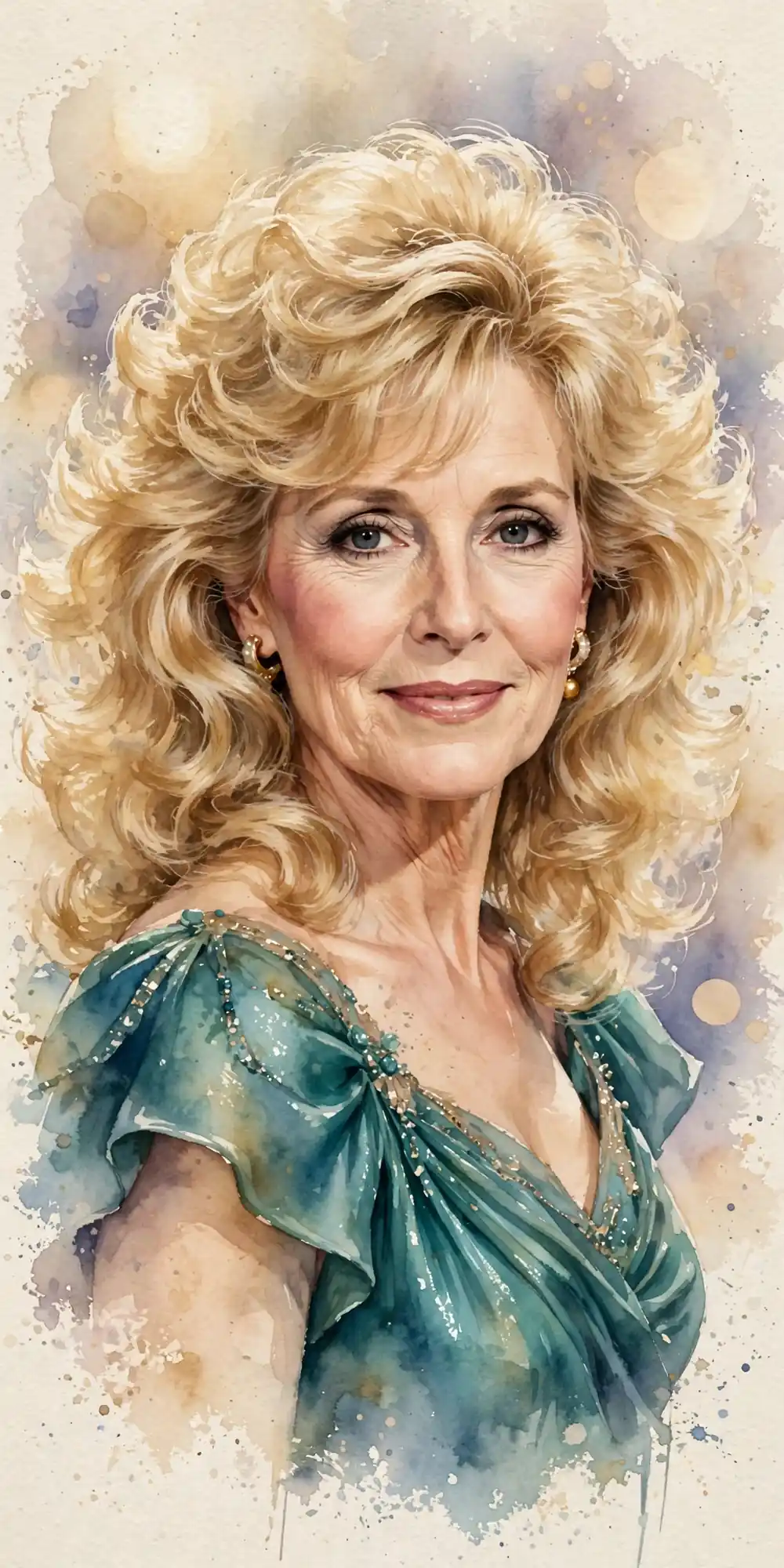
Heather Locklear is one of the defining television stars of the 1980s and 1990s, a performer whose face became shorthand for prime-time glamour. From Dynasty to Melrose Place to Spin City, she headlined the biggest soaps and sitcoms of her era, earning six Golden Globe nominations along the way. Yet her story is about more than hit shows; it is about longevity, reinvention, and a very public fight to rebuild her life.
Few actresses have stayed relevant across four decades of television, moving from soap villain to sitcom star to podcast host. Her career has had extraordinary highs and difficult lows, and she has faced both in the full glare of publicity. That resilience is a big part of why audiences still root for her today.
Table of Contents
Heather Locklear belongs to a small group of actors who defined prime-time television for an entire generation. Her characters were quoted, imitated, and argued about, and reruns still find new viewers. That kind of staying power is not an accident; it comes from talent, timing, and hard work.
Growing Up in Thousand Oaks

Heather Locklear was born Heather Deen Locklear on September 25, 1961, in Los Angeles, California. She was the youngest of four children, with siblings Laurie, Mark, and Colleen. Her father, William Robert Locklear, was an administrator at the University of California, Los Angeles, and a former colonel in the United States Marine Corps. Her mother, Diane, worked as a production executive.
She was raised in Thousand Oaks, California, and graduated from Newbury Park High School. It was a comfortable, suburban upbringing, a world away from the television studios where she would later spend her working life. Friends from school remember a bright, outgoing girl with striking looks and a quick sense of humour.
She has spoken of Lumbee ancestry, a Native American heritage she is proud of, and she has been listed among notable Lumbee people. That background is part of her identity, though she has never made it a central part of her public image. It is simply one thread in a life that has taken many turns.
Heather Locklear has always spoken fondly of her California childhood, and Thousand Oaks remains part of her story. The suburban roots, far from Hollywood’s glare, gave her a grounded start that friends say she has never lost, even at the height of her fame.
After school, Heather Locklear went on to attend UCLA, her father’s university. She pledged the sororities Chi Omega and Delta Delta Delta, though she was never initiated into either. University, as it turned out, was a brief stop. The pull of modelling and acting proved stronger than lectures, and she left before graduating to try her luck in show business.
From UCLA to Dynasty
Heather Locklear landed her first major television role as Sammy Jo Carrington on Dynasty, the blockbuster prime-time soap, appearing from 1981 to 1989. It was her breakthrough, and it began a long collaboration with producer Aaron Spelling, the man behind many of television’s biggest hits. She played the scheming, glamorous Sammy Jo with exactly the right mix of charm and mischief.
Dynasty was a phenomenon, one of the most-watched shows in America, and being part of it made her famous almost overnight. The shoulder pads, the catfights, and the cliffhangers were the stuff of water-cooler conversation, and she was right at the centre of it. For a young actress fresh out of UCLA, it was a remarkable start.
The role also taught her the discipline of long-running television: learning lines fast, hitting marks, and staying consistent over years of episodes. Soap acting is harder than it looks, and she proved she could handle it. Producers noticed, and so did audiences, who loved to hate Sammy Jo and then, gradually, loved her outright.
Heather Locklear worked with Aaron Spelling again and again after Dynasty, a sign of the trust between them. Spelling, who built an empire on prime-time soaps, knew she could deliver ratings and headlines, and she knew his sets were where stars were made. It was a partnership that shaped both of their careers.
Her time on Dynasty established a pattern that would define her career. She joined hit shows, made her character indispensable, and stayed for years. It is a skill few actors possess, and it made her one of the most in-demand television actresses of her generation.
T.J. Hooker and Double Duty
Heather Locklear pulled off a rare television feat in the 1980s: she starred in two hit shows at the same time. While playing Sammy Jo on Dynasty, she also played Officer Stacy Sheridan on T.J. Hooker, the police drama starring William Shatner, from 1982 to 1986. Juggling two series schedules was exhausting, but she did it without missing a beat.
T.J. Hooker gave her a very different role: a capable, principled police officer, a world away from the scheming of Dynasty. It showed audiences, and casting directors, that she was not just a soap villain. She could carry action scenes, play authority figures, and hold her own alongside a television legend like Shatner.
The double workload also proved her work ethic. Two sets, two characters, two production teams, and a schedule that left little room for rest. She handled it with the professionalism that became her trademark, and both shows benefited. It was the kind of feat that earns respect inside the industry, even if viewers never see the effort behind it.
When T.J. Hooker ended, she continued on Dynasty until 1989, by which time she was a household name. She had spent most of the decade on prime-time television, and she had done it as two different characters. Few performers can say that, and it set her up for the role that would define the next decade.
Heather Locklear closed the 1980s as one of television’s most recognisable faces, and the decade had taught her how to handle fame. She knew the press, the fans, and the pressure, and she carried those lessons into the 1990s, where her biggest role was still waiting.
Amanda Woodward and Melrose Place

Heather Locklear joined Melrose Place in 1993 as Amanda Woodward, and the show was never the same again. Amanda, a ruthless advertising executive with a sharp tongue and a complicated heart, became the centre of the series, and ratings climbed as her storylines grew wilder. She played the role until 1999, and it remains her most iconic character.
Amanda Woodward was a gift of a part: funny, fierce, vulnerable, and always quotable. She delivered lines that became catchphrases, and she anchored a show that defined 1990s television. The character was so popular that producers built entire seasons around her, and audiences tuned in to see what Amanda would do next.
The role brought her four consecutive Golden Globe nominations for Best Actress in a Television Series Drama, from 1994 to 1997. It was a remarkable run of recognition, and it confirmed what viewers already knew: she was not just a soap star, but a genuinely skilled comic and dramatic actress. The nominations remain a proud part of her record.
She also served as a producer on the show at times, a sign of how central she had become. Melrose Place without Amanda was unthinkable, and she knew it, but she never coasted. She kept finding new layers in the character, which is why Amanda stayed fresh across six years and hundreds of episodes.
Heather Locklear has said little about Amanda in interviews over the years, preferring to let the character speak for itself. That restraint only added to the mystique, and fans still debate their favourite Amanda moments online. Few television characters inspire that kind of lasting devotion.
Spin City and a Second Act
Heather Locklear joined Spin City in 1999 as Caitlin Moore, the no-nonsense campaign manager brought in to steady the fictional mayor’s office. The sitcom, starring Michael J. Fox, was a very different world from Melrose Place, and she adapted to comedy timing with ease. She stayed with the show until 2002, earning two more Golden Globe nominations, this time for Best Actress in a Television Series Musical or Comedy.
The move to comedy surprised some people, but it shouldn’t have. Her Amanda Woodward had always been funny, and Spin City let that comedy take centre stage. Caitlin was sharp, capable, and romantic, and she gave the show a new energy just when it needed it. Critics praised her timing, and audiences welcomed her.
Heather Locklear joined Spin City at a time when the show was changing, and her arrival helped steady it. Working in sitcom comedy, with its live audiences and rapid-fire timing, was a new challenge, and she met it the way she met every challenge: with preparation, professionalism, and humour.
After Spin City, she continued working steadily, with a recurring role on the TV Land sitcom Hot in Cleveland and a main role on the TNT drama-comedy Franklin and Bash in 2013. She also returned to Melrose Place in 2009, reprising Amanda Woodward for the show’s revival, a treat for longtime fans.
Her film work, meanwhile, included the science-fiction thriller Firestarter in 1984, the action comedy Money Talks in 1997, the live-action and animated comedy Looney Tunes: Back in Action in 2003, and the romantic comedy The Perfect Man in 2005. None of these films defined her the way television did, but they showed her range, and her willingness to try different genres.
Marriages, Motherhood, and Ava

Heather Locklear married Mötley Crüe drummer Tommy Lee in 1986, and the marriage lasted until their divorce in 1993. It was a high-profile rock-and-roll union, and it made her a tabloid fixture. She has rarely discussed the details, but the relationship’s end was widely reported at the time, with Lee’s behaviour cited as a factor.
In 1994, she married Bon Jovi guitarist Richie Sambora, and the couple had one daughter, Ava Sambora, born in 1997. Ava has grown up to become an actress and model in her own right, appearing in films such as This Is 40. The mother-daughter bond is close, and the two are often photographed together at events.
Heather Locklear and Sambora divorced in 2007, after thirteen years of marriage, and they have worked to keep their relationship civil for their daughter’s sake. In recent years, the family has appeared together at milestones, including Ava’s wedding, where both parents were present. It is a modern family arrangement, handled with grace.
Motherhood, by all accounts, has always been her proudest role. She has spoken about wanting Ava to have a normal life despite growing up with famous parents, and she has guarded her daughter’s privacy while supporting her ambitions. That balance, familiar to many celebrity parents, is one she has managed with care.
Heather Locklear has cheered on her daughter’s acting and modelling work without pushing her into it, and Ava has credited her mother’s support. It is a relationship built on encouragement rather than pressure, and it shows in how confidently Ava carries herself in public.
Hard Years and a Comeback
Heather Locklear has faced well-documented personal struggles, and she has never hidden from that fact. In September 2008, she was arrested for driving under the influence, and she later sought treatment for anxiety and depression. A decade later, in 2018, she faced further arrests and hospitalisations, and her troubles were reported around the world.
Those years were painful, and they cost her work and privacy. But they also showed a different side of her: a willingness to seek help, and to keep going. In 2020, she marked one year of sobriety with a heartfelt post on Instagram, thanking supporters and reflecting on how far she had come. Fans responded with an outpouring of encouragement.
Her comeback has been gradual and, by choice, quieter than her earlier fame. She has taken roles selectively, focused on her health, and spent time with family. The woman who once dominated prime time now values peace, and there is something admirable about that shift. Survival, after all, is its own kind of success.
Heather Locklear has often thanked her fans for sticking with her through the hard years, and that gratitude feels genuine. Supporters who grew up watching her shows have followed her into adulthood, and many say her honesty about recovery helped them face their own struggles.
For readers who want the career facts in one place, the Wikipedia page for Heather Locklear covers her roles from Dynasty through Spin City, her six Golden Globe nominations, and her film work. It is a useful reference for a career that spans more than forty years.
Life Today and a New Chapter
Heather Locklear has found a new creative outlet in podcasting. Since 2025, she has hosted a podcast called WDYW, short for What Do You Want, alongside talent agent Gillian Barbary and nurse Melanie Mancil. The show features honest conversations about health, relationships, and life, and it suits her direct, warm style.
The podcast is a smart move for this stage of her life. It lets her connect with audiences without the demands of a television schedule, and it gives her a platform to talk about the subjects she cares about. Listeners say they appreciate her candour, and the show has found a loyal audience.
Her personal life, too, has turned a happier page. In 2026, she has been reported to be dating actor Lorenzo Lamas, and she attended her daughter Ava’s wedding with both Lamas and her ex-husband Richie Sambora present. It is a picture of a family at ease with itself, and fans were delighted to see it.
When it comes to money, it is worth being honest: no verified net worth figure for her has been published by a reliable source. Gossip sites quote various estimates, but they disagree and none of them is verified. What is certain is that she earned well across decades of hit television, and that she lives comfortably.
Heather Locklear remains, above all, a survivor and a star. She gave television some of its most memorable characters, survived its toughest pressures, and came out the other side with her humour and her family intact. From Sammy Jo to Amanda to Caitlin, and now to podcast host, she has reinvented herself again and again. That staying power is rare, and it is why her story still matters.

Behind a Miss Universe crown, a reality television family and a Rhode Island restaurant story stands a musician whose own training and discipline helped shape everything that followed, and the story of Susan Culpo deserves to be told in her own right. She is best known to the public as the mother of Olivia Culpo, Miss USA and Miss Universe 2012, but before that fame she was already a classically trained viola player, performing with respected orchestras and bringing music into a home where five children grew up hearing practice, rehearsal and performance as part of everyday life. Her influence is quieter than a pageant win, yet it runs through the family’s story in a lasting way.
What draws readers to Susan Culpo is the contrast between her serious musical background and her light-hearted television presence, since she appears on screen as a warm, funny mother who cheerfully admits she does not understand the modern world of influencing. That humour hides years of practice, because classical music demands patience, precision and long hours, qualities she passed on to her children whether they became musicians, models or business owners. She is not a celebrity chasing attention, but a mother and musician whose family happened to become famous, and that grounded quality is part of why audiences like her.
Table of Contents
The family at the centre of the story of Susan Culpo includes her husband Peter, a Rhode Island restaurateur, and their five children, Pete, Aurora, Olivia, Gus and Sophia, raised in Cranston, Rhode Island. Olivia, the middle child, became the most famous, but the family story is shared, shaped by music lessons, long meals, church and community life, and by parents who encouraged each child to follow a different path while staying close. It is that home, rather than any single television appearance, that explains why the Culpo name still feels familiar to so many readers.
A Musical Education and Early Training
The early musical life of Susan Culpo, whose maiden name is reported as Curran, began with serious classical training, and Classic FM has reported that she studied under the legendary conductor Leonard Bernstein. Training with a figure of Bernstein’s stature would have been demanding in every way, requiring not only technical skill on the viola, but also musical understanding, stamina and the ability to take direction from a conductor known for high standards. Whether readers know Bernstein’s work or not, the detail gives a sense of the level at which she was working as a young musician, far beyond casual school lessons or hobby playing.
As a young player, Susan Culpo performed with groups including the Boston Symphony and the Rhode Island Philharmonic Orchestra, according to profiles of the family, and those orchestras represent the professional world of classical music in New England. Playing in an orchestra is a team discipline, because each musician must listen, blend and follow a conductor while still playing with individual expression, and it teaches humility as well as skill. The viola itself is often described as the middle voice of the string family, warm and rich rather than showy, and that role suits a musician who values ensemble over solo spotlight, a trait that later showed in her family life as well.

College orchestra life also brought Susan Culpo together with her future husband, Peter, a meeting that has been repeated in many profiles and that gives their family story a romantic, musical beginning. They met while playing in a college orchestra, he as a young man who would later become a restaurateur, she as a viola player already committed to music, and their shared love of performance gave them a common language from the start. It is a fitting origin for a family in which music would remain central, because the couple’s first connection was not fame or business, but rehearsal rooms, sheet music and the discipline of playing together.
Performing With Orchestras in New England
The professional music career of Susan Culpo centred on New England orchestras, where she played viola in ensembles that serve both concert audiences and local communities. The Boston Symphony connection, reported in family profiles, places her in one of America’s most respected orchestral traditions, while the Rhode Island Philharmonic Orchestra links her to her home state and to the musical life of Providence and Cranston. Those two worlds, a major Boston institution and a Rhode Island community orchestra, show a musician who could work at a high level while staying rooted in the place where she raised her family.
Playing classical music professionally also shaped how Susan Culpo approached motherhood, because orchestral life teaches planning, practice and patience, all of which transfer directly to raising children. A musician knows that progress comes from daily work rather than sudden inspiration, that a difficult passage must be practised slowly before it can be played quickly, and that a performance depends on everyone doing their part. Those lessons, learned in rehearsal rooms, later helped her guide five children through music lessons, school, sports and, eventually, public careers, without losing the calm that ensemble playing requires.

Some profiles describe Susan Culpo as a violinist rather than a viola player, and that variation is worth noting honestly, because public reporting on private musicians is not always precise about instruments. The most detailed music reporting, including Classic FM and Nicki Swift, identifies her as a viola player, and that is the description used here, while acknowledging that other summaries use the more general term musician or violinist. What is not in doubt is that she was a professional, classically trained string player, and that music was her profession before her children became famous, not a hobby adopted later for television.
Music Lessons That Shaped a Family
The practice routine that Susan Culpo brought into her home was, by all accounts, steady rather than dramatic, because classical training teaches that small, regular effort matters more than occasional bursts of enthusiasm. Children were encouraged to practise, to listen to recordings, and to attend concerts, not as punishment, but as part of a household where music was simply what people did. That routine gave them a sense of structure that carried into school and later work, even for children who did not become professional musicians, because they learned early that talent without practice fades quickly, while steady work builds confidence over time.
That approach also meant that Susan Culpo could support her children without pushing them into her own career, since she understood from experience that a child must find personal meaning in an instrument or a subject to stay with it. Olivia’s cello playing, for example, was serious and sustained, yet her mother did not insist that she become an orchestral player, and that freedom allowed Olivia to carry musical discipline into modelling, acting and business instead. In that sense, music lessons were less about producing another viola player, and more about teaching focus, listening and resilience, skills that serve any adult life, whether on stage, on camera or in a restaurant.
Raising Five Children in a Musical Home
The home that Susan Culpo built with Peter in Cranston’s Edgewood neighbourhood was, by many accounts, a musical one, with instruments, lessons and concerts woven into family life. Olivia began studying the cello in second grade and went on to play with the Rhode Island Philharmonic Youth Orchestra, the Rhode Island Philharmonic Chamber Ensemble and the Boston Accompanietta, among others, a path that began at home with a mother who understood practice. Other children pursued their own interests, but all grew up in a house where creativity was taken seriously, where showing up for rehearsal mattered, and where family meals and music were both treated as daily rituals rather than special occasions.
As a mother, Susan Culpo balanced that musical discipline with warmth, and profiles of the family often describe a close, Italian-Irish household where faith, food and humour mattered as much as achievement. She has Irish ancestry as well as Italian roots through marriage, and that heritage, combined with Rhode Island community life, gave her children a strong sense of identity before fame arrived. Raising five children is demanding in any circumstances, and doing so while maintaining a musical life and supporting a husband’s restaurant business required organisation, energy and a willingness to put family needs first, qualities that her children have publicly praised.
The Culpo Sisters and Life on Television
Television introduced Susan Culpo to a much wider audience in 2022, when she appeared with Peter in The Culpo Sisters, the TLC reality series following Olivia, Aurora and Sophia. In the show she played herself with humour and directness, famously saying, with Peter, that they did not know what an influencer was and were not influenced by it, a line that became one of the series’ most quoted moments. Viewers responded because she did not pretend to understand a world she had not grown up in, and because her confusion was affectionate rather than critical, showing a mother who loved her daughters while remaining honestly herself.
Appearing on reality television can be uncomfortable for a private person, but Susan Culpo treated filming as family time rather than as a bid for personal fame, and she did not use the show to launch a separate public career. She remained, in public reporting, a mother and musician first, appearing at family events, supporting her daughters’ work, and returning to Rhode Island life between filming. That restraint is consistent with her orchestral background, where the ensemble matters more than the individual, and it helps explain why audiences found her refreshing in a genre often criticised for self-promotion.
A Mother to Olivia and Her Sisters and Brothers
The relationship between Susan Culpo and her daughter Olivia is often described as close, supportive and musical, because Olivia’s cello training gave mother and daughter a shared language long before pageants. Olivia has spoken about growing up surrounded by music, with her mother as a professional player and her grandfather John Culpo as a world-class accordion player who performed at Carnegie Hall, according to Classic FM. That lineage, from grandfather to mother to daughter, shows music as a family inheritance, even though Olivia later chose modelling and acting over a full-time orchestral career, and it gives her pageant success a deeper backstory than beauty alone.
It is important not to confuse Susan Culpo with Olivia’s sisters, Aurora and Sophia, who are her daughters and who starred alongside Olivia in The Culpo Sisters, because Susan is the mother of all three, as well as of Pete and Gus. Aurora and Sophia have built their own influencing and business careers, and their mother has supported them publicly while keeping her own identity separate from theirs. That distinction matters for readers, because the Culpo family includes several public women, and Susan’s role is that of the musician mother who raised them, not a sister or peer competing for the same spotlight.

Grandmotherhood has added a new chapter for Susan Culpo, since Olivia married NFL player Christian McCaffrey in June 2024 and welcomed a daughter, Colette, in July 2025, according to contemporary reporting. Becoming a grandmother while still supporting adult children is a familiar milestone, and for a woman whose life has centred on family and music, it represents continuity rather than change. She remains the steady presence at family gatherings, the person who understands both the discipline of practice and the joy of celebration, and whose influence is now felt in a third generation.
What We Know, and What We Do Not Claim
For readers who want to follow the next generation, Olivia Culpo, the daughter of Susan Culpo, has her own story, from Miss Universe 2012 to modelling, acting and business, and her mother’s musical influence runs quietly through it. The link is not only about fame, but about values learned at home: practise daily, listen to others, show up for rehearsal and for family, and do not mistake attention for achievement. Those values are visible in Olivia’s own work ethic, in her restaurant partnership with her father, and in the close family bonds that television viewers saw in The Culpo Sisters.
It is also important to be honest about the limits of public information on Susan Culpo, because no reliable, verified net worth figure or birth date is presented here, and she has not published a personal biography with those details. She is a private musician who became known through her children, so the solid facts are her viola playing, her orchestral work, her marriage to Peter, her five children, and her television appearances with them. Readers who want background on the family can also consult Olivia Culpo’s Wikipedia page, which records her pageant wins and family details, while remembering that a mother’s story is best told through her own training and her family, not through guesswork.
In the end, the appeal of Susan Culpo lies in that balance between discipline and warmth, between concert halls in Boston and Rhode Island and family kitchens in Cranston, and between a private musician and a very public family. She trained seriously, played professionally, met her husband in an orchestra, raised five children in a musical home, and then, with humour, allowed television audiences to meet the mother behind the famous daughters. For readers in New England, she is a familiar local figure; for readers elsewhere, she is a reminder that behind every famous face there is often a parent who practised, listened, and kept the family in tune.

Lisa Moorish: 7 Amazing Facts About the Incredible Model and Mother

Heather Locklear: 7 Amazing Facts About the Incredible Television Star

Susan Culpo: 7 Amazing Facts About the Incredible Mother and Musician

The Untold Story of Pamela Schein Murphy: Life with Chef Marc Murphy

Where to Buy the Best Cheata Online

Pingback: Sophia Grace and Rosie: Amazing Journey, Career, Fame & Life Story (2026 Guide)
Pingback: Milania Giudice 2026: Biography, Age, Family, Net Worth, Education, Career Plans, Lifestyle, Success Story & Facts
Pingback: Gael Cameron and Nathan Gallagher: 23 Amazing Facts About Their Inspiring Family Story, Personal Life, Background & Legacy (2026)