
Celebrity
Ed Kelce: 7 Amazing Facts About the Incredible Football Dad


Ed Kelce is the man behind two of the NFL’s biggest stars, and in recent years he has become a celebrity in his own right. Fans call him Papa Kelce, and they love him for his warmth, his humour, and his plain-spoken pride in his sons. He did not seek fame, and he certainly did not expect it, but he has handled it with the same steady character that shaped his family.
His story is, at heart, a working-class American story. A Cleveland kid who dreamed of military service, found a career in steel, raised two boys on hard work and humility, and then watched both of them reach the Super Bowl. It is the kind of tale that sounds made up, except that it actually happened.
Table of Contents
Growing Up in Blue-Collar Cleveland

Ed Kelce was born and raised in Cleveland, Ohio, in a neighbourhood he has described as blue-collar through and through. It was the kind of place where neighbours looked out for each other, where factory work was respected, and where kids played sports until the streetlights came on. That environment left a permanent mark on him.
He was the eldest of two children, and his family had a strong tradition of military service. Generations before him had worn the uniform, and as a young man he fully expected to do the same. Service, discipline, and duty were not abstract ideas in his house; they were simply how life was lived.
At school, Ed Kelce played football, and he loved the game. It gave him friends, confidence, and a sense of belonging, and it would later shape how he raised his own sons. But his playing days ended earlier than he hoped, when a knee injury forced him to give up the sport. It was a disappointment, but it taught him something he would pass on: life does not always follow your plan, and you adjust.
Cleveland in those years was a steel town, tough and proud, and the values of that place stayed with him for life. Work hard, do not complain, look after your family, and treat people fairly. Ask anyone who knows him today, and they will tell you those are still the rules he lives by.
Ed Kelce still speaks about Cleveland with real affection, and he has never tried to hide where he comes from. He wears his Ohio roots openly, whether he is in a stadium suite or on a podcast, and fans from the city claim him proudly as one of their own. That loyalty runs both ways.
The Military Dream That Did Not Happen
Ed Kelce tried to follow his family’s military tradition, first hoping to join the Army, but his injured knee closed that door. He was advised to try the Coast Guard instead, and he enlisted, ready to begin a new chapter. It felt like the right path, and he threw himself into basic training.
Then came an unexpected blow. During training, he began suffering severe stomach problems, and doctors discovered he had Crohn’s disease, a chronic inflammatory condition of the digestive tract. He had never shown symptoms before, and the illness hit hard. The military, understandably, needs recruits who are fit for service, and his time in uniform came to an abrupt end.
Looking back, Ed Kelce has spoken about that period without bitterness. Life, he seems to believe, is about what you do after a setback, not about the setback itself. The Crohn’s diagnosis closed one door, but it pushed him toward a career and a family life that would turn out to be extraordinary.
It is also a detail that makes his later story more human. The father of two famously tough NFL players knows what it is like to have his body let him down, and to have to rebuild his plans from scratch. That experience gave him empathy, and it shaped the way he talked to his sons about resilience.
A Career in the Steel Industry
Ed Kelce built a long career in the steel industry in Cleveland, working as a sales representative selling products to steel manufacturers. It was not glamorous work, but it was steady, skilled, and honest, and he took pride in doing it well. For decades, he was the kind of worker who kept American industry moving.
He often took his sons with him to the steel mills, and those visits became legendary in family lore. He would kit them out properly, with a hard hat, safety glasses, and boots, and show them exactly what a working day looked like. Then he would give them a choice, in words that have since been quoted everywhere.
As he told the Los Angeles Times, he would say to them: you can have a job like your mother’s, or you can have a job like mine. His wife worked in banking, in an office, while his work was hot, loud, and physical. The message was not that one job was better than the other. It was that effort has consequences, and that their future was in their own hands.
That lesson stuck. Both boys went on to work relentlessly at their sport, and both have credited their father’s example. Ed Kelce did not lecture them about hard work from an armchair. He showed them, shift after shift, year after year, what hard work actually looks like.
Meeting Donna at Fagan’s Bar
Ed Kelce met his future wife in the late 1970s, in a story that sounds like the start of a film. He stopped at Fagan’s, a bar in the Cleveland Flats, for an after-work drink, still covered in dirt from the factory floor. She had stopped by for a quick drink on her way to a date with another man. They got talking, and the rest, as they say, is history.
Donna Kelce was raised in Ohio too, and the two shared a Cleveland sensibility from the start. They married in the early 1980s, and after about five years of marriage they welcomed their sons: Jason, born in 1987, and Travis, born in 1989. The boys arrived 23 months apart, and the house was never quiet again.
Ed Kelce and Donna were married for almost 25 years before they divorced, a split they have both discussed with unusual honesty. They have said they stayed together longer than they might have, largely to keep life stable for their sons. Even after the divorce, they remained friendly, and they still attend their sons’ games together.
That friendship matters to the family. At big games, the cameras often find both parents cheering in the stands, sometimes in split jerseys supporting both sons’ teams. It is a modern family arrangement, handled with warmth and without drama, and fans admire them for it.
Coaching Two Future NFL Stars

Ed Kelce coached both of his sons when they were young, taking charge of Jason’s coach-pitch baseball team and Travis’s T-ball side. He was not a pushy sports parent, by all accounts. He was a steady one, teaching the basics, praising effort, and reminding the boys that humility mattered as much as talent.
His coaching philosophy was simple, and he has repeated it on his sons’ podcast: a parent’s job is to help a child find a passion, and then to fuel that passion. For his boys, the passion turned out to be sports, and he threw himself into supporting it, driving them to practices, cheering from the sidelines, and keeping their feet on the ground.
As the boys grew older and their talent became obvious, Ed Kelce stayed in the background. He did not chase agents or hype, and he did not try to manage their careers. He let coaches coach, and he stayed in his role: dad. That restraint is rarer than it sounds in youth sports, and both sons have thanked him for it.
The payoff came slowly, then all at once. Jason became a star centre for the Philadelphia Eagles, and Travis became one of the greatest tight ends in NFL history with the Kansas City Chiefs. Their father watched it all from the stands, proud but never surprised, because he had seen the work that went into it.
The Kelce Bowl and Overnight Fame

Ed Kelce became a household name during Super Bowl LVII, when his two sons faced each other on football’s biggest stage. Jason’s Eagles met Travis’s Chiefs, in a game fans quickly nicknamed the Kelce Bowl. It was the first time two brothers had played against each other in a Super Bowl, and their parents were suddenly the most famous mum and dad in America.
The cameras loved the family. Ed Kelce and Donna were shown cheering, hugging, and wearing jerseys split between both teams. Their pride was obvious, and so was their dilemma: however the game went, one son would lose. The Chiefs won, but the real story, for many viewers, was the family in the stands.
After that game, Ed Kelce found himself recognised in airports, restaurants, and stadiums. He appeared on the New Heights podcast, the hit show hosted by his sons, where his dry humour and Cleveland straightforwardness won him a whole new audience. Fans began calling him Papa Kelce, and the nickname stuck.
He also appeared in the 2023 Kelce documentary, which followed Jason’s season and gave viewers a closer look at the family. The film showed a father who was proud, funny, and refreshingly normal, and it cemented his status as a fan favourite. Fame, for him, arrived at an age when most people are thinking about retirement.
Ed Kelce has since become a regular guest on sports shows and podcasts, where hosts love his stories about raising two NFL stars on a steelworker’s wages. He tells those stories without exaggeration and without bitterness, which is exactly why audiences trust him. He is not selling anything; he is just talking about his life.
Life as America’s Favourite Football Dad
Ed Kelce has embraced his unexpected fame with good humour. He turns up at games, poses for photos with fans, and tells stories about his sons’ childhoods that audiences love. He has a natural warmth on camera, and he never seems to be performing. What you see is what you get.
He has also spoken kindly about the people around his sons, including pop superstar Taylor Swift, who has been in a relationship with Travis. He told People magazine that he noticed her down-to-earth manners and good behaviour when they first met at a game. It was a generous, fatherly comment, and it endeared him to yet another fan base.
For readers who want the football background in one place, the Wikipedia page for Travis Kelce covers his younger son’s record-breaking career with the Kansas City Chiefs, including three Super Bowl wins. It helps explain why the whole family, including their father, became so well known.
Ed Kelce is also a grandfather now, through Jason and his wife Kylie, and he takes that role as seriously as he took fatherhood. He still gets together with family regularly, and the grandchildren are, by his own account, the best part of this stage of life. Fame is fun, but family is the point.
When it comes to money, it is worth being straight: no verified net worth figure for him has been published by a reliable source. One gossip site quotes around a million dollars, but that number is unverified and should be treated with caution. His wealth came from a long steel-industry career, not from celebrity, and he has never made a show of it.
What Comes Next for Papa Kelce
Ed Kelce has said he plans to write an autobiography about his relationship with his sons, reportedly titled Somebody to Grow Up With. No publication date has been announced, but fans are eager for it. A book in his voice, plain-spoken and funny, could be a genuine hit.
He continues to appear on New Heights from time to time, and he remains a regular at Chiefs and Eagles games. His sons’ careers are still making headlines, and as long as they are, their father will be part of the story. He seems comfortable with that, as long as the attention stays friendly.
Ed Kelce has also become something of a role model for other sports parents, who see in him proof that you can raise elite athletes without losing perspective. His message, repeated in interviews, is simple: support your kids, keep them humble, and enjoy the ride. It is advice that works far beyond football.
Ed Kelce has lived a life that proves a simple point: you do not need fame to matter, but character travels well when fame arrives. He worked in steel, raised two remarkable sons, survived illness and divorce, and became America’s favourite football dad almost by accident. It is a story Cleveland can be proud of, and it is not finished yet.

Some people enter public life through one famous connection, and then spend years showing that there was always much more to their story, and that is certainly true of Lisa Moorish. She is widely known as the mother of model Molly Moorish Gallagher, but long before that connection made headlines she had already built a music career that began in her teens, crossed acid house, pop, Britpop and indie rock, and then returned, decades later, with new songs. Her life is a reminder that a mother in the news is also a person with her own tastes, work and history, and that history deserves attention on its own terms.
What makes the story of Lisa Moorish so compelling is its range, because few British singers have moved so freely between scenes that are usually kept apart. She recorded club music with Detroit techno pioneers, sang pop under a shortened name, provided backing vocals for some of the biggest Britpop bands, and then fronted her own electro-punk band, each time bringing a distinctive voice and attitude. She did so without becoming a household name in the way some of her collaborators did, yet musicians who worked with her have remembered her contribution, and her later return to recording suggests a creative drive that never fully left her.
Table of Contents
The public focus on Lisa Moorish as a mother is understandable, because her daughter Molly, born in 1998, has become a successful model in her own right, and the story of their family has been covered widely. But reducing her to that role alone would miss the point of her career, and it would also miss the way she raised her children while keeping music close, even during years when recording took second place to family life. This article therefore looks first at her own work, her early years in South London, and her later return, before turning to the family story that brought her wider attention.
Growing Up in Brixton and Finding Music Early
The early life of Lisa Moorish began in Walworth, London, where she was born on 16 January 1972, and she grew up in Brixton, South London, a neighbourhood with a rich musical culture. Her father Henry Watt was Black Jamaican, described as mixed with Irish, Scottish and Asian heritage, while her mother Iris was English, from Middlesbrough, and she was raised by her mother and aunt after her father left the family. Brixton in those years was full of sound systems, record shops and community music, and for a child with a natural interest in singing, that environment was an education in itself, even before any formal training.
Music came early for Lisa Moorish, who knew by the age of seven that she wanted to sing, and who was introduced to live gigs through her mother’s partner, a lighting technician for the reggae band Steel Pulse. At twelve she toured the United States with the band while they supported Herbie Hancock, an experience that would be extraordinary for any young teenager, and one that gave her a first taste of life on the road. Those early encounters with professional musicians taught her how a show is put together, how a band works as a team, and how an audience responds to confidence, lessons that stayed with her when she began recording herself.

A teenage breakthrough followed, and Lisa Moorish began her musical career in 1989, aged seventeen, when she signed to Jive Records, after an agent connected with the pop group Bros helped her secure the deal. Her first exposure to club music came through Detroit techno pioneers Juan Atkins and Kevin Saunderson, with whom she recorded Rock to the Beat, a track that fed into the UK acid house explosion of the time. For a seventeen-year-old from Brixton, working with American electronic pioneers was a remarkable start, and it placed her at the centre of a youth culture that was changing British music, even if mainstream fame did not follow immediately.
Solo Singles, Pop Years and Backing Vocals
The early solo career of Lisa Moorish moved through several labels and styles, reflecting both her versatility and the fast-changing music industry of the early 1990s. After Jive, she signed to Polydor in the early 1990s under the name Lisa M, and later moved to Go! Discs, where she released tracks that brought her wider attention, including Mr Friday Night. She also recorded I’m Your Man, a duet with George Michael, a collaboration that showed how highly she was regarded by established stars, even when chart success was modest, and that gave her a place in pop history that many singers never achieve.
During the Britpop years, Lisa Moorish became a valued backing vocalist, singing on tracks by Oasis, Blur and Ash, three bands that defined British guitar music in the mid-1990s. Her work on an acoustic version of Oasis’s Fade Away is often cited in profiles of her career, and it illustrates how session and backing work can shape famous records without the singer becoming famous herself. Backing vocals demand precision, blend and musical judgement, because the singer must support the lead without overshadowing it, and her repeated hiring by major bands suggests she was trusted in studios where time and reputation mattered greatly.

A spell as a singer in the public eye also brought Lisa Moorish into contact with modelling and image work, which is why some profiles describe her as a model as well as a singer, although music remains the best-documented part of her career. In the 1990s, pop singers were expected to look as well as sound the part, appearing in videos, photographs and press shoots that shaped how audiences saw them, and she navigated that world with a distinctive style.
Rather than claiming a separate modelling career in detail, it is fair to say that her visual presence, like her voice, was part of her professional identity, and that she carried herself as a performer who understood both sound and image.
Kill City and an Indie Band of Her Own
The most distinctive chapter in the music of Lisa Moorish came in the early 2000s, when she formed and fronted the indie electro-punk band Kill City, with Pete Jones. Kill City released the White Boys, Brown Girl EP and album, and were signed by Alan McGee’s Poptones label, a home that suited their raw, independent spirit. The band’s sound mixed punk energy, electronic textures and direct lyrics, giving her a chance to lead a group rather than support others, and to write and perform songs that reflected her own point of view after years of working for other artists.
Fronting Kill City allowed Lisa Moorish to show a different side of her voice, tougher and more confrontational than her pop singles, and the band became a cult favourite rather than a chart act. Indie bands of that era lived or died by live shows, small-label support and word of mouth, and Kill City built their reputation in that world, playing to audiences who valued attitude and originality over polish. For her, the band was also a statement of independence, because after a decade in the industry she was choosing her collaborators, her sound and her image, rather than fitting into a label’s plan for a solo pop singer.
After Kill City, Lisa Moorish spent several years primarily raising her children, before turning to DJing and acting work, a period that is less documented in detail but fits a familiar pattern for musicians who become parents. The music industry moves quickly, and stepping away to focus on family can make a return difficult, yet she kept connections in creative circles, including through theatre and songwriting projects. Those quieter years were not wasted, because they gave her life experience, perspective and new material, and they set up the later chapter in which she returned to recording with a clearer sense of what she wanted to say.
Motherhood, Family and a Daughter in the Spotlight
Family life has always been central to the story of Lisa Moorish, and she raised her daughter Molly, born on 26 March 1998, largely as a single mother, in circumstances that later became widely reported. Molly’s father is Liam Gallagher, the former Oasis frontman, and their daughter did not meet him until she was in her late teens, meeting for the first time in 2018 when she was twenty, according to contemporary interviews. Molly has said she felt no anger about that upbringing, and has spoken with gratitude for how her mother raised her, a tribute that says a great deal about the home her mother created away from the headlines.
The relationship between Lisa Moorish and her daughter changed in public view after Molly and Liam met, and Liam later wrote the song Now That I’ve Found You for his daughter, released on his 2019 album Why Me? Why Not. Molly went on to build a modelling career, working with major brands and magazines, and later changed her public name to Molly Moorish Gallagher, reflecting both parents in her identity. For a mother, watching a child enter the same public world that once shaped her own early career must bring mixed feelings, pride alongside protectiveness, and Lisa has supported Molly publicly, including celebrating her daughter’s pregnancy announcement in 2025.

Lisa Moorish is also the mother of a son, Astile, born in 2003, whose father is musician Pete Doherty, and that family story is part of her life without defining her music. Raising two children with different fathers, both musicians, while maintaining her own creative identity, required resilience, and she has rarely sought to turn family difficulties into publicity. Instead, she has kept her focus on her children’s wellbeing, on her own work, and on the friendships and creative partnerships that sustained her through years when the press was more interested in her relationships than in her songs.
A Return to Music and Later Life
The later career of Lisa Moorish took a welcome turn when she returned to songwriting and recording after a long break, working with producer Zoe Devlin Love and signing to Irvine Welsh’s Jack Said What label. Her album Divine Chaos, her first solo album for more than twenty years, was announced in 2024, with the single Sylvia, inspired by a photograph in which she was told she resembled American poet Sylvia Plath. The album drew comparisons to Grace Jones, Roisin Murphy and Nina Hagen, blending torch songs, electro and raw lyrical storytelling, and it showed a mature artist unafraid to mix genres and to write plainly about life.
That return was helped by an earlier invitation from friend Irvine Welsh, who asked Lisa Moorish to co-write and perform songs for the Trainspotting musical he was developing during the Covid period. Working on theatre songs gave her a different discipline, writing for characters and stories rather than only for herself, and it reconnected her with audiences in a live setting. The project also led to work on a play, The Divine Chaos of Starry Things, in which she took the lead role as French revolutionary Louise Michel, a part that gave the later album its name and showed her range as a performer beyond music alone.
What Her Story Means Today
For readers who want to follow the next generation, Molly Moorish Gallagher, the daughter of Lisa Moorish, has built her own modelling career and public profile, and her story is often told alongside her mother’s. Yet the two careers are distinct, and it is worth keeping them separate in the mind, because a daughter’s success does not erase a mother’s earlier work, just as a mother’s history does not define a daughter’s choices. The family connection is real and warm, but each woman has earned attention for her own work, in different decades and in different parts of the entertainment world.
It is also important not to invent a neat financial ending for Lisa Moorish, because no verified net worth figure is presented here, and online estimates vary too widely to repeat with confidence. What can be said with confidence is that she has worked steadily in music across four decades, from teenage club singles to Britpop backing vocals, from Kill City to a solo album in her fifties, and that longevity itself is an achievement in an industry that often discards older women. Her Wikipedia page, linked below, gathers the basic career outline, while the fuller story lies in the records, the band history and the recent return that proves her creative life did not end with her early fame.
In the end, the appeal of Lisa Moorish lies in persistence, in a voice that moved between scenes without losing itself, and in a life that balanced motherhood with artistry. She grew up in Brixton, sang on records that defined an era, led her own band, raised two children, and then came back to recording on her own terms, with songs that sound like they come from lived experience rather than from fashion.
For readers who discover her through her daughter, the reward is finding an artist worth listening to in her own right, and for music fans, her story is a reminder that some of the most interesting careers are the ones that keep going quietly, then surprise you all over again.
Sources and Further Reading
Readers who want a reliable outline of Lisa Moorish can consult her Wikipedia biography, which records her birth date, solo career from 1989, and Kill City years, and which is a useful starting point before exploring her later album. No further personal details are claimed here beyond what reliable profiles report, and where sources are thin, that thinness is stated rather than filled with invention. What remains is a singer, songwriter and mother whose work spans acid house to indie rock, and whose later return shows that creativity, like family, can be renewed at any stage of life.
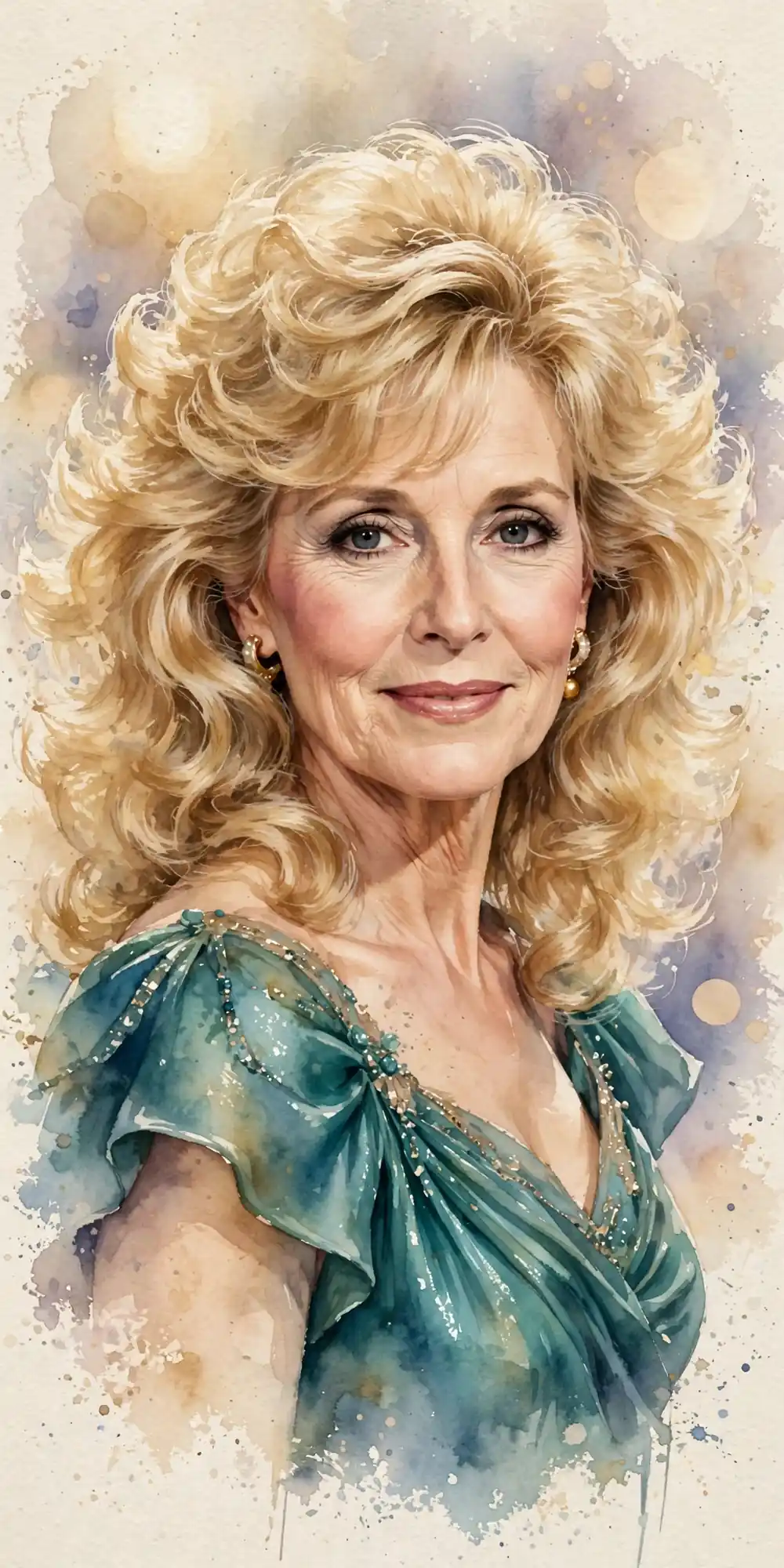
Heather Locklear is one of the defining television stars of the 1980s and 1990s, a performer whose face became shorthand for prime-time glamour. From Dynasty to Melrose Place to Spin City, she headlined the biggest soaps and sitcoms of her era, earning six Golden Globe nominations along the way. Yet her story is about more than hit shows; it is about longevity, reinvention, and a very public fight to rebuild her life.
Few actresses have stayed relevant across four decades of television, moving from soap villain to sitcom star to podcast host. Her career has had extraordinary highs and difficult lows, and she has faced both in the full glare of publicity. That resilience is a big part of why audiences still root for her today.
Table of Contents
Heather Locklear belongs to a small group of actors who defined prime-time television for an entire generation. Her characters were quoted, imitated, and argued about, and reruns still find new viewers. That kind of staying power is not an accident; it comes from talent, timing, and hard work.
Growing Up in Thousand Oaks

Heather Locklear was born Heather Deen Locklear on September 25, 1961, in Los Angeles, California. She was the youngest of four children, with siblings Laurie, Mark, and Colleen. Her father, William Robert Locklear, was an administrator at the University of California, Los Angeles, and a former colonel in the United States Marine Corps. Her mother, Diane, worked as a production executive.
She was raised in Thousand Oaks, California, and graduated from Newbury Park High School. It was a comfortable, suburban upbringing, a world away from the television studios where she would later spend her working life. Friends from school remember a bright, outgoing girl with striking looks and a quick sense of humour.
She has spoken of Lumbee ancestry, a Native American heritage she is proud of, and she has been listed among notable Lumbee people. That background is part of her identity, though she has never made it a central part of her public image. It is simply one thread in a life that has taken many turns.
Heather Locklear has always spoken fondly of her California childhood, and Thousand Oaks remains part of her story. The suburban roots, far from Hollywood’s glare, gave her a grounded start that friends say she has never lost, even at the height of her fame.
After school, Heather Locklear went on to attend UCLA, her father’s university. She pledged the sororities Chi Omega and Delta Delta Delta, though she was never initiated into either. University, as it turned out, was a brief stop. The pull of modelling and acting proved stronger than lectures, and she left before graduating to try her luck in show business.
From UCLA to Dynasty
Heather Locklear landed her first major television role as Sammy Jo Carrington on Dynasty, the blockbuster prime-time soap, appearing from 1981 to 1989. It was her breakthrough, and it began a long collaboration with producer Aaron Spelling, the man behind many of television’s biggest hits. She played the scheming, glamorous Sammy Jo with exactly the right mix of charm and mischief.
Dynasty was a phenomenon, one of the most-watched shows in America, and being part of it made her famous almost overnight. The shoulder pads, the catfights, and the cliffhangers were the stuff of water-cooler conversation, and she was right at the centre of it. For a young actress fresh out of UCLA, it was a remarkable start.
The role also taught her the discipline of long-running television: learning lines fast, hitting marks, and staying consistent over years of episodes. Soap acting is harder than it looks, and she proved she could handle it. Producers noticed, and so did audiences, who loved to hate Sammy Jo and then, gradually, loved her outright.
Heather Locklear worked with Aaron Spelling again and again after Dynasty, a sign of the trust between them. Spelling, who built an empire on prime-time soaps, knew she could deliver ratings and headlines, and she knew his sets were where stars were made. It was a partnership that shaped both of their careers.
Her time on Dynasty established a pattern that would define her career. She joined hit shows, made her character indispensable, and stayed for years. It is a skill few actors possess, and it made her one of the most in-demand television actresses of her generation.
T.J. Hooker and Double Duty
Heather Locklear pulled off a rare television feat in the 1980s: she starred in two hit shows at the same time. While playing Sammy Jo on Dynasty, she also played Officer Stacy Sheridan on T.J. Hooker, the police drama starring William Shatner, from 1982 to 1986. Juggling two series schedules was exhausting, but she did it without missing a beat.
T.J. Hooker gave her a very different role: a capable, principled police officer, a world away from the scheming of Dynasty. It showed audiences, and casting directors, that she was not just a soap villain. She could carry action scenes, play authority figures, and hold her own alongside a television legend like Shatner.
The double workload also proved her work ethic. Two sets, two characters, two production teams, and a schedule that left little room for rest. She handled it with the professionalism that became her trademark, and both shows benefited. It was the kind of feat that earns respect inside the industry, even if viewers never see the effort behind it.
When T.J. Hooker ended, she continued on Dynasty until 1989, by which time she was a household name. She had spent most of the decade on prime-time television, and she had done it as two different characters. Few performers can say that, and it set her up for the role that would define the next decade.
Heather Locklear closed the 1980s as one of television’s most recognisable faces, and the decade had taught her how to handle fame. She knew the press, the fans, and the pressure, and she carried those lessons into the 1990s, where her biggest role was still waiting.
Amanda Woodward and Melrose Place

Heather Locklear joined Melrose Place in 1993 as Amanda Woodward, and the show was never the same again. Amanda, a ruthless advertising executive with a sharp tongue and a complicated heart, became the centre of the series, and ratings climbed as her storylines grew wilder. She played the role until 1999, and it remains her most iconic character.
Amanda Woodward was a gift of a part: funny, fierce, vulnerable, and always quotable. She delivered lines that became catchphrases, and she anchored a show that defined 1990s television. The character was so popular that producers built entire seasons around her, and audiences tuned in to see what Amanda would do next.
The role brought her four consecutive Golden Globe nominations for Best Actress in a Television Series Drama, from 1994 to 1997. It was a remarkable run of recognition, and it confirmed what viewers already knew: she was not just a soap star, but a genuinely skilled comic and dramatic actress. The nominations remain a proud part of her record.
She also served as a producer on the show at times, a sign of how central she had become. Melrose Place without Amanda was unthinkable, and she knew it, but she never coasted. She kept finding new layers in the character, which is why Amanda stayed fresh across six years and hundreds of episodes.
Heather Locklear has said little about Amanda in interviews over the years, preferring to let the character speak for itself. That restraint only added to the mystique, and fans still debate their favourite Amanda moments online. Few television characters inspire that kind of lasting devotion.
Spin City and a Second Act
Heather Locklear joined Spin City in 1999 as Caitlin Moore, the no-nonsense campaign manager brought in to steady the fictional mayor’s office. The sitcom, starring Michael J. Fox, was a very different world from Melrose Place, and she adapted to comedy timing with ease. She stayed with the show until 2002, earning two more Golden Globe nominations, this time for Best Actress in a Television Series Musical or Comedy.
The move to comedy surprised some people, but it shouldn’t have. Her Amanda Woodward had always been funny, and Spin City let that comedy take centre stage. Caitlin was sharp, capable, and romantic, and she gave the show a new energy just when it needed it. Critics praised her timing, and audiences welcomed her.
Heather Locklear joined Spin City at a time when the show was changing, and her arrival helped steady it. Working in sitcom comedy, with its live audiences and rapid-fire timing, was a new challenge, and she met it the way she met every challenge: with preparation, professionalism, and humour.
After Spin City, she continued working steadily, with a recurring role on the TV Land sitcom Hot in Cleveland and a main role on the TNT drama-comedy Franklin and Bash in 2013. She also returned to Melrose Place in 2009, reprising Amanda Woodward for the show’s revival, a treat for longtime fans.
Her film work, meanwhile, included the science-fiction thriller Firestarter in 1984, the action comedy Money Talks in 1997, the live-action and animated comedy Looney Tunes: Back in Action in 2003, and the romantic comedy The Perfect Man in 2005. None of these films defined her the way television did, but they showed her range, and her willingness to try different genres.
Marriages, Motherhood, and Ava

Heather Locklear married Mötley Crüe drummer Tommy Lee in 1986, and the marriage lasted until their divorce in 1993. It was a high-profile rock-and-roll union, and it made her a tabloid fixture. She has rarely discussed the details, but the relationship’s end was widely reported at the time, with Lee’s behaviour cited as a factor.
In 1994, she married Bon Jovi guitarist Richie Sambora, and the couple had one daughter, Ava Sambora, born in 1997. Ava has grown up to become an actress and model in her own right, appearing in films such as This Is 40. The mother-daughter bond is close, and the two are often photographed together at events.
Heather Locklear and Sambora divorced in 2007, after thirteen years of marriage, and they have worked to keep their relationship civil for their daughter’s sake. In recent years, the family has appeared together at milestones, including Ava’s wedding, where both parents were present. It is a modern family arrangement, handled with grace.
Motherhood, by all accounts, has always been her proudest role. She has spoken about wanting Ava to have a normal life despite growing up with famous parents, and she has guarded her daughter’s privacy while supporting her ambitions. That balance, familiar to many celebrity parents, is one she has managed with care.
Heather Locklear has cheered on her daughter’s acting and modelling work without pushing her into it, and Ava has credited her mother’s support. It is a relationship built on encouragement rather than pressure, and it shows in how confidently Ava carries herself in public.
Hard Years and a Comeback
Heather Locklear has faced well-documented personal struggles, and she has never hidden from that fact. In September 2008, she was arrested for driving under the influence, and she later sought treatment for anxiety and depression. A decade later, in 2018, she faced further arrests and hospitalisations, and her troubles were reported around the world.
Those years were painful, and they cost her work and privacy. But they also showed a different side of her: a willingness to seek help, and to keep going. In 2020, she marked one year of sobriety with a heartfelt post on Instagram, thanking supporters and reflecting on how far she had come. Fans responded with an outpouring of encouragement.
Her comeback has been gradual and, by choice, quieter than her earlier fame. She has taken roles selectively, focused on her health, and spent time with family. The woman who once dominated prime time now values peace, and there is something admirable about that shift. Survival, after all, is its own kind of success.
Heather Locklear has often thanked her fans for sticking with her through the hard years, and that gratitude feels genuine. Supporters who grew up watching her shows have followed her into adulthood, and many say her honesty about recovery helped them face their own struggles.
For readers who want the career facts in one place, the Wikipedia page for Heather Locklear covers her roles from Dynasty through Spin City, her six Golden Globe nominations, and her film work. It is a useful reference for a career that spans more than forty years.
Life Today and a New Chapter
Heather Locklear has found a new creative outlet in podcasting. Since 2025, she has hosted a podcast called WDYW, short for What Do You Want, alongside talent agent Gillian Barbary and nurse Melanie Mancil. The show features honest conversations about health, relationships, and life, and it suits her direct, warm style.
The podcast is a smart move for this stage of her life. It lets her connect with audiences without the demands of a television schedule, and it gives her a platform to talk about the subjects she cares about. Listeners say they appreciate her candour, and the show has found a loyal audience.
Her personal life, too, has turned a happier page. In 2026, she has been reported to be dating actor Lorenzo Lamas, and she attended her daughter Ava’s wedding with both Lamas and her ex-husband Richie Sambora present. It is a picture of a family at ease with itself, and fans were delighted to see it.
When it comes to money, it is worth being honest: no verified net worth figure for her has been published by a reliable source. Gossip sites quote various estimates, but they disagree and none of them is verified. What is certain is that she earned well across decades of hit television, and that she lives comfortably.
Heather Locklear remains, above all, a survivor and a star. She gave television some of its most memorable characters, survived its toughest pressures, and came out the other side with her humour and her family intact. From Sammy Jo to Amanda to Caitlin, and now to podcast host, she has reinvented herself again and again. That staying power is rare, and it is why her story still matters.

Behind a Miss Universe crown, a reality television family and a Rhode Island restaurant story stands a musician whose own training and discipline helped shape everything that followed, and the story of Susan Culpo deserves to be told in her own right. She is best known to the public as the mother of Olivia Culpo, Miss USA and Miss Universe 2012, but before that fame she was already a classically trained viola player, performing with respected orchestras and bringing music into a home where five children grew up hearing practice, rehearsal and performance as part of everyday life. Her influence is quieter than a pageant win, yet it runs through the family’s story in a lasting way.
What draws readers to Susan Culpo is the contrast between her serious musical background and her light-hearted television presence, since she appears on screen as a warm, funny mother who cheerfully admits she does not understand the modern world of influencing. That humour hides years of practice, because classical music demands patience, precision and long hours, qualities she passed on to her children whether they became musicians, models or business owners. She is not a celebrity chasing attention, but a mother and musician whose family happened to become famous, and that grounded quality is part of why audiences like her.
Table of Contents
The family at the centre of the story of Susan Culpo includes her husband Peter, a Rhode Island restaurateur, and their five children, Pete, Aurora, Olivia, Gus and Sophia, raised in Cranston, Rhode Island. Olivia, the middle child, became the most famous, but the family story is shared, shaped by music lessons, long meals, church and community life, and by parents who encouraged each child to follow a different path while staying close. It is that home, rather than any single television appearance, that explains why the Culpo name still feels familiar to so many readers.
A Musical Education and Early Training
The early musical life of Susan Culpo, whose maiden name is reported as Curran, began with serious classical training, and Classic FM has reported that she studied under the legendary conductor Leonard Bernstein. Training with a figure of Bernstein’s stature would have been demanding in every way, requiring not only technical skill on the viola, but also musical understanding, stamina and the ability to take direction from a conductor known for high standards. Whether readers know Bernstein’s work or not, the detail gives a sense of the level at which she was working as a young musician, far beyond casual school lessons or hobby playing.
As a young player, Susan Culpo performed with groups including the Boston Symphony and the Rhode Island Philharmonic Orchestra, according to profiles of the family, and those orchestras represent the professional world of classical music in New England. Playing in an orchestra is a team discipline, because each musician must listen, blend and follow a conductor while still playing with individual expression, and it teaches humility as well as skill. The viola itself is often described as the middle voice of the string family, warm and rich rather than showy, and that role suits a musician who values ensemble over solo spotlight, a trait that later showed in her family life as well.

College orchestra life also brought Susan Culpo together with her future husband, Peter, a meeting that has been repeated in many profiles and that gives their family story a romantic, musical beginning. They met while playing in a college orchestra, he as a young man who would later become a restaurateur, she as a viola player already committed to music, and their shared love of performance gave them a common language from the start. It is a fitting origin for a family in which music would remain central, because the couple’s first connection was not fame or business, but rehearsal rooms, sheet music and the discipline of playing together.
Performing With Orchestras in New England
The professional music career of Susan Culpo centred on New England orchestras, where she played viola in ensembles that serve both concert audiences and local communities. The Boston Symphony connection, reported in family profiles, places her in one of America’s most respected orchestral traditions, while the Rhode Island Philharmonic Orchestra links her to her home state and to the musical life of Providence and Cranston. Those two worlds, a major Boston institution and a Rhode Island community orchestra, show a musician who could work at a high level while staying rooted in the place where she raised her family.
Playing classical music professionally also shaped how Susan Culpo approached motherhood, because orchestral life teaches planning, practice and patience, all of which transfer directly to raising children. A musician knows that progress comes from daily work rather than sudden inspiration, that a difficult passage must be practised slowly before it can be played quickly, and that a performance depends on everyone doing their part. Those lessons, learned in rehearsal rooms, later helped her guide five children through music lessons, school, sports and, eventually, public careers, without losing the calm that ensemble playing requires.

Some profiles describe Susan Culpo as a violinist rather than a viola player, and that variation is worth noting honestly, because public reporting on private musicians is not always precise about instruments. The most detailed music reporting, including Classic FM and Nicki Swift, identifies her as a viola player, and that is the description used here, while acknowledging that other summaries use the more general term musician or violinist. What is not in doubt is that she was a professional, classically trained string player, and that music was her profession before her children became famous, not a hobby adopted later for television.
Music Lessons That Shaped a Family
The practice routine that Susan Culpo brought into her home was, by all accounts, steady rather than dramatic, because classical training teaches that small, regular effort matters more than occasional bursts of enthusiasm. Children were encouraged to practise, to listen to recordings, and to attend concerts, not as punishment, but as part of a household where music was simply what people did. That routine gave them a sense of structure that carried into school and later work, even for children who did not become professional musicians, because they learned early that talent without practice fades quickly, while steady work builds confidence over time.
That approach also meant that Susan Culpo could support her children without pushing them into her own career, since she understood from experience that a child must find personal meaning in an instrument or a subject to stay with it. Olivia’s cello playing, for example, was serious and sustained, yet her mother did not insist that she become an orchestral player, and that freedom allowed Olivia to carry musical discipline into modelling, acting and business instead. In that sense, music lessons were less about producing another viola player, and more about teaching focus, listening and resilience, skills that serve any adult life, whether on stage, on camera or in a restaurant.
Raising Five Children in a Musical Home
The home that Susan Culpo built with Peter in Cranston’s Edgewood neighbourhood was, by many accounts, a musical one, with instruments, lessons and concerts woven into family life. Olivia began studying the cello in second grade and went on to play with the Rhode Island Philharmonic Youth Orchestra, the Rhode Island Philharmonic Chamber Ensemble and the Boston Accompanietta, among others, a path that began at home with a mother who understood practice. Other children pursued their own interests, but all grew up in a house where creativity was taken seriously, where showing up for rehearsal mattered, and where family meals and music were both treated as daily rituals rather than special occasions.
As a mother, Susan Culpo balanced that musical discipline with warmth, and profiles of the family often describe a close, Italian-Irish household where faith, food and humour mattered as much as achievement. She has Irish ancestry as well as Italian roots through marriage, and that heritage, combined with Rhode Island community life, gave her children a strong sense of identity before fame arrived. Raising five children is demanding in any circumstances, and doing so while maintaining a musical life and supporting a husband’s restaurant business required organisation, energy and a willingness to put family needs first, qualities that her children have publicly praised.
The Culpo Sisters and Life on Television
Television introduced Susan Culpo to a much wider audience in 2022, when she appeared with Peter in The Culpo Sisters, the TLC reality series following Olivia, Aurora and Sophia. In the show she played herself with humour and directness, famously saying, with Peter, that they did not know what an influencer was and were not influenced by it, a line that became one of the series’ most quoted moments. Viewers responded because she did not pretend to understand a world she had not grown up in, and because her confusion was affectionate rather than critical, showing a mother who loved her daughters while remaining honestly herself.
Appearing on reality television can be uncomfortable for a private person, but Susan Culpo treated filming as family time rather than as a bid for personal fame, and she did not use the show to launch a separate public career. She remained, in public reporting, a mother and musician first, appearing at family events, supporting her daughters’ work, and returning to Rhode Island life between filming. That restraint is consistent with her orchestral background, where the ensemble matters more than the individual, and it helps explain why audiences found her refreshing in a genre often criticised for self-promotion.
A Mother to Olivia and Her Sisters and Brothers
The relationship between Susan Culpo and her daughter Olivia is often described as close, supportive and musical, because Olivia’s cello training gave mother and daughter a shared language long before pageants. Olivia has spoken about growing up surrounded by music, with her mother as a professional player and her grandfather John Culpo as a world-class accordion player who performed at Carnegie Hall, according to Classic FM. That lineage, from grandfather to mother to daughter, shows music as a family inheritance, even though Olivia later chose modelling and acting over a full-time orchestral career, and it gives her pageant success a deeper backstory than beauty alone.
It is important not to confuse Susan Culpo with Olivia’s sisters, Aurora and Sophia, who are her daughters and who starred alongside Olivia in The Culpo Sisters, because Susan is the mother of all three, as well as of Pete and Gus. Aurora and Sophia have built their own influencing and business careers, and their mother has supported them publicly while keeping her own identity separate from theirs. That distinction matters for readers, because the Culpo family includes several public women, and Susan’s role is that of the musician mother who raised them, not a sister or peer competing for the same spotlight.

Grandmotherhood has added a new chapter for Susan Culpo, since Olivia married NFL player Christian McCaffrey in June 2024 and welcomed a daughter, Colette, in July 2025, according to contemporary reporting. Becoming a grandmother while still supporting adult children is a familiar milestone, and for a woman whose life has centred on family and music, it represents continuity rather than change. She remains the steady presence at family gatherings, the person who understands both the discipline of practice and the joy of celebration, and whose influence is now felt in a third generation.
What We Know, and What We Do Not Claim
For readers who want to follow the next generation, Olivia Culpo, the daughter of Susan Culpo, has her own story, from Miss Universe 2012 to modelling, acting and business, and her mother’s musical influence runs quietly through it. The link is not only about fame, but about values learned at home: practise daily, listen to others, show up for rehearsal and for family, and do not mistake attention for achievement. Those values are visible in Olivia’s own work ethic, in her restaurant partnership with her father, and in the close family bonds that television viewers saw in The Culpo Sisters.
It is also important to be honest about the limits of public information on Susan Culpo, because no reliable, verified net worth figure or birth date is presented here, and she has not published a personal biography with those details. She is a private musician who became known through her children, so the solid facts are her viola playing, her orchestral work, her marriage to Peter, her five children, and her television appearances with them. Readers who want background on the family can also consult Olivia Culpo’s Wikipedia page, which records her pageant wins and family details, while remembering that a mother’s story is best told through her own training and her family, not through guesswork.
In the end, the appeal of Susan Culpo lies in that balance between discipline and warmth, between concert halls in Boston and Rhode Island and family kitchens in Cranston, and between a private musician and a very public family. She trained seriously, played professionally, met her husband in an orchestra, raised five children in a musical home, and then, with humour, allowed television audiences to meet the mother behind the famous daughters. For readers in New England, she is a familiar local figure; for readers elsewhere, she is a reminder that behind every famous face there is often a parent who practised, listened, and kept the family in tune.

Lisa Moorish: 7 Amazing Facts About the Incredible Model and Mother

Heather Locklear: 7 Amazing Facts About the Incredible Television Star

Susan Culpo: 7 Amazing Facts About the Incredible Mother and Musician

The Untold Story of Pamela Schein Murphy: Life with Chef Marc Murphy

Where to Buy the Best Cheata Online

5StarsStocks.com Military: The Future of Strategic Military Investments
-

 Celebrity4 hours ago
Sophia Stallone: 7 Amazing Facts About the Incredible Model and Podcaster
-

 Celebrity5 hours ago
Patsy Kensit: 7 Amazing Facts About the Incredible Actress and Singer
-

 Celebrity4 hours ago
Eric Roberts: 7 Amazing Facts About the Incredible Actor and Father
-

 Celebrity4 hours ago
Peter Culpo: 7 Amazing Facts About the Incredible Restaurateur and Father
-
 Celebrity4 hours ago
Susan Culpo: 7 Amazing Facts About the Incredible Mother and Musician
-

 Celebrity5 hours ago
Danielle Jonas: 7 Amazing Facts About the Incredible Entrepreneur and Wife
-
 Celebrity4 hours ago
Lisa Moorish: 7 Amazing Facts About the Incredible Model and Mother
-

 Celebrity4 hours ago
Danny Moder: 7 Amazing Facts About the Incredible Cinematographer
Pingback: Donna Kelce: 7 Amazing Facts About the Incredible Football Mom